Creative Ways to Use Gelatin in Your Kitchen

Discover the versatility of gelatin in your kitchen. From vibrant chilled desserts to unique molded creations, unlock the potential of these recipes.
Gelatin-based dishes have held a cherished spot in the landscape of American home cooking for generations. Celebrated for their remarkable flexibility and straightforward nature, these chilled treats provide a blank canvas for culinary innovation. Whether you are aiming to dazzle guests at a sophisticated dinner or simply desire a whimsical afternoon snack, these preparations can be adjusted to match any celebration or personal taste.
The inherent beauty of working with these mixtures is found in their remarkable range. From traditional fruit-forward blocks to intricate, multi-tiered confections, these items are easily customized using a variety of components and artistic touches. Their brilliant hues and delightful, resilient mouthfeel make them a favorite among both young and old alike, securing their status as a pantry staple.
Table of Contents
Understanding the Fundamentals of Gelatin Work
These culinary projects rely on gelatin, a substance derived from natural collagen, to create that signature wobbly consistency. Typically, flavored packets are dissolved into steaming liquid, then chilled until they transform into a firm yet pliable state. The beauty of this process is its accessibility; novice cooks find the basic techniques incredibly manageable, while experienced home chefs can push boundaries by incorporating elements like fresh fruit pieces, silken creams, or complex structural layers.
Beyond the realm of sweet courses, gelatin remains a versatile tool for savory artistry. These compositions, often utilized to suspend colorful garden vegetables or finely diced proteins, highlight the structural integrity of the ingredient. Whether crafting a sugary treat or a sophisticated savory centerpiece, the logic remains the same: the gelatin acts as a medium that binds various elements into a cohesive, aesthetically pleasing whole.
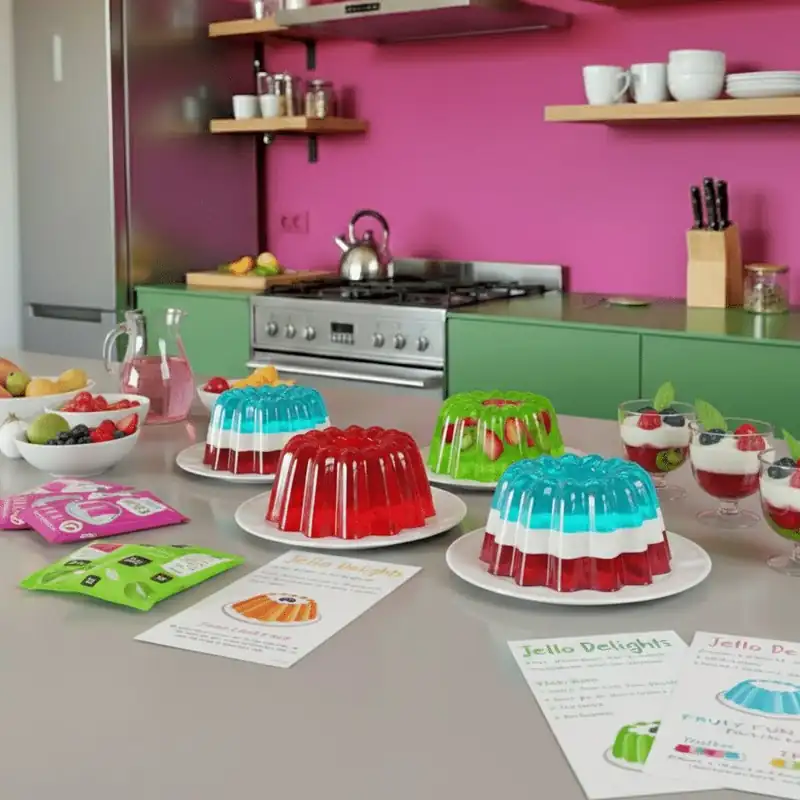
Cultural Significance and Timeless Appeal
There is a deep sense of tradition attached to these dishes within the United States. Many people associate them with fond memories of holiday banquets and lively family reunions. Because they are budget-friendly and easy to assemble in large batches, they have served as a consistent element of American hospitality for decades, representing a reliable form of comfort food.
The enduring popularity of these dishes stems from their ability to be modified to suit changing health needs or pantry inventories. For those watching their sugar intake, low-calorie variations provide a similar sensory experience without the added sweeteners. Furthermore, the act of designing these displays serves as a creative outlet, allowing home cooks to experiment with color palettes and flavor profiles, which strengthens the bond between the kitchen and the dining table.
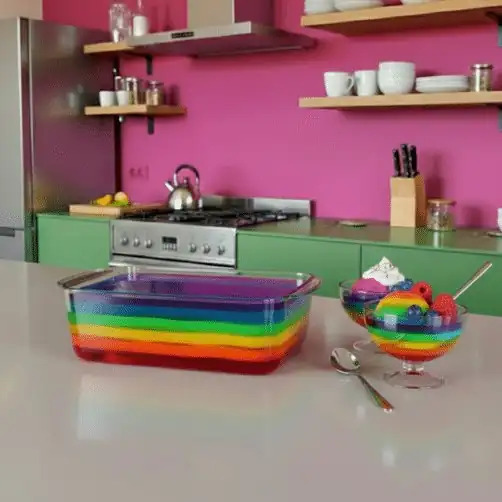
Exploring Varieties and Structural Designs
The range of possibilities is quite vast. A straightforward single-flavor mold remains the most iconic interpretation, frequently elevated by the inclusion of seasonal fruit or citrus slices to provide a burst of texture. These are perfect for those moments when you want a light, palate-cleansing finish to a heavy meal without spending hours in the kitchen.
For those seeking a bolder statement, multi-layered displays offer a visually striking alternative. By allowing each distinct level to firm up before adding the next—often incorporating a opaque, creamy stratum between fruit-tinted layers—one can produce a dessert that looks remarkably elegant. Even more unique are the savory molded structures that use herbs and vegetables to create a firm, sliceable dish, proving that this medium is far more adaptable than many realize.
Practical Applications for Every Gathering
Because these preparations are so easy to batch-prepare, they are an excellent solution for high-volume entertaining. Their vivid appearance immediately catches the eye, serving as an edible centerpiece that stays stable at room temperature for reasonable periods. This reliability makes them a high-value asset for hosts who need to manage their time effectively before guests arrive.