Slow Cooker Vegetable Soup: Step-by-Step Instructions
Recipe Variations
If you have seasonal produce on hand, feel free to swap the zucchini for summer squash or add a handful of corn kernels for a pop of sweetness. For a heartier version, stir in a cup of cooked quinoa or barley after the cooking cycle ends; the grains will absorb the broth and make the soup more filling. A dash of curry powder can transform the flavor profile into a warm, exotic stew, while still using the same base ingredients. Finally, for a creamy texture without dairy, blend in a quarter‑cup of canned coconut milk just before serving.
Serving Ideas
Serve the soup with a slice of toasted sourdough bread brushed with olive oil and a sprinkle of sea salt. A side salad of mixed greens, thinly sliced radishes, and a light vinaigrette adds a crisp contrast. For a complete meal, top each bowl with a spoonful of plain Greek yogurt or a drizzle of tahini, which adds richness and a subtle tang. If you’re feeding a crowd, set out a toppings bar with grated Parmesan, chopped fresh herbs, and crushed red pepper flakes so guests can personalize their bowls.
Keeping It Fresh
Store any leftovers in airtight containers within two hours of cooking. The soup keeps well in the refrigerator for up to four days; reheat gently on the stovetop over low heat, stirring occasionally to prevent scorching. For longer storage, freeze the soup in portion‑size containers; it retains flavor and texture for up to three months. When reheating from frozen, thaw overnight in the refrigerator and then warm on the stove, adding a splash of broth if the soup appears too thick.
Reader Questions Answered
Can I use fresh herbs instead of dried thyme?
Yes, substitute one tablespoon of fresh thyme leaves for the dried teaspoon; add them in the last five minutes of cooking to preserve their bright flavor.
Is it possible to make this soup vegan?
The recipe is already vegan, as it relies on vegetable broth and no animal products.
How do I store leftovers?
Cool the soup to room temperature, then refrigerate in an airtight container for up to four days or freeze for up to three months.
Can I add protein such as beans or chicken?
Absolutely; canned white beans or cooked shredded chicken can be stirred in after cooking for extra protein without altering the cooking time.
What if I don’t have a slow cooker?
Use a large pot on the stovetop; bring the broth to a boil, then reduce to a simmer and cook covered for 20‑25 minutes, checking for vegetable tenderness.
Wrapping Up
This slow‑cooker vegetable soup proves that wholesome meals don’t require complex techniques or exotic ingredients. By relying on pantry staples and fresh vegetables, you can create a nourishing bowl that feeds the family, fits a busy schedule, and adapts to what’s in season. Remember the key steps: sauté the aromatics, layer the vegetables, and let the slow cooker work its gentle magic. With the tips, variations, and storage advice provided, you’ll feel confident serving this soup again and again, whether for a quick lunch or a comforting dinner.
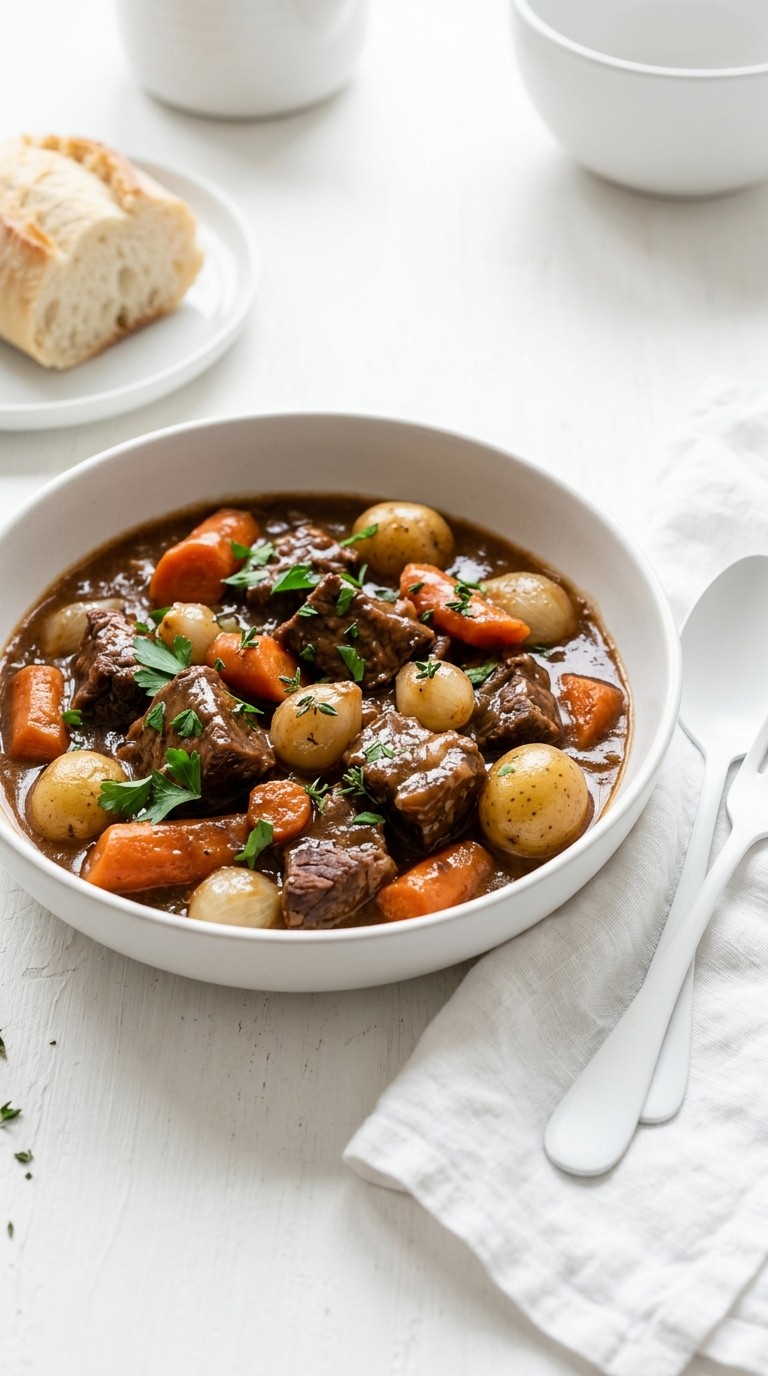
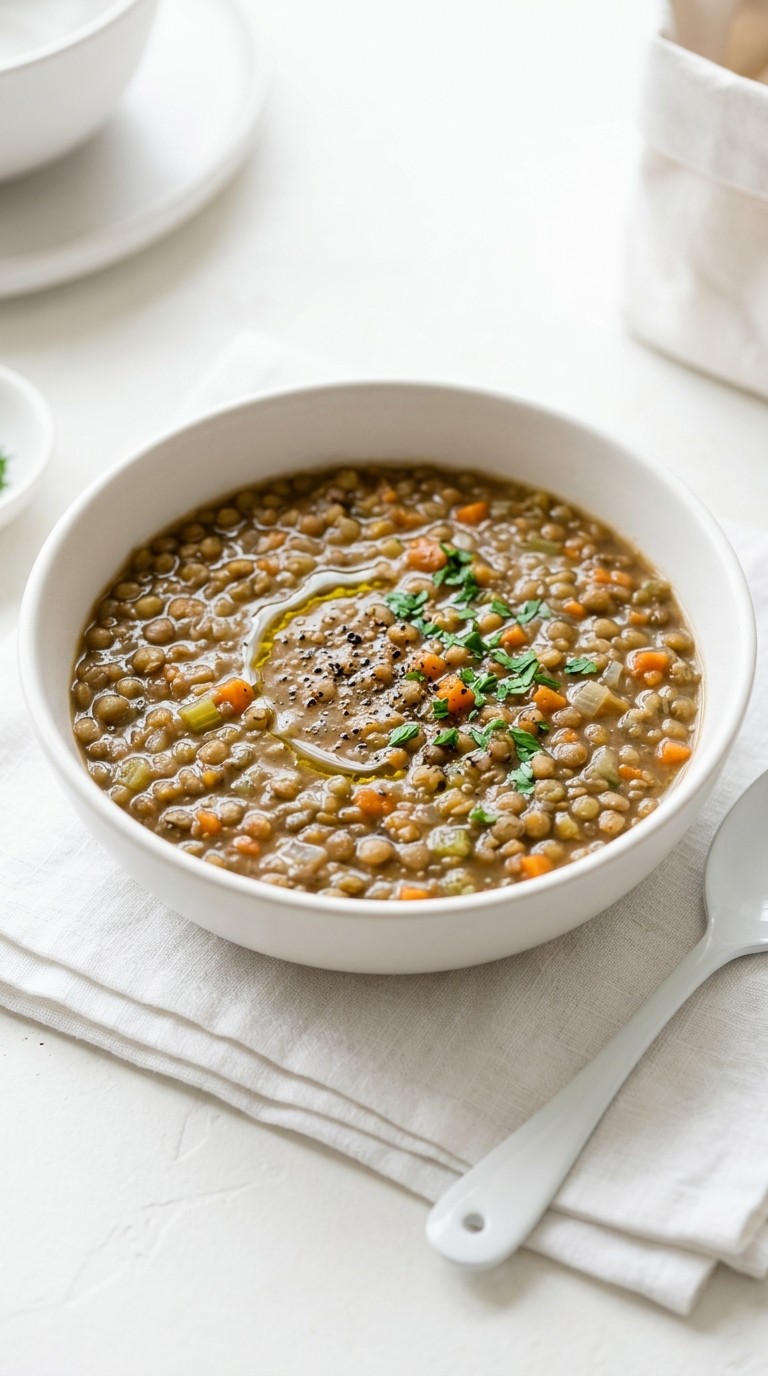
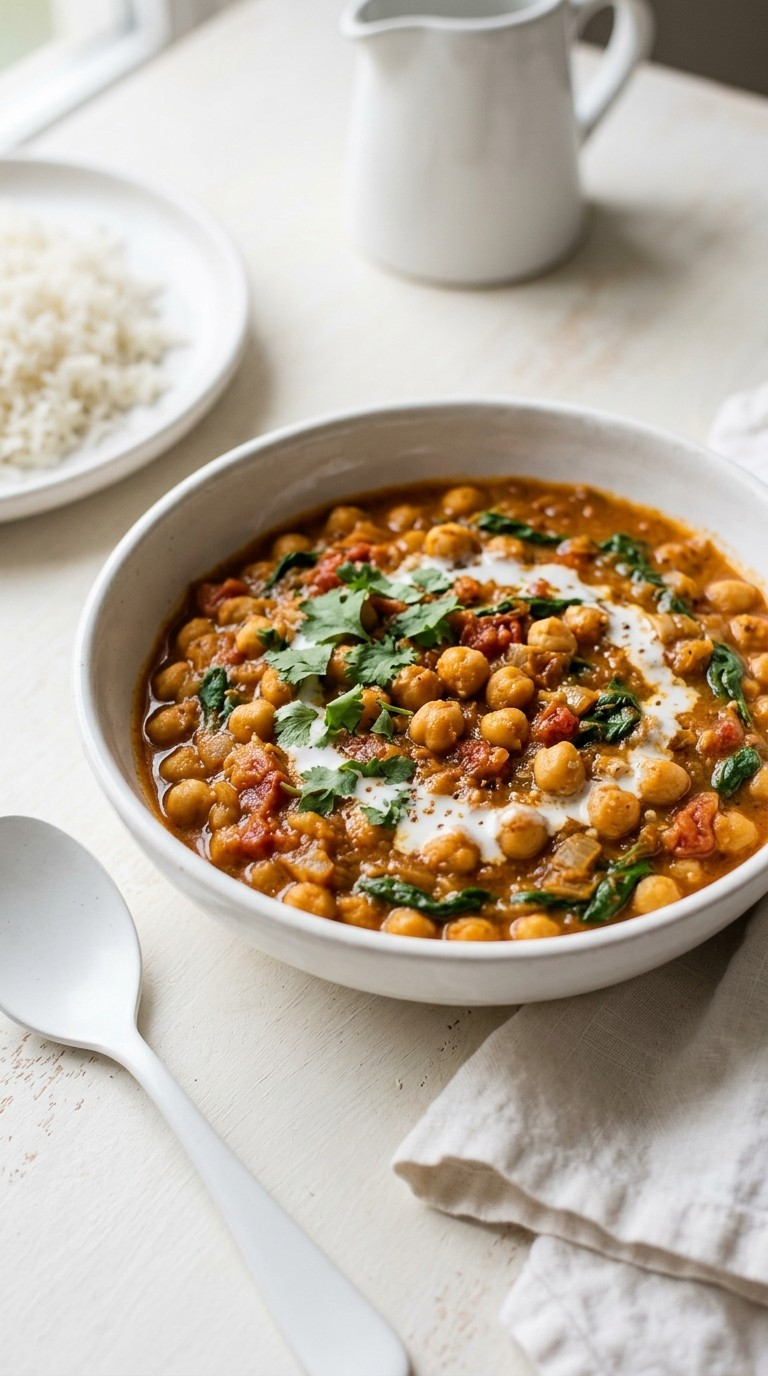
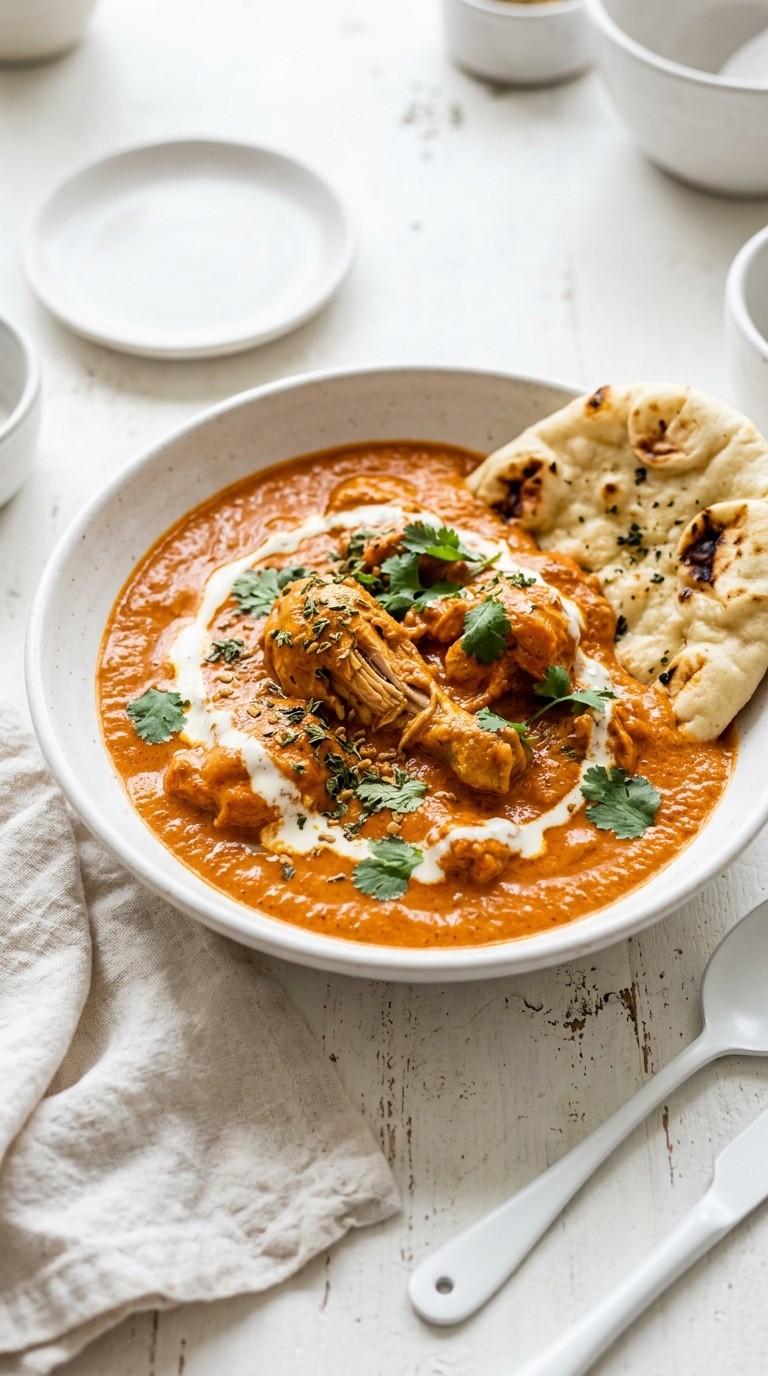
Related recipes: Slow Cooker Beef Stew, Slow Cooker Lentil Soup, Slow Cooker Chicken Tacos, Slow Cooker Chickpea Curry, Slow Cooker Butter Chicken.
Learn more: Vegetable on Wikipedia · food storage & safety (FoodSafety.gov).
◆ ◆ ◆
← Back to Slow Cooker Vegetable SoupGet new recipes
One tasty homemade recipe in your inbox each week. No spam, unsubscribe anytime.


Comments