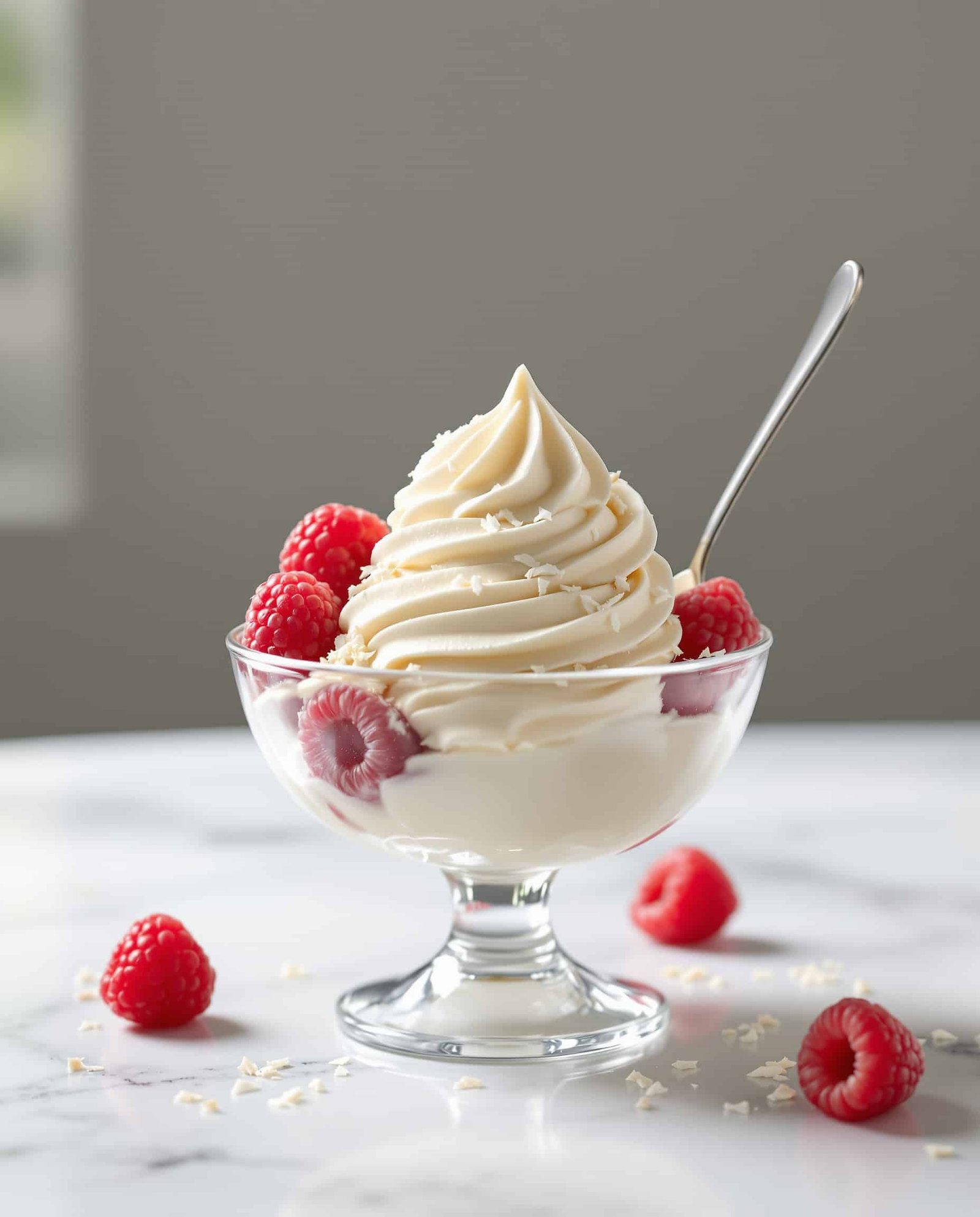
Let’s be honest, sticking to a weight loss plan often feels like a constant battle against cravings, especially for sweets. The problem, as I see it, isn’t a lack of willpower, but a lack of satisfying, science-backed alternatives that actually fit into a calorie deficit. You don’t need to completely cut out dessert; you just need to make smarter choices. That’s where this protein ice cream recipe comes in. It’s designed to be delicious, high in protein, and surprisingly low in calories, making it the perfect guilt-free treat. We’re not just making a recipe here; we’re giving you a tool to manage your cravings and support your weight loss journey without feeling deprived. This isn’t about magical fat loss; it’s about making sustainable choices.
| Prep Time | 5 minutes | Cook Time | 0 minutes |
| Servings | 1 | Calories | 230 kcal |
Ingredients
- 1 cup (240ml) unsweetened almond milk
- 1 scoop (approx. 30g) vanilla or chocolate protein powder (whey or plant-based)
- 1/2 cup (75g) frozen banana slices
- 1/4 cup (35g) frozen berries (e.g., strawberries, raspberries)
- 1/2 teaspoon vanilla extract (optional)
- 1/8 teaspoon xanthan gum (optional, for thicker texture)
- Sweetener to taste (e.g., stevia, erythritol, 1-2 drops liquid sucralose)
Recommended Tools You’ll Need
| Tool | Why You Need It |
|---|---|
| High-Speed Blender | Essential for achieving a smooth, creamy ice cream texture from frozen ingredients without chunks. |
| Rubber Spatula | Helps scrape down the sides of the blender to ensure all ingredients are incorporated evenly. |
| Measuring Cups and Spoons | Accuracy in ingredients ensures consistent results and precise nutritional tracking. |
| Airtight Container (for leftovers) | While best fresh, an airtight container helps minimize ice crystal formation if you must store it briefly. |
Instructions
- Combine unsweetened almond milk, protein powder, frozen banana, frozen berries, vanilla extract (if using), xanthan gum (if using), and sweetener in a high-speed blender.
- Blend on low speed first, using a tamper if your blender has one, to break down the frozen fruit.
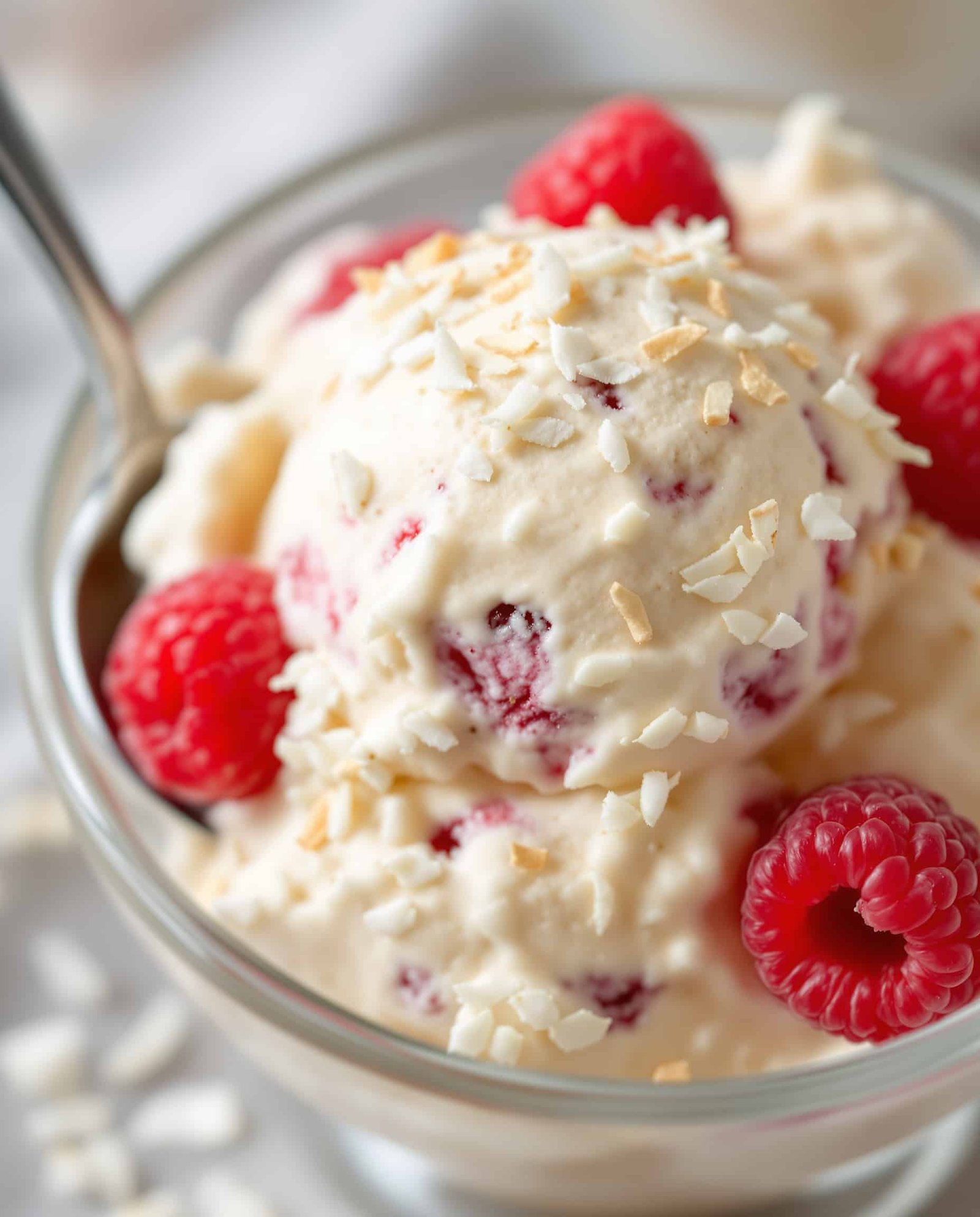
- Gradually increase speed to high, blending until the mixture is completely smooth and has the consistency of soft-serve ice cream. This might take 1-2 minutes.
- If the mixture is too thick, add a tiny splash (1 tablespoon) more almond milk. If it’s too thin, add a few more frozen berries or banana slices.
- Taste and adjust sweetness if desired.
- Serve immediately in a chilled bowl or glass. Enjoy your delicious, protein-packed dessert!
Calorie Reality
At approximately 230 calories, this protein ice cream fits comfortably within most typical daily calorie budgets (e.g., 1500-2000 kcal). For someone aiming for 1800 calories, this dessert would represent about 13% of their total intake, leaving plenty of room for balanced meals. It’s a strategic swap that allows for a sweet treat without derailing your progress, unlike many traditional desserts that can easily exceed 500-800 calories per serving.
About Your Daily Budget: Your Total Daily Energy Expenditure (TDEE) is the total number of calories your body burns in a day, including basal metabolism, activity, and digestion. To lose weight, you need to consistently consume fewer calories than your TDEE, creating a calorie deficit. This recipe helps you maintain that deficit.
Diet Compatibility
Compatible with: High-Protein Diets, Calorie-Controlled Diets, Vegetarian (with plant-based protein), Gluten-Free
Not compatible with: Keto Diet (due to fruit sugars), Strict Paleo (due to protein powder/dairy), Dairy-Free (unless using plant-based protein powder)
Warning: Mixing Diets: It’s tempting to cherry-pick elements from different diets, but mixing approaches without understanding the underlying principles can be counterproductive and even dangerous. For example, combining a high-fat keto approach with a high-carb, low-fat strategy can lead to excessive calorie intake and weight gain, as your body might struggle to efficiently switch between fuel sources. This can promote lipogenesis (fat storage) when excess carbs are consumed alongside high fat. Stick to one well-understood framework, or consult with a qualified professional to create a personalized plan.
Expert Tips
For the creamiest texture, ensure your banana and berries are solidly frozen. If your protein powder tends to clump, blend it with the almond milk first before adding the frozen fruit. Don’t be afraid to experiment with different protein powder flavors – chocolate, strawberry, or even unflavored with a touch of cocoa can be delicious. For weight loss, always measure your ingredients precisely. Eyeballing can lead to calorie creep, undoing your efforts. Consistency in measurement is as important as consistency in effort!
Macros Breakdown
This recipe is strategically high in protein, which is crucial for satiety and preserving muscle mass during weight loss. The carbs come primarily from the frozen fruit and almond milk, providing natural sugars and fiber. Fat content is kept low, making it a lean choice. This macro balance helps you feel full and satisfied, reducing the likelihood of overeating later, which is a key component of sustainable weight loss. Protein’s thermic effect also means your body burns slightly more calories digesting it.
Nutrition Information (per serving)
| Calories | Protein | Carbs | Fat | Fiber |
|---|---|---|---|---|
| 230 kcal | 25g | 28g | 4g | 5g |
Key Terms Explained
| Term | Explanation | Why it matters here |
|---|---|---|
| Calorie Deficit | Consuming fewer calories than your body burns, forcing it to use stored energy (fat) for fuel. | This recipe is designed to be low-calorie, helping you maintain a calorie deficit for weight loss. |
| Satiety | The feeling of fullness and satisfaction after eating, which helps control hunger. | High protein content in this ice cream boosts satiety, reducing cravings and overeating. |
| Thermic Effect of Food (TEF) | The energy expended by your body to digest, absorb, and metabolize food. | Protein has a higher TEF than carbs or fat, meaning you burn more calories just by digesting this protein-rich treat. |
| Lipogenesis | The metabolic process of synthesizing fatty acids and triglycerides, primarily for energy storage. | Understanding macro balance prevents excessive lipogenesis, especially when combining different diet principles incorrectly. |
The Truth About This Recipe
The Truth About This Recipe: While this protein ice cream is a fantastic tool for managing cravings and boosting protein intake, it is NOT a magic bullet for weight loss. No single food is. Weight loss comes down to consistent calorie deficit over time. This recipe helps you achieve that deficit by providing a satisfying, lower-calorie dessert option compared to traditional ice cream. It’s about smart swaps and understanding your total daily intake, not about ‘eating more to lose weight.’ Be realistic, be consistent, and track your overall intake. I’m not a doctor, but I’ve seen the science – consistency wins.
Move Your Body
Remember, nutrition is about 80% of the weight loss equation, but movement plays a vital role in overall health and boosting your TDEE. After enjoying this delicious 230-calorie treat, consider taking a brisk 30-minute walk. It’s a gentle way to contribute to your calorie deficit and support your metabolic health.
Delicious Variations
To make this keto-friendly, omit the banana and berries, and use a high-fat ingredient like a tablespoon of avocado or full-fat coconut cream, along with a keto-friendly sweetener and a low-carb protein powder. For a Mediterranean twist, use plain Greek yogurt instead of almond milk for extra protein and probiotics, and add a sprinkle of chopped pistachios. If you’re focusing on lower-carb, increase the frozen berries and reduce the banana, ensuring your chosen protein powder is also low in carbs.
Healthier Alternatives
Swap almond milk for unsweetened cashew milk (slightly creamier, similar calories) or water (cuts calories further, but less creamy). Use a mix of spinach or zucchini (blended first) with the fruit to add hidden vegetables and fiber without altering taste significantly, boosting nutrient density. Instead of artificial sweeteners, try a date or two (adds fiber and natural sweetness, but also more calories) — just be mindful of the calorie impact, as dates are calorie-dense. These swaps help by reducing calories, increasing fiber, or adding micronutrients.
Serving Suggestions
Enjoy this protein ice cream as is for a satisfying dessert or post-workout snack. You can sprinkle a few sugar-free chocolate chips (check ingredients for hidden sugars!), a tiny amount of unsweetened cocoa powder, or a dash of cinnamon. A small drizzle of sugar-free maple syrup or a few chopped nuts (watch the portion size, nuts are calorie-dense!) can also be nice. WARNING: Avoid adding high-calorie toppings like full-sugar sauces, whipped cream, or excessive amounts of high-sugar candy. That defeats the purpose of choosing this healthier alternative and can quickly turn a lean treat into a calorie bomb.
Storage Instructions
This protein ice cream is best enjoyed immediately for optimal soft-serve consistency. If you have leftovers, transfer them to an airtight container and freeze for up to 1-2 hours. Beyond that, it will become very hard due to the low fat content and high water content. If it freezes solid, let it thaw on the counter for 15-20 minutes or briefly blend it again with a splash of almond milk to regain a scoopable texture. I don’t recommend storing it for more than a day as the texture degrades significantly.
Frequently Asked Questions
Can I use any protein powder?
Yes, but the taste and texture can vary. Whey protein tends to be creamiest, while some plant-based proteins might be grittier. Choose a flavor you enjoy!
Is this protein ice cream good for weight loss?
Absolutely! It’s high in protein for satiety and relatively low in calories compared to traditional desserts, making it an excellent tool for managing cravings within a calorie deficit. Remember, consistency is key.
Why does my protein ice cream turn rock-hard in the freezer?
This is common with low-fat, high-water content recipes. Unlike traditional ice cream, there’s less fat to keep it soft. Xanthan gum helps slightly, but it’s best enjoyed fresh or after a short freeze time.
How much weight can I expect to lose with this recipe?
This recipe is a tool, not a weight loss program. Sustainable weight loss is typically 0.5-1 kg (1-2 lbs) per week and depends on your overall calorie deficit, diet, and activity. No single food ensures weight loss.
Can I prepare this in advance?
For the best soft-serve consistency, it’s ideal to prepare and consume immediately. If you must store it, freeze for an hour or two, then re-blend briefly if it becomes too firm.
Conclusion
There you have it – a delicious, satisfying, and scientifically sound way to enjoy dessert while on your weight loss journey. This protein ice cream isn’t about deprivation; it’s about smart, informed choices that empower you to reach your goals without feeling like you’re missing out. Remember, I’m not a doctor, but I am here to help you navigate the often-confusing world of nutrition with honesty and evidence. Focus on progress, not perfection. Understand your body, understand your food, and make choices that serve your long-term health. You’ve got this, and you deserve to enjoy the process!