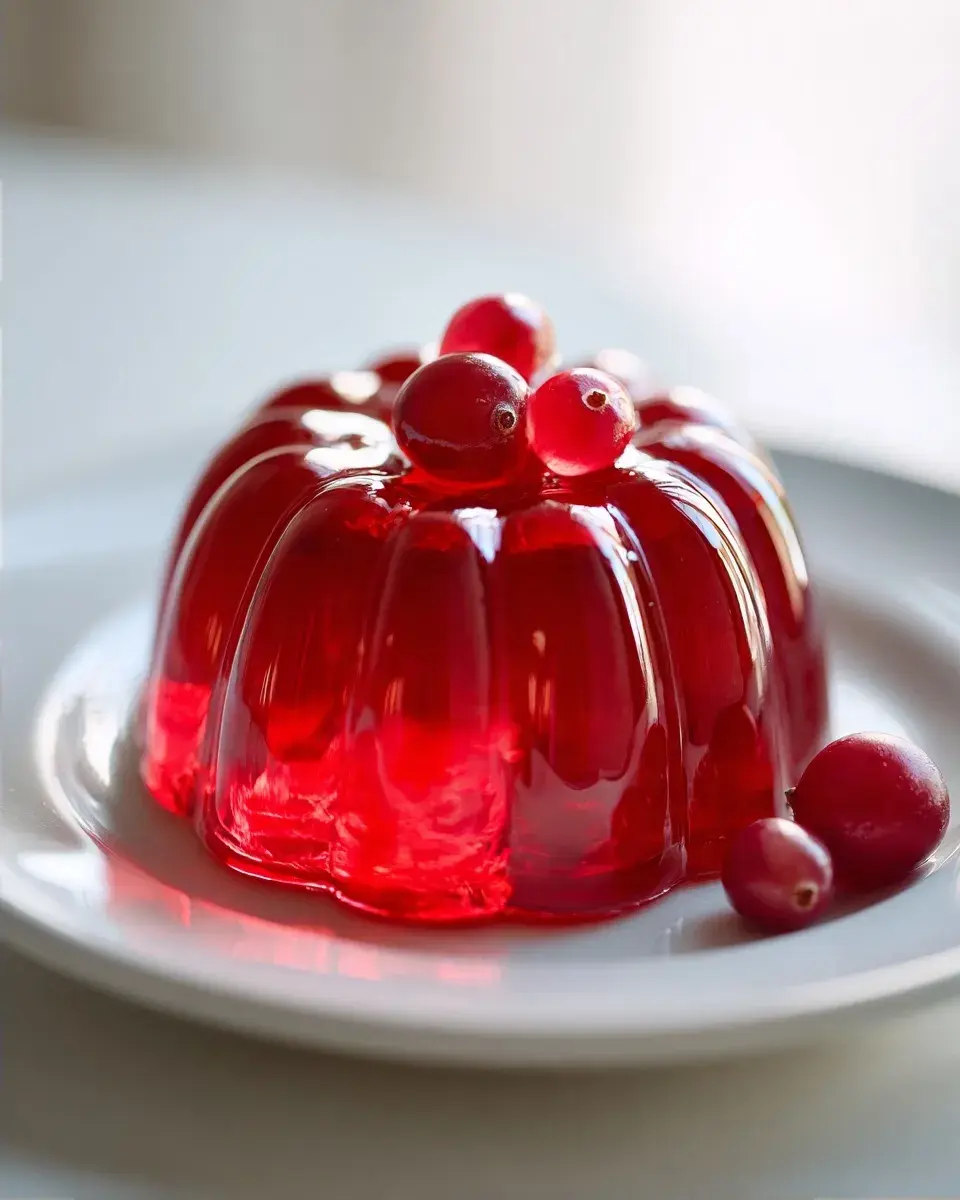
Let’s be honest: after bariatric surgery, getting enough protein and staying hydrated can be a real challenge. You need foods that are easy to digest, satisfying, and packed with the good stuff, without adding unnecessary calories or sugar. That’s where this bariatric gelatin recipe – inspired by the principles Dr. Jennifer Ashton often discusses – comes in. This isn’t just a jiggly treat; it’s a strategically designed, high-protein snack engineered to support your recovery and weight loss journey. We’re breaking down the science, not just giving you a recipe.
| Prep Time | 15 minutes | Cook Time | 0 minutes |
| Servings | 10 | Calories | 80 kcal |
Ingredients
- 2 scoops (approx. 40g) unflavored collagen peptides or protein powder (bariatric-friendly)
- 2 packets (approx. 14g total) unflavored gelatin powder
- 2 cups (480ml) cold water, divided
- 1/4 cup (60ml) sugar-free syrup (e.g., erythritol-based, or monk fruit blend)
- 1 tsp purple sweet potato powder OR blackberry powder (for natural purple color)
Recommended Tools You’ll Need
| Tool | Why You Need It |
|---|---|
| Silicone Portion Mold | Ensures consistent serving sizes, crucial for tracking intake after bariatric surgery, and makes for easy removal. |
| Whisk | Essential for fully dissolving gelatin and protein powder, preventing clumps for a smooth texture. |
| Small Saucepan | Ideal for gently heating the water to dissolve gelatin without scorching, which can weaken its setting power. |
| Airtight Storage Container | Keeps your protein cubes fresh, prevents absorption of fridge odors, and is perfect for meal prepping. |
Instructions
- In a medium-sized bowl, sprinkle both gelatin packets over 1 cup (240ml) of cold water. Let it ‘bloom’ for 5 minutes, allowing the gelatin to absorb the water and soften.
- While the gelatin blooms, in a separate small saucepan, heat the remaining 1 cup (240ml) of cold water over medium-low heat until it’s very warm but not boiling. You don’t want it scorching.
- Add the bloomed gelatin mixture to the warm water in the saucepan. Stir continuously until the gelatin is completely dissolved. This should only take a couple of minutes. Make sure there are no undissolved granules.
- Remove the saucepan from the heat. Stir in the protein powder/collagen peptides until fully dissolved. Whisk thoroughly to prevent clumps. If you have any stubborn clumps, you can strain the mixture through a fine-mesh sieve, but usually, a good whisk does the trick.
- Add the sugar-free syrup and the purple sweet potato powder (or blackberry powder) to the mixture. Stir well until the color is evenly distributed and you have a beautiful, deep violet hue.
- Carefully pour the liquid into a portioned silicone mold (like an ice cube tray or small square mold) or a shallow, rectangular dish for easy cutting later. Each portion should be roughly 1/4 cup.
- Place the mold or dish into the refrigerator for at least 4 hours, or preferably overnight, until the gelatin is fully set and firm.
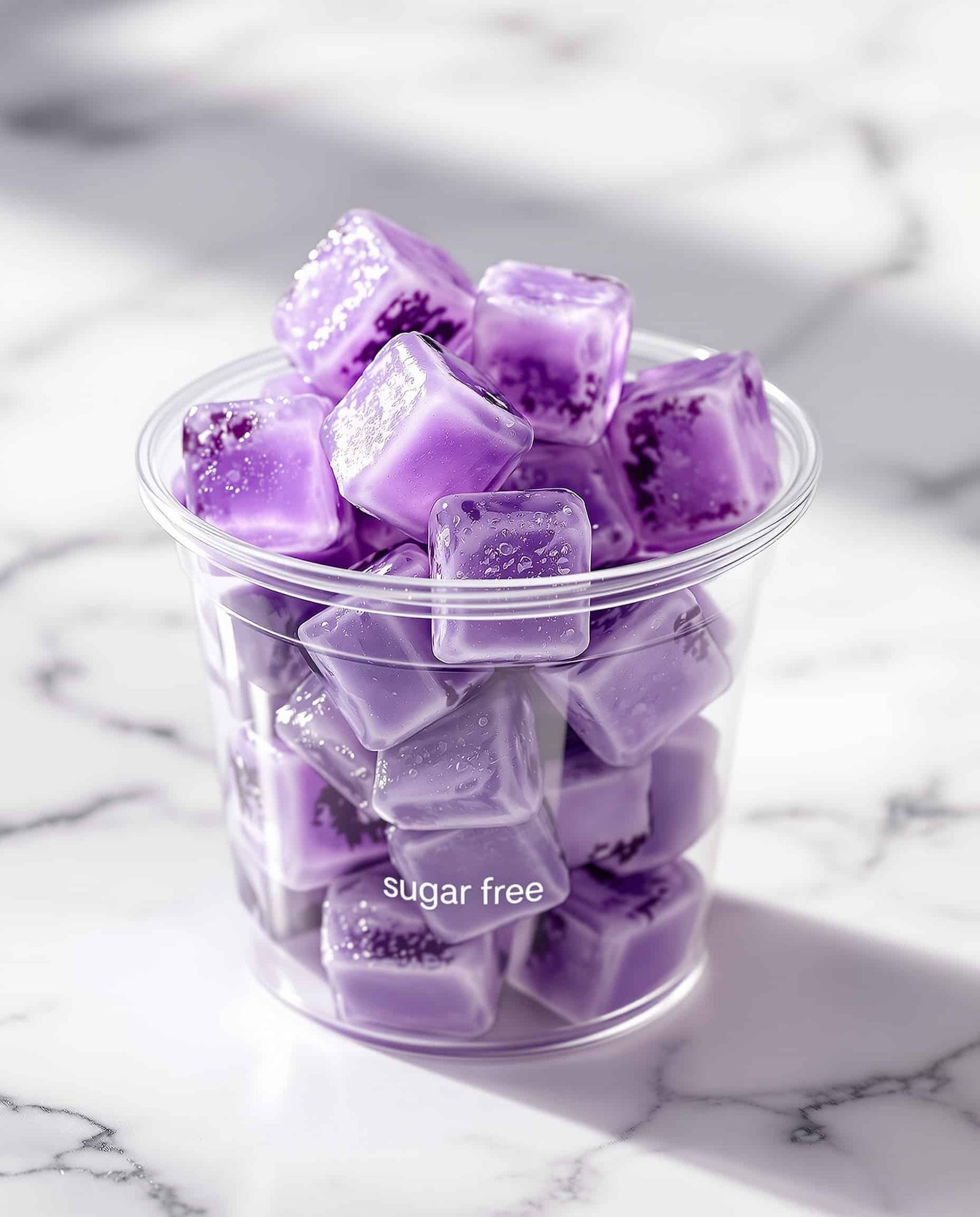
- Once set, gently pop out the violet pastel protein cubes or cut them into desired portion sizes. Store them in an airtight container in the fridge with a ‘sugar-free’ label.
Calorie Reality
At 80 calories per serving, these protein cubes are an excellent, low-impact snack. If you’re on a typical 1500-2000 kcal daily budget for weight loss, one serving represents less than 5% of your total intake. This leaves plenty of room for nutrient-dense meals and other essential foods, making it a sustainable choice for satiety without derailing your calorie goals.
About Your Daily Budget: Your Total Daily Energy Expenditure (TDEE) is the total calories your body burns in a day, including resting metabolism, physical activity, and food digestion. To lose weight, you generally need to consume fewer calories than your TDEE.
Diet Compatibility
Compatible with: Bariatric Diet (Post-Op), Keto, Low-Carb, Sugar-Free, Gluten-Free
Not compatible with: Vegan, Vegetarian (due to gelatin), Paleo (depending on protein powder source)
Warning: Mixing Diets: Attempting to combine vastly different diet approaches (e.g., trying to be both high-fat keto and very low-fat at the same time) can lead to nutritional imbalances and metabolic confusion. Your body is incredibly adaptive, but it thrives on consistency. Inconsistent fuel sources can disrupt processes like lipogenesis (the creation of fat), potentially hindering weight loss or even leading to gain, as your body struggles to efficiently process varying macronutrient ratios. Stick to one well-researched approach and give your body time to adjust.
Expert Tips
To maximize satiety, eat these cubes slowly and mindfully. Chewing (even soft foods) and savoring can signal to your brain that you’re eating, which can enhance the feeling of fullness. For weight loss, focus on consistency. Don’t just make these once; incorporate them into your weekly meal prep. Planning ahead is a superpower for managing calorie intake and ensuring you always have a healthy option readily available. Always check with your bariatric team regarding specific dietary recommendations.
Macros Breakdown
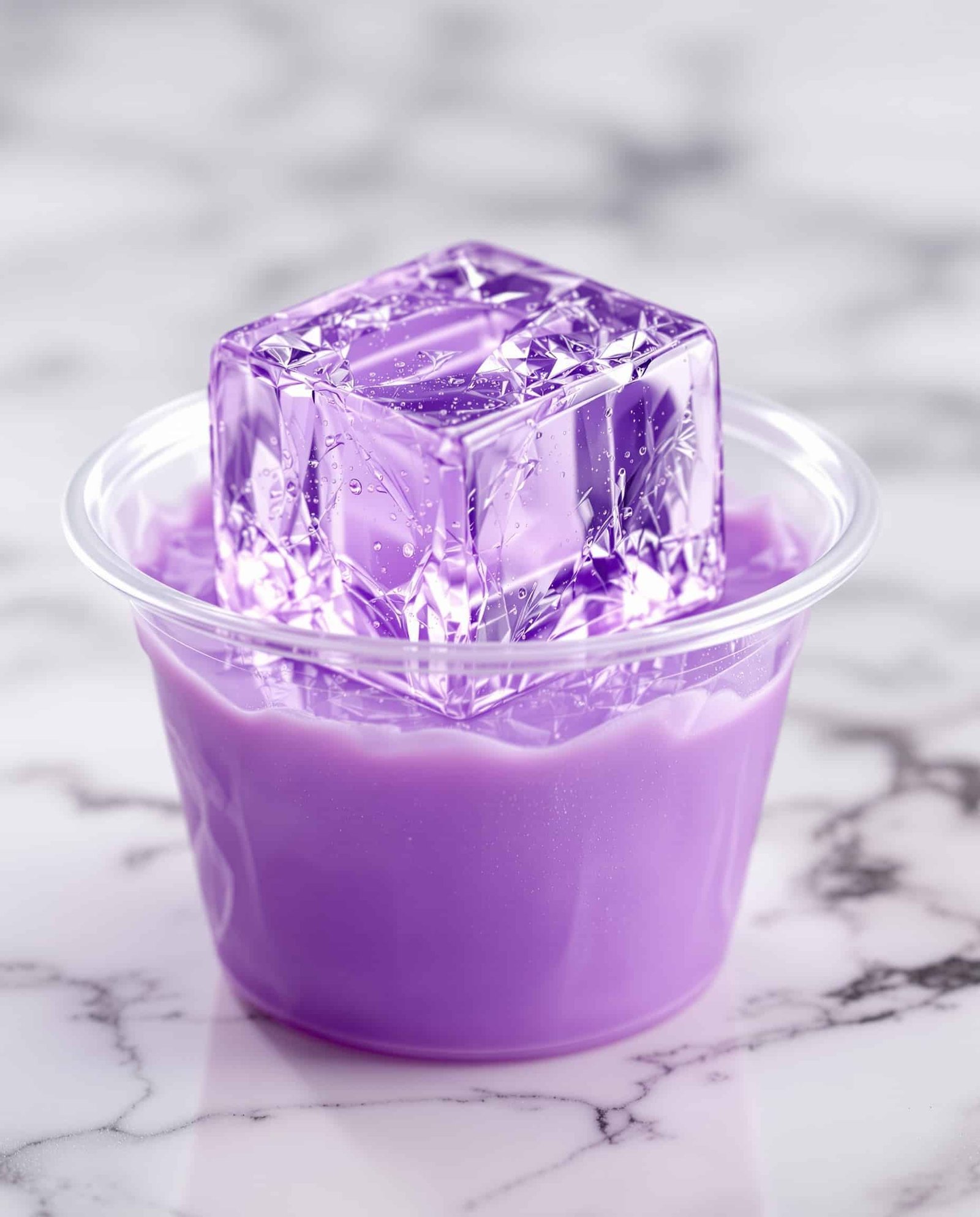
This recipe is a protein powerhouse with minimal carbs and virtually no fat. This macro profile is ideal for weight loss, especially post-bariatric surgery, as protein promotes satiety and helps preserve muscle mass in a calorie deficit. The low carb count helps manage blood sugar, while the absence of fat keeps calories down. It’s designed to fill you up without filling you out.
Nutrition Information (per serving)
| Calories | Protein | Carbs | Fat | Fiber |
|---|---|---|---|---|
| 80 kcal | 10g | 2g | -g | -g |
Key Terms Explained
| Term | Explanation | Why it matters here |
|---|---|---|
| Bariatric Surgery | Weight loss surgery that makes changes to your digestive system to help you lose weight by limiting food intake and/or nutrient absorption. | This recipe is designed to meet the specific nutritional needs of post-bariatric patients, focusing on protein and hydration. |
| Collagen Peptides | Small, easily digestible proteins derived from collagen, known for their role in connective tissue and skin health. | Provides a high-quality, easily absorbed protein source crucial for muscle maintenance and satiety. |
| Gelatin | A protein derived from collagen, forming a gel when dissolved in hot water and cooled. It’s rich in amino acids. | Provides additional protein and acts as the structural base for these easy-to-consume, jiggly cubes. |
| Satiety | The feeling of fullness and satisfaction that reduces your desire to eat more. Protein is a key driver of satiety. | High protein content in these cubes helps promote satiety, reducing overall calorie intake for weight loss. |
| Calorie Deficit | Consuming fewer calories than your body burns, which is the fundamental principle for weight loss. | This low-calorie, high-protein snack helps you maintain a calorie deficit without feeling deprived. |
The Truth About This Recipe
The Truth About This Recipe: While fantastic for protein and satiety, these cubes won’t magically make you lose weight. Weight loss boils down to a consistent calorie deficit over time – consuming fewer calories than your body uses. This recipe is a tool to help you achieve that deficit by providing a satisfying, low-calorie snack. It’s about smart choices and overall dietary patterns, not just one food. Don’t expect miracles; expect smart support.
Move Your Body
Remember, nutrition is half the equation. Even a brisk 20-minute walk can burn approximately 80-100 calories, effectively ‘negating’ the calories from one of these protein cubes. Consistent movement, even light activity, is vital for boosting your metabolism and supporting your weight loss goals.
Delicious Variations
For a ‘keto’ twist, ensure your protein powder has zero carbs. While already very low-carb, you can choose a sugar-free syrup that is explicitly keto-certified. For a ‘Mediterranean’ inspired option, you could infuse the water with a touch of unsweetened berry tea before adding gelatin (ensure no added sugar). You could also stir in a tiny amount of lemon zest after cooling slightly for a fresh flavor, though be mindful of texture. Avoid adding fruit pieces if you’re post-bariatric and still on a soft food diet.
Healthier Alternatives
Instead of sugar-free syrup, you can use a few drops of liquid stevia or monk fruit extract to taste, reducing any potential additives. For a different protein source, unflavored hydrolyzed whey protein isolate can be used, which is typically well-tolerated post-bariatric. Substituting purple sweet potato powder with a natural berry powder (like freeze-dried blueberry powder) still provides natural color and a hint of antioxidants, without impacting the sugar content significantly. Each of these substitutions helps maintain the low-sugar, high-protein profile, which is key for weight management.
Serving Suggestions
These violet protein cubes are best served chilled, straight from the fridge. They make an excellent mid-morning or afternoon snack when you need a protein boost and something to curb cravings. They can also be a light, satisfying dessert. Avoid combining them with high-sugar drinks or other processed snacks, as this defeats the purpose of choosing such a lean, sugar-free option. Think of them as a healthy standalone, not an addition to an unhealthy combo.
Storage Instructions
Store the protein cubes in an airtight container in the refrigerator for up to 5-7 days. It’s crucial to keep them cold to maintain their texture and prevent spoilage. Label your container clearly with ‘sugar-free’ and the date you made them. They do not freeze well, as freezing and thawing can alter the gelatin’s texture, making them watery and less appealing. Meal prep a batch at the beginning of the week for easy grab-and-go access.
Frequently Asked Questions
Can I use flavored protein powder in this bariatric gelatin recipe Dr Jennifer Ashton would like?
Yes, you can, but adjust the sugar-free syrup accordingly to avoid it being overly sweet. Also, be mindful of any added sugars in flavored protein powders; always check the label, especially for bariatric diets.
Why is protein so important for weight loss?
Protein is crucial because it’s highly satiating, meaning it keeps you feeling full longer, which helps reduce overall calorie intake. It also helps preserve lean muscle mass during weight loss, which is important for maintaining a healthy metabolism.
Is gelatin good for post-bariatric surgery?
Yes, unflavored gelatin is often recommended post-bariatric surgery. It’s a good source of protein, easy to digest, and helps with hydration. This recipe enhances these benefits with additional protein.
How does this recipe help with a calorie deficit?
By providing a high amount of protein (10g) for only 80 calories per serving, these cubes offer significant satiety with minimal caloric impact. This helps you feel fuller between meals, reducing the likelihood of overeating and supporting your calorie deficit.
Can I make these vegan?
No, gelatin is an animal product. For a vegan alternative, you would need to use agar-agar powder, but the texture and protein content would be different, and you’d need to find a plant-based protein source.
Conclusion
There you have it – a truly honest and science-backed take on a bariatric gelatin recipe, one that Dr. Jennifer Ashton’s viewers would appreciate for its straightforward approach to health. Losing weight and maintaining it, especially after bariatric surgery, isn’t about quick fixes or ‘magic’ foods. It’s about a consistent series of smart choices, understanding what you’re putting into your body, and creating sustainable habits. These high-protein violet cubes are a tool in your arsenal, a delicious and satisfying way to hit your protein goals, manage hunger, and stay on track. Remember, I’m not a doctor, but I am here to simplify the science and help you make informed decisions. Keep learning, keep moving, and keep making choices that serve your long-term health. You’ve got this.