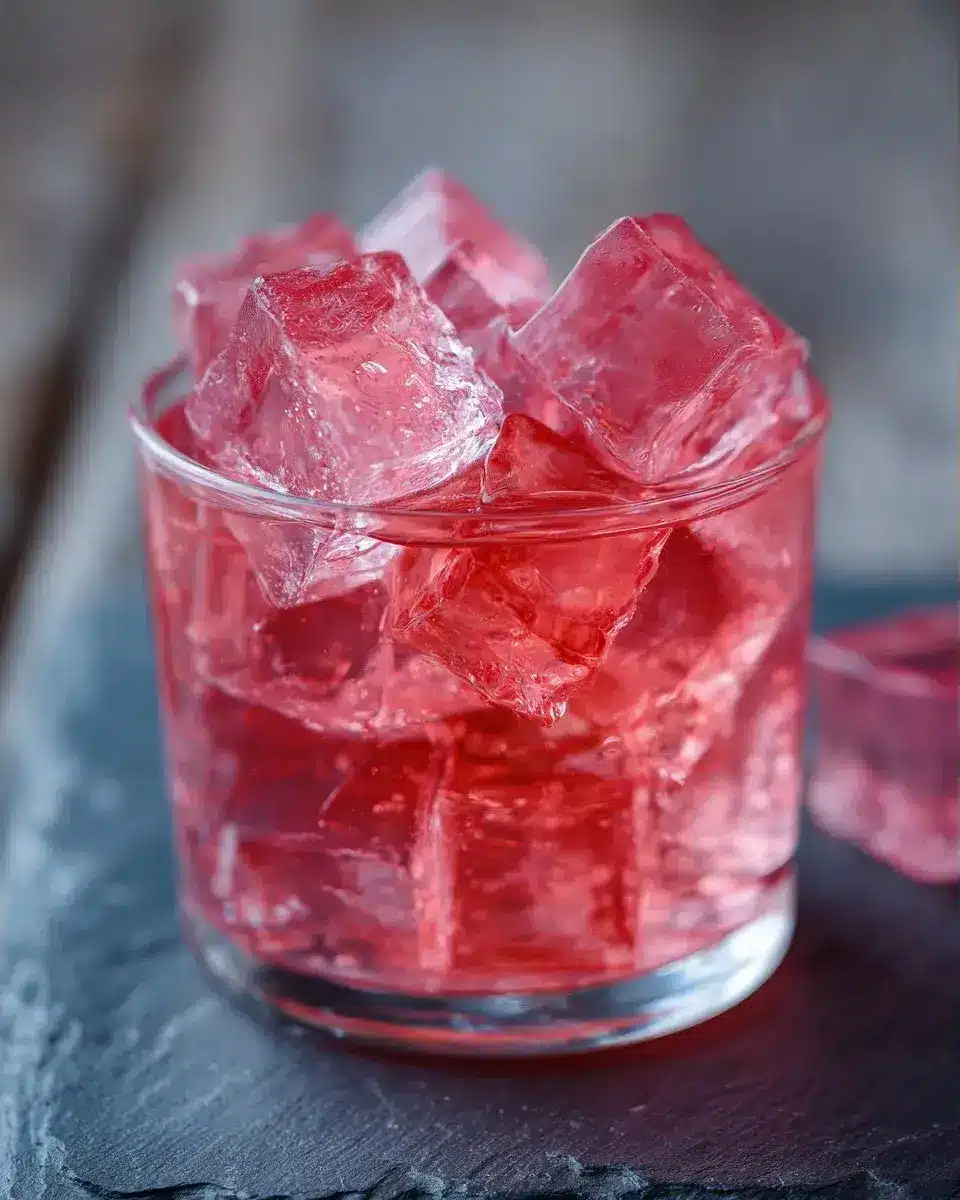
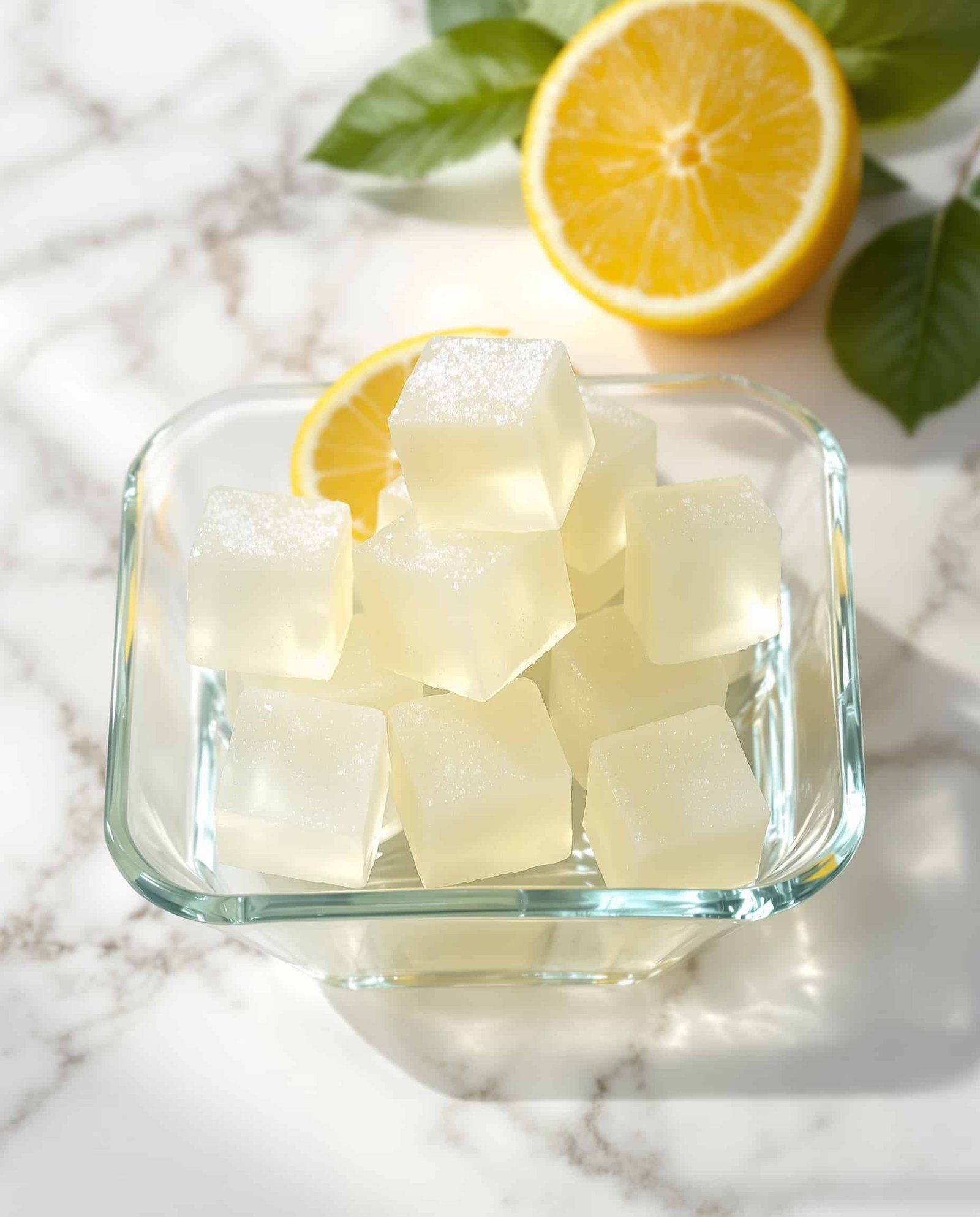
When you’re on a weight loss journey, especially after bariatric surgery, finding satisfying, low-calorie options can feel like searching for a needle in a haystack. Many recipes promise the moon but deliver little in terms of actual nutritional value or satiety. This bariatric gelatin recipe, inspired by the sensible approach of Dr. Jennifer Ashton, is different. It’s designed to be an ultra-light, refreshing treat that fits perfectly into a calorie-controlled diet. We’re about understanding what you eat, not just blindly following a recipe. This isn’t a magic bullet, but it’s a smart, honest choice to support your goals.
| Prep Time | 10 minutes | Cook Time | 0 minutes |
| Servings | 4 | Calories | 10 kcal |
Ingredients
- 2 cups (480 ml) cold filtered water, divided
- 2 tablespoons (20g) unflavored gelatin powder
- 1 tablespoon (15 ml) fresh lemon juice (optional, for a brighter flavor)
- 1 teaspoon gelatin natural food coloring (pale yellow)
- 1-2 drops liquid stevia or erythritol, to taste (optional, for subtle sweetness)
Recommended Tools You’ll Need
| Tool | Why You Need It |
|---|---|
| Whisk | Ensures gelatin dissolves smoothly without lumps, creating a clear, uniform mixture. |
| Measuring Cups & Spoons | Accurate measurements are crucial for proper gelatin setting and consistent results. |
| Shallow Square Dish or Molds | Ideal for creating uniform, easy-to-cut cubes and faster setting times. |
| Small Saucepan | For heating water efficiently to dissolve the gelatin, or a microwave-safe alternative. |
Calorie Reality
At a mere 10 calories per serving, this bariatric gelatin recipe is effectively calorie-neutral in the context of a typical 1500-2000 kcal daily budget. It’s designed to provide volume and satiety without contributing significantly to your overall caloric intake, making it an excellent choice for a snack or dessert when you’re aiming for a deficit.
About Your Daily Budget: Your Total Daily Energy Expenditure (TDEE) is the number of calories your body burns in a day, including basal metabolic rate, activity, and digestion. To lose weight, you need to consume fewer calories than your TDEE.
Diet Compatibility
Compatible with: Bariatric Diet (post-op), Keto Diet, Low-Carb Diet, Paleo Diet (using grass-fed gelatin), Gluten-Free Diet, Dairy-Free Diet
Not compatible with: Vegan Diet, Vegetarian Diet
Warning: Mixing Diets: Mixing different diet approaches without understanding their underlying principles can be counterproductive and even harmful. For example, combining a high-carb approach with a high-fat approach can lead to excess calorie intake and lipogenesis (fat storage), as your body prioritizes burning carbohydrates for energy, leaving dietary fats to be stored. Stick to one well-researched, sustainable approach that aligns with your health goals and, ideally, chosen with professional guidance. Don’t fall for the ‘best of all worlds’ fallacy without scientific backing.
Expert Tips
For optimal results, ensure your water is hot enough to fully dissolve the gelatin – tiny undissolved granules lead to a gritty texture. If you’re sensitive to artificial sweeteners, omit the stevia/erythritol; the lemon adds enough brightness. For weight loss, consider this as a ‘free food’ that helps curb cravings without derailing your calorie goals. It’s excellent for those moments when you just need to put something in your mouth that isn’t loaded with sugar or fat. Focus on consistency over perfection.
Macros Breakdown
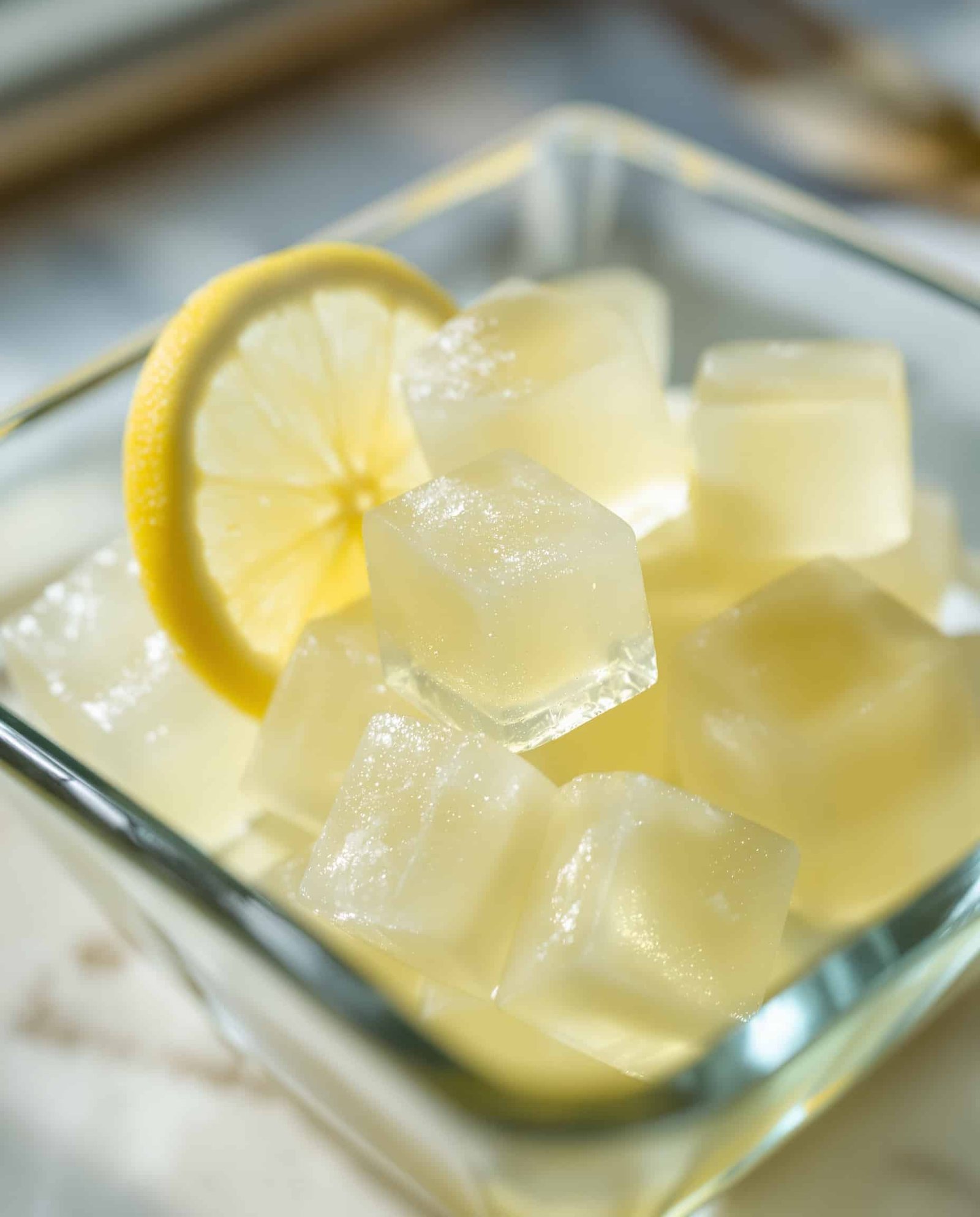
This recipe is almost pure protein from the gelatin, with virtually no carbs, fat, or fiber. This macro profile is ideal for bariatric patients or anyone focusing on protein intake while keeping other macros very low. Gelatin provides amino acids, which are building blocks for your body, but it’s not a complete protein source, so don’t rely solely on it for your protein needs. It’s a supplemental, volume-filling choice.
Nutrition Information (per serving)
| Calories | Protein | Carbs | Fat | Fiber |
|---|---|---|---|---|
| 10 kcal | 2.5g | -g | -g | -g |