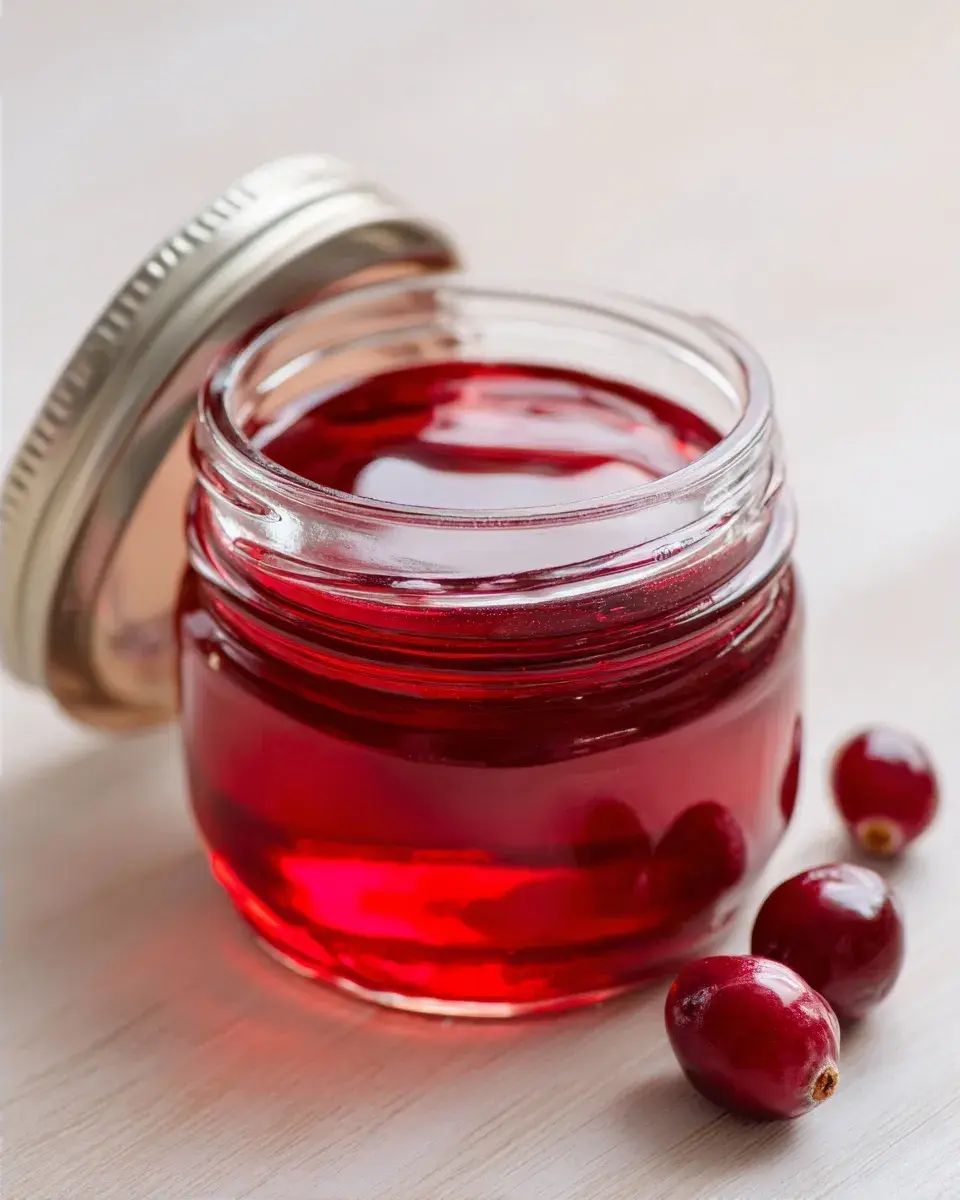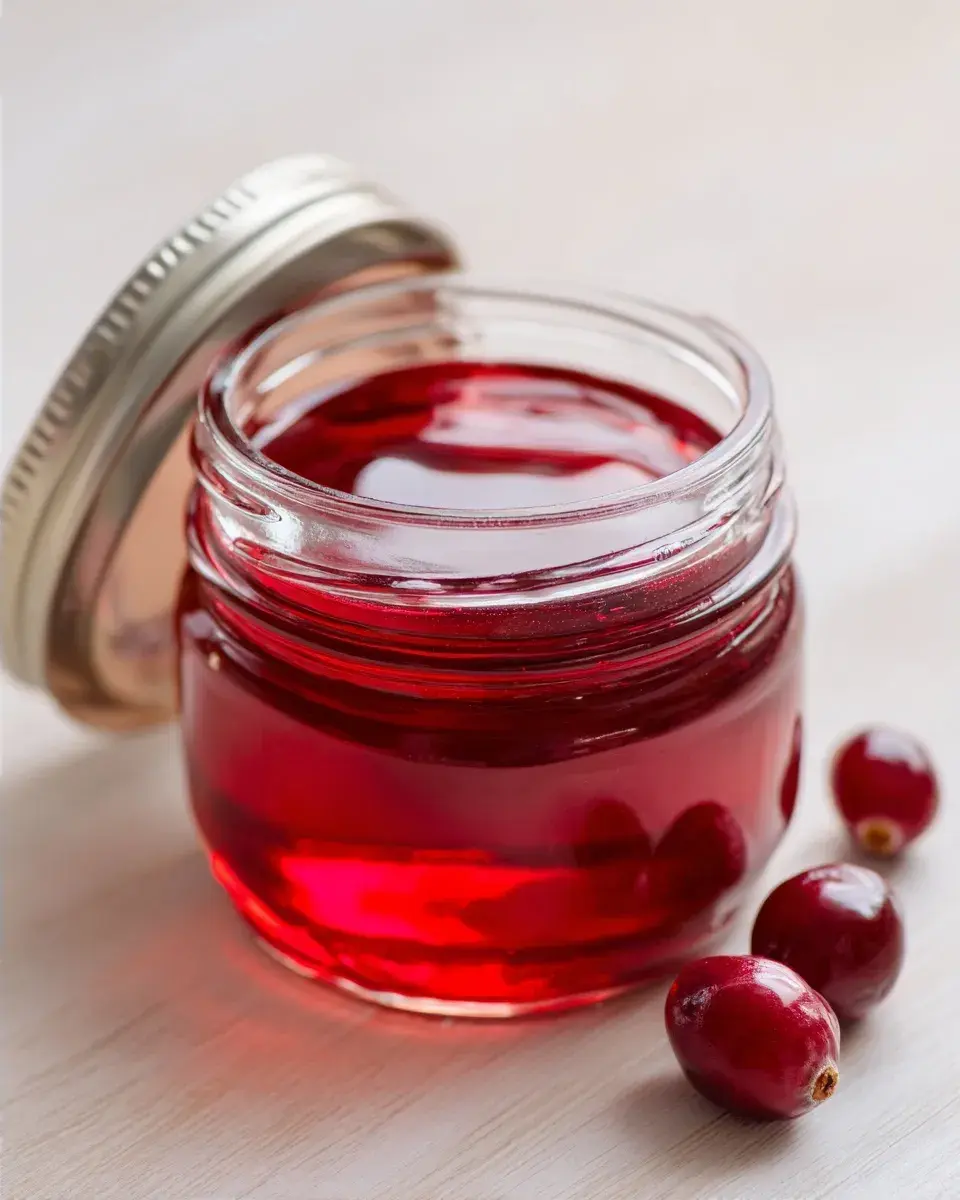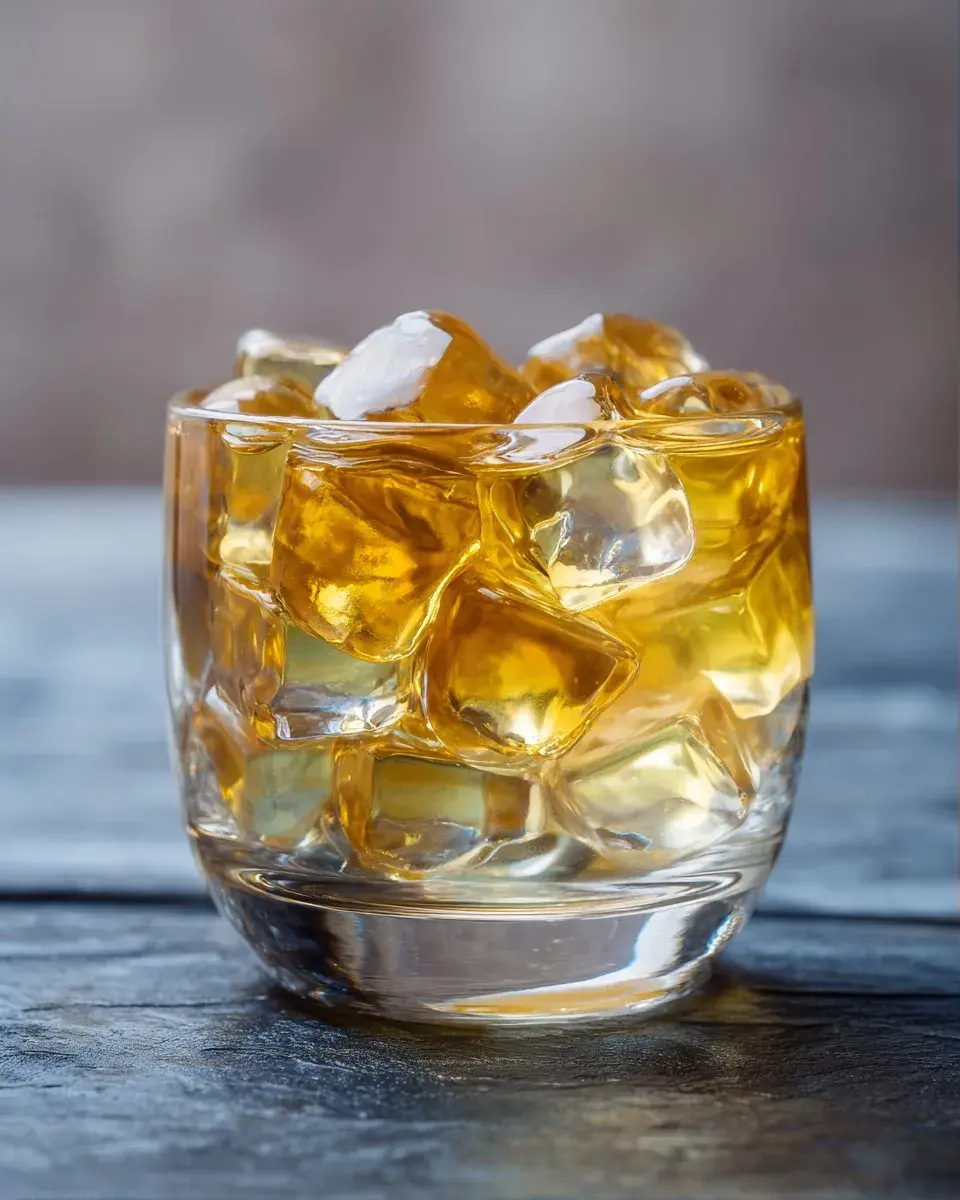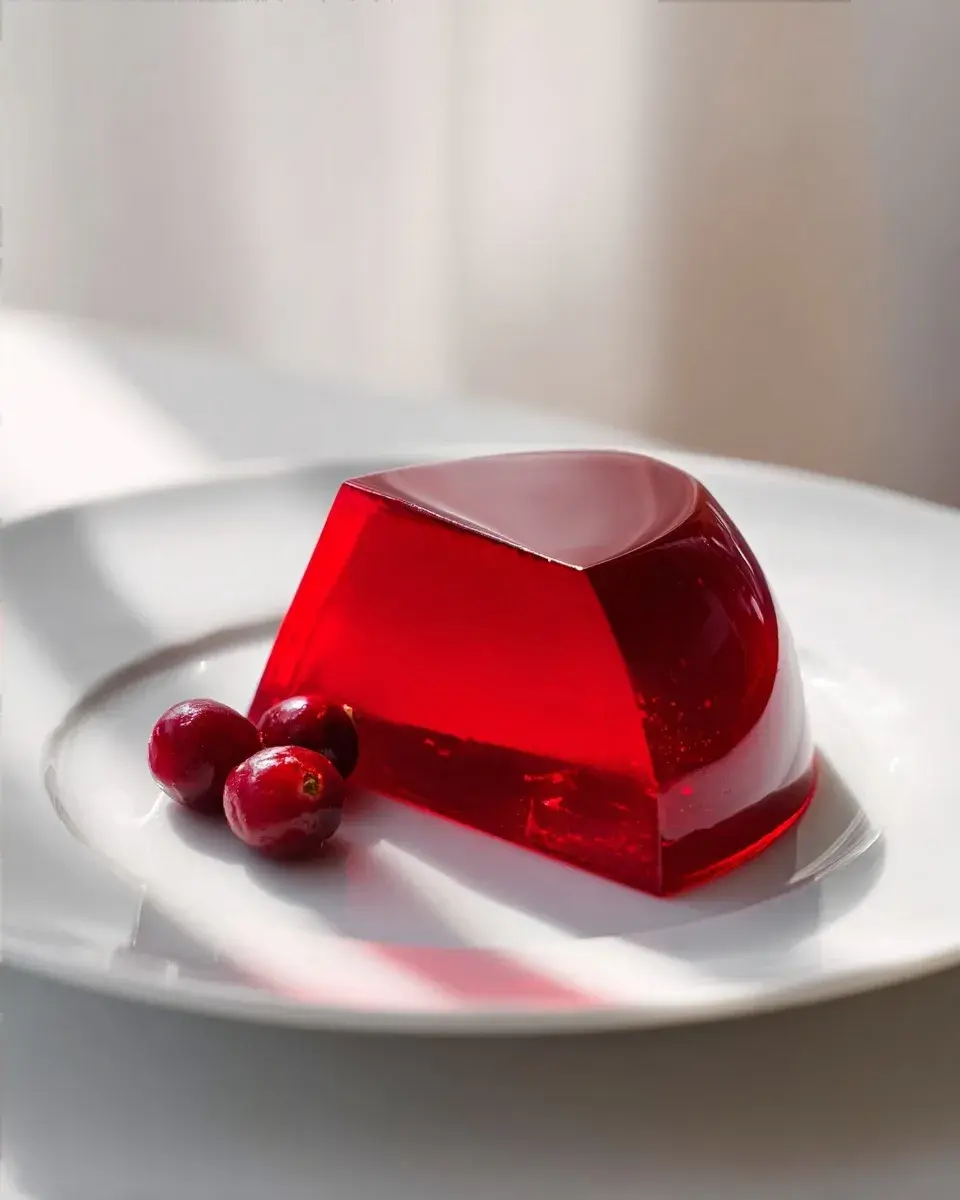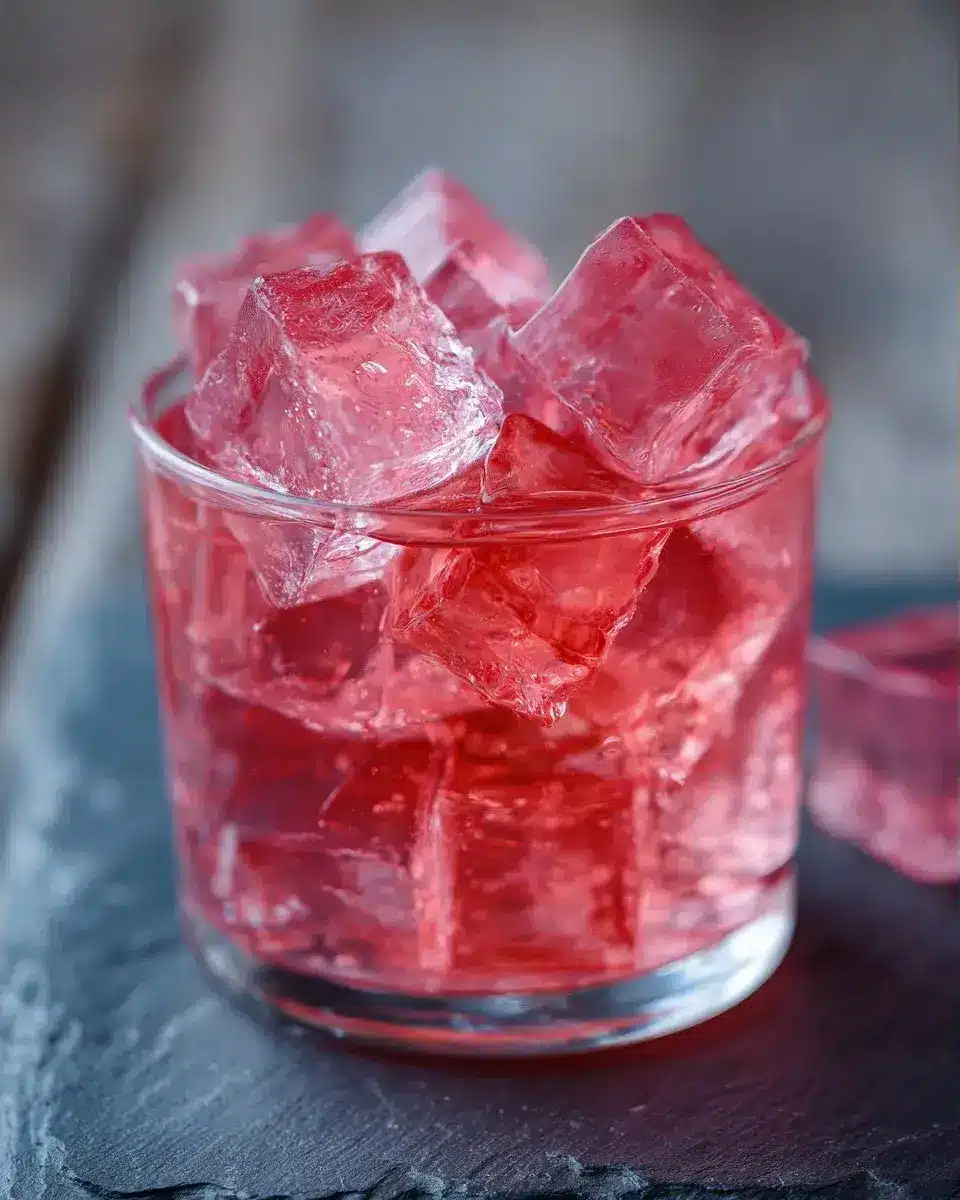
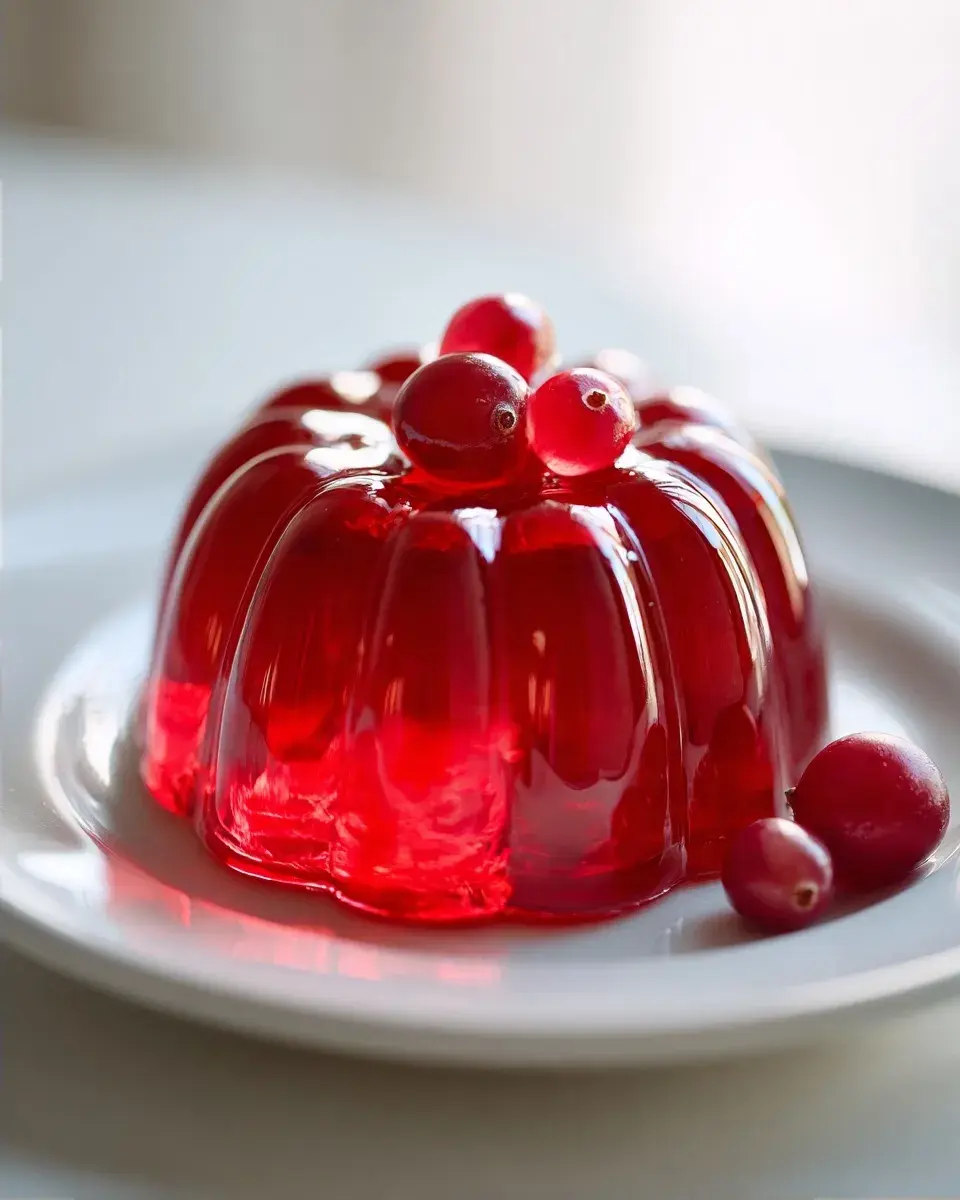
People who have undergone bariatric surgery often find themselves craving something sweet, yet their new digestive system demands low‑calorie, low‑fiber options. The infamous pink gelatin trend has taken social media by storm, promising a simple treat that satisfies the sweet tooth without blowing the calorie budget. However, many recipes are sloppy, packed with hidden sugars, or leave fruit pulp suspended in the gel, which can upset sensitive stomachs. This article gives you a clear, science‑backed version of the pink gelatin that is genuinely light, easy to make, and safe for post‑surgery diets. We’ll walk through the exact ingredients, step‑by‑step instructions, and nutritional breakdown so you can see exactly how many calories you’re consuming. No gimmicks, no over‑hyping, just honest data and a recipe that actually works for weight loss and bariatric recovery. By using strained fruit juice, a modest amount of sugar, and the right amount of gelatin, you create a translucent, silky gel that feels indulgent but keeps the calorie count low. The apple cider vinegar not only adds a subtle tang but also helps stabilize the pH, ensuring the gelatin sets properly. We’ll also discuss why this dish can fit into a low‑carb or Mediterranean plan, how to tweak it for keto, and what to avoid if you’re on a strict protein‑focused regimen. Finally, you’ll get practical storage tips, serving ideas, and a quick FAQ to clear up common doubts about using gelatin after bariatric surgery. Let’s dive in.
| Prep Time | 10 | Cook Time | 10 |
| Servings | 6 | Calories | 35 kcal |
Ingredients
- 1 cup strained pink fruit juice (raspberry or strawberry)
- 2 tbsp granulated sugar
- 1 tsp pure vanilla extract
- 1 tbsp apple cider vinegar (diluted in 2 tbsp water)
- 1 tsp powdered gelatin (about 2.5 g)
- 2 tbsp cold water (for blooming gelatin)
- pinch of sea salt
- optional garnish: fresh berries
Recommended Tools You’ll Need
| Tool | Why You Need It |
|---|---|
| Small saucepan | Keeps the juice warm without overheating, preserving delicate flavors. |
| Whisk | Ensures gelatin dissolves completely for a smooth texture. |
| Shallow dish or silicone molds | Creates an even surface for consistent setting. |
| Refrigerator | Provides the steady cold needed for gelatin to firm. |
Calorie Reality
On a typical 2000‑kcal diet, a 35‑calorie snack is only 1.75% of your daily allowance. To lose weight, you need a 500‑kcal deficit, so you could fit this jello plus a balanced lunch and dinner within a 1500‑kcal day.
About Your Daily Budget: Your total daily energy expenditure is the sum of your basal metabolic rate, activity, and thermic effect of food. Knowing your TDEE helps you set realistic calorie goals for weight loss.
Diet Compatibility
Compatible with: Low‑Carb, Keto (modified), Paleo, Mediterranean
Not compatible with: High‑Protein Diets, Very Low‑Fat, Strict Vegan (no gelatin)
Warning: Mixing Diets: If you combine this jello with high‑protein or high‑fat foods, the overall calorie density rises and may slow weight loss. Excess calories can lead to lipogenesis, where the body stores fat. Keep portions moderate and pair with lean protein or vegetables to stay in a deficit.
Expert Tips
Bloom the gelatin in cold water for 5 minutes; this ensures a clear, lump‑free gel. Use a fine sieve to strain the fruit juice before adding sugar to avoid pulp. For a richer flavor, replace half the juice with coconut water, but watch the added carbs. If you’re sensitive to vinegar, reduce it to 1 tsp and add a splash of lemon juice instead.
Macros Breakdown
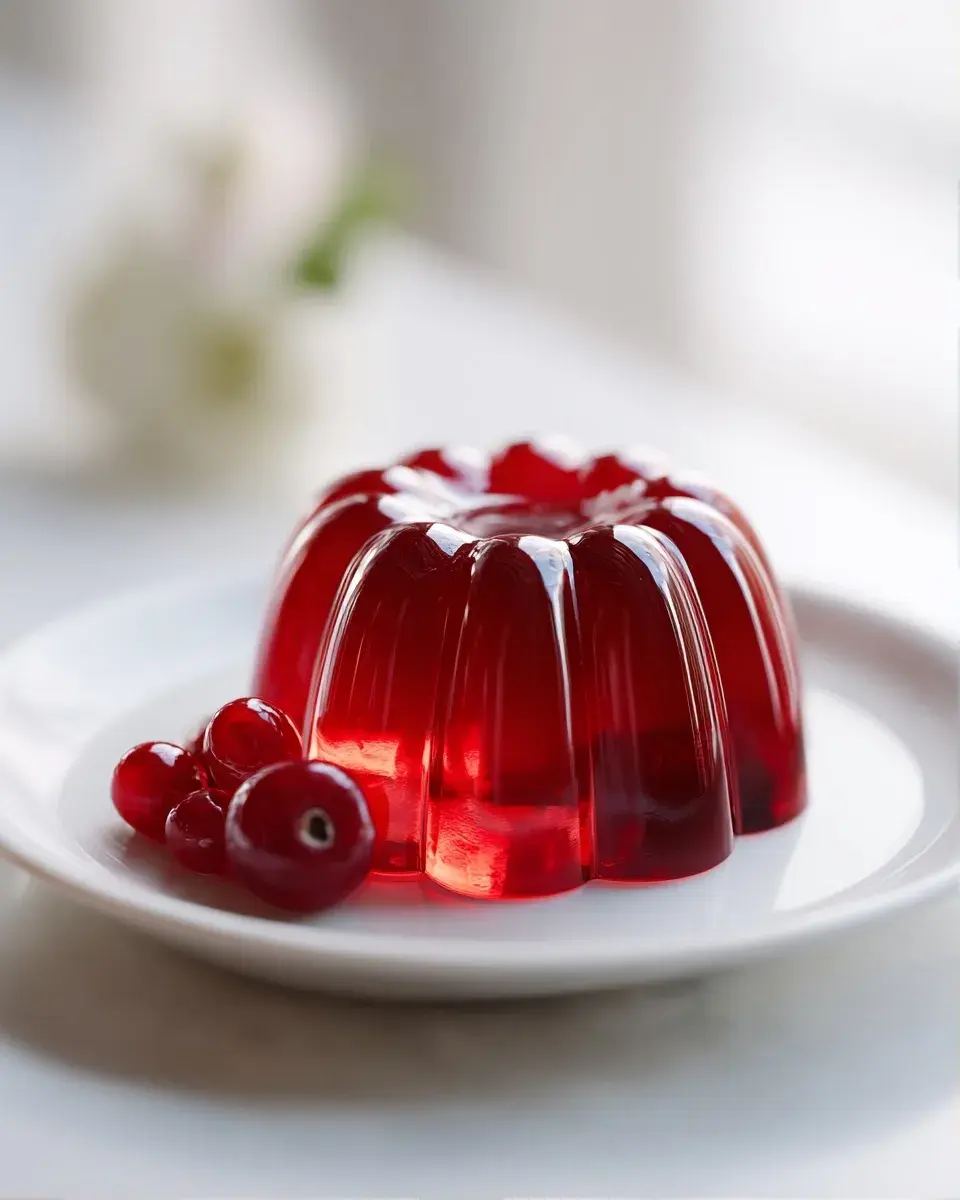
This jello is almost entirely carbohydrate from fruit juice and sugar, with negligible protein and fat. The fiber content is low, making it gentle on a post‑surgery gut. The small protein amount comes from the gelatin, which is primarily collagen peptides.
Nutrition Information (per serving)
| Calories | Protein | Carbs | Fat | Fiber |
|---|---|---|---|---|
| 35 kcal | 1g | 7g | 0.1g | 1g |