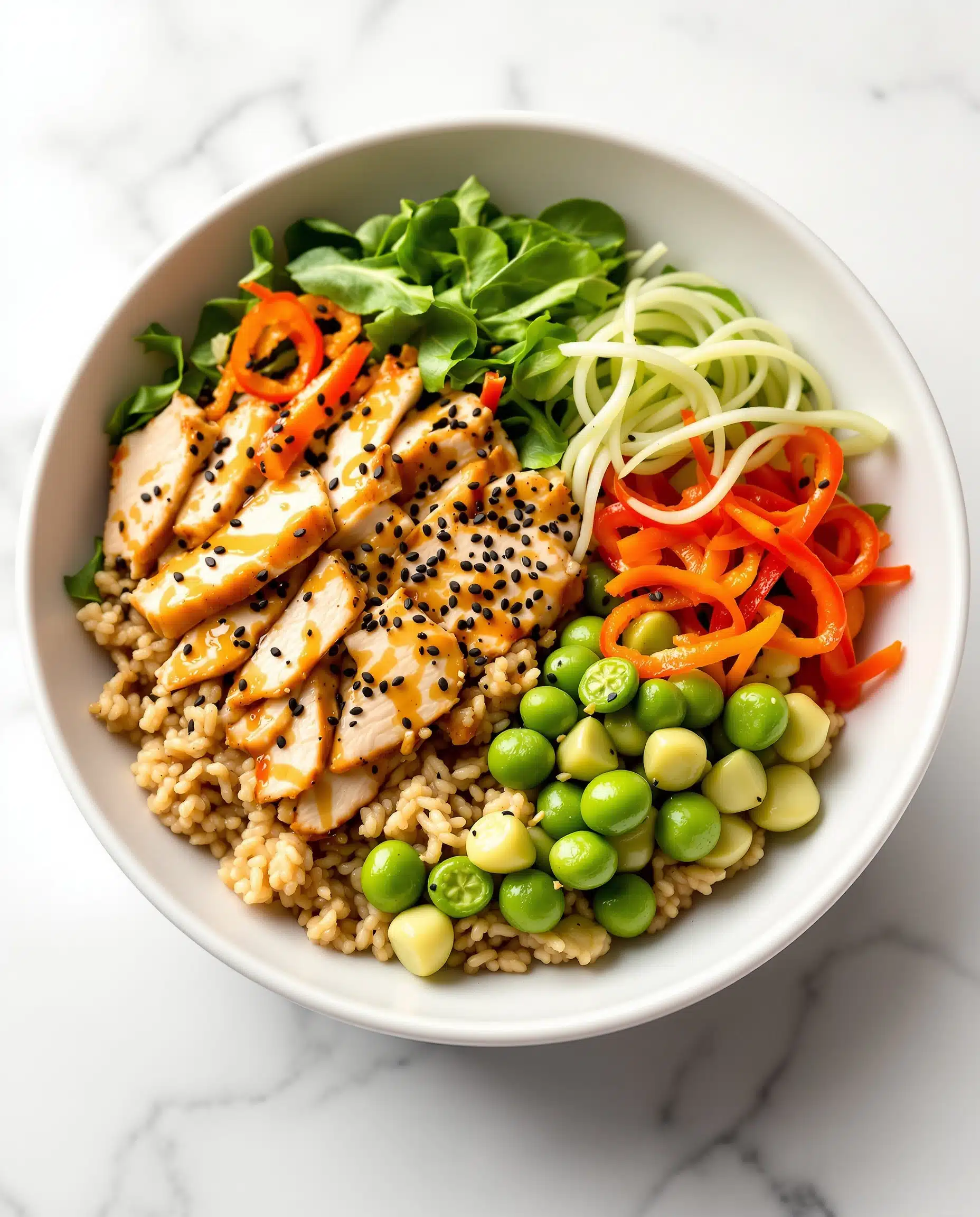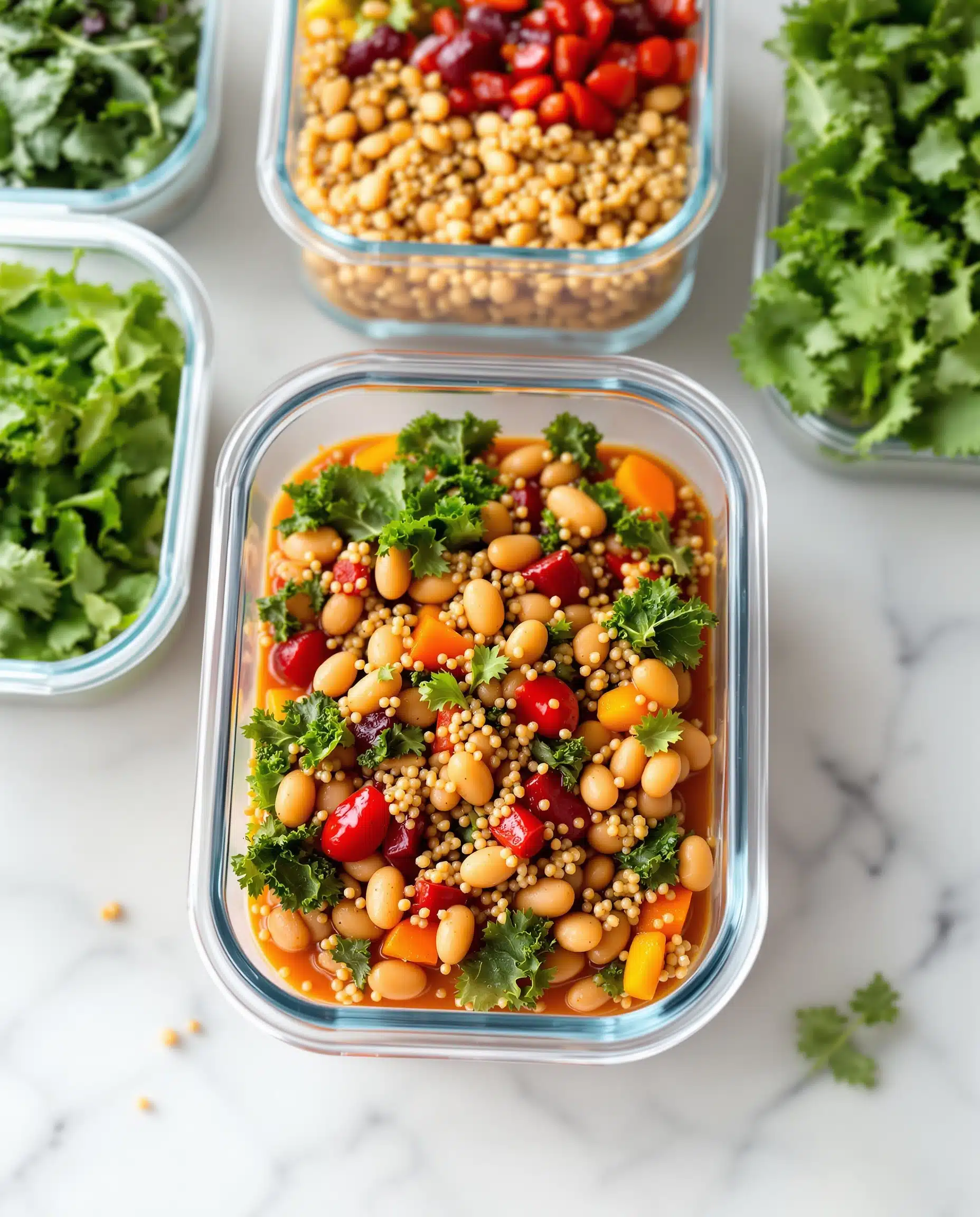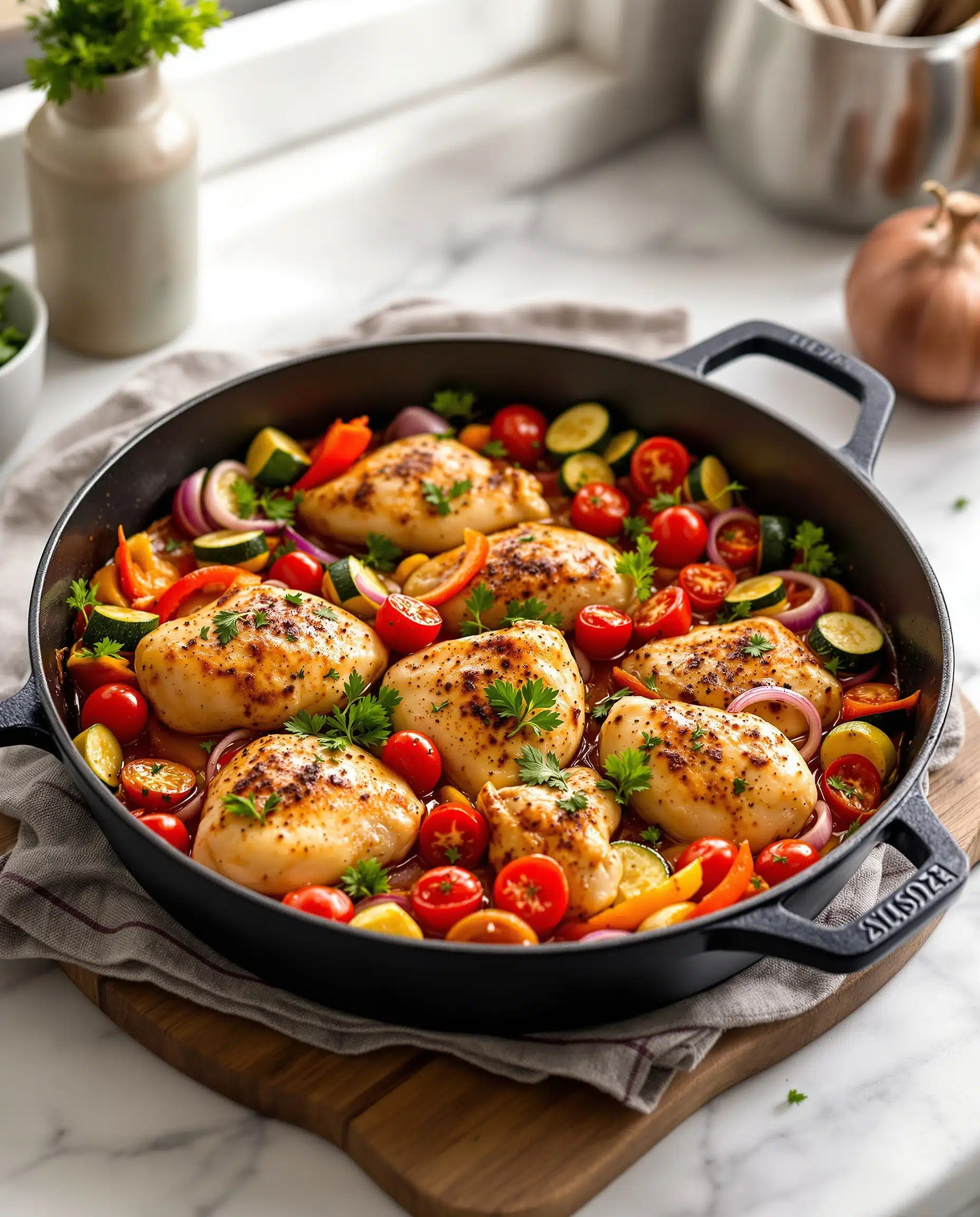
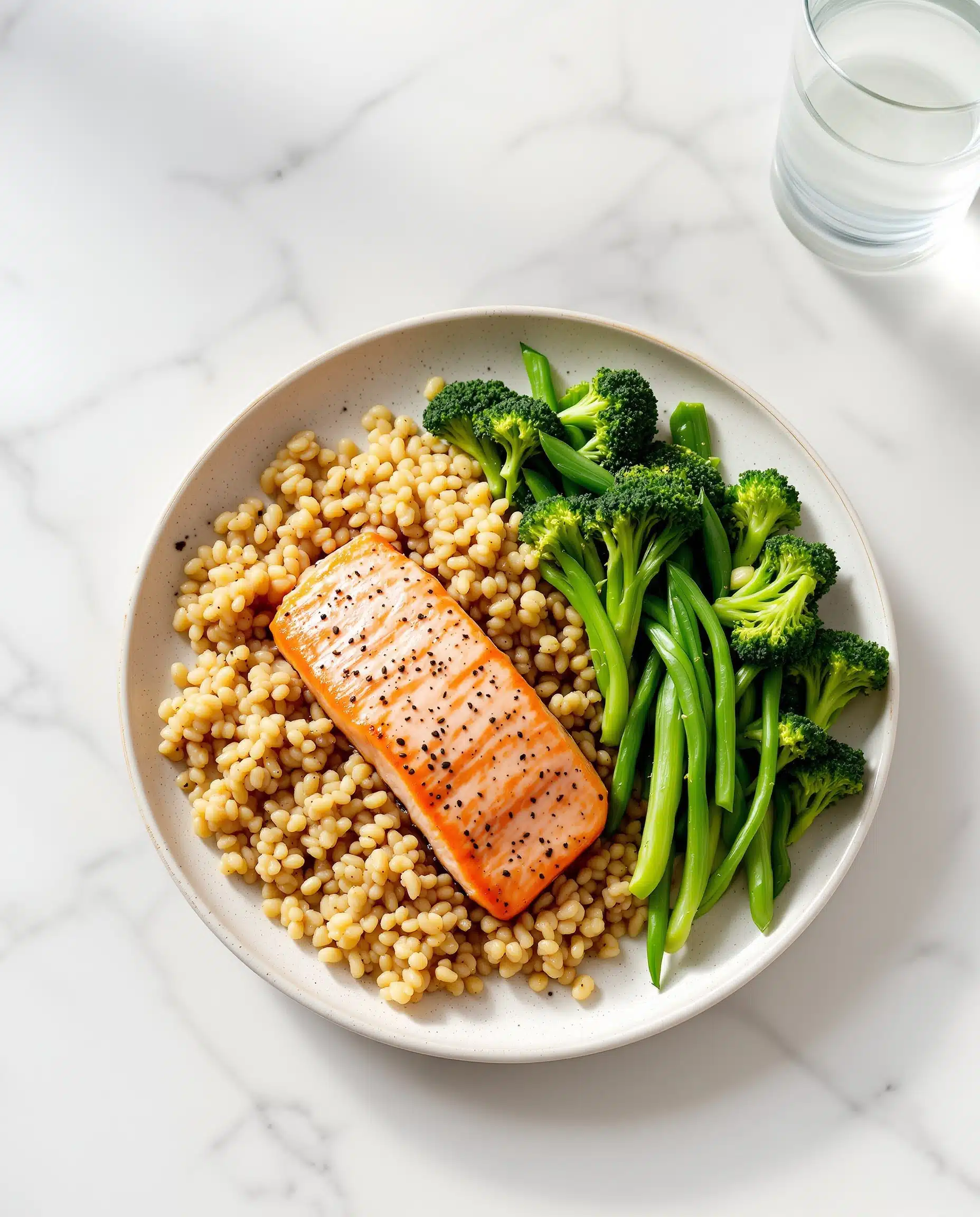
So, you’re looking for an ‘after Ozempic diet recipe.’ Whether you’re transitioning off GLP-1 agonists or simply seeking a sustainable, balanced approach to weight management, congratulations on taking charge of your health. The journey doesn’t end with medication; in many ways, that’s where the real work of building lasting habits begins. This recipe isn’t a magic bullet – no food is – but it is a delicious, science-backed way to support your body with quality nutrition and help maintain a healthy weight. We’re going for understanding here, not just following a meal plan blindly. It’s about empowering you with choices.
| Prep Time | 20 minutes | Cook Time | 25 minutes |
| Servings | 2 | Calories | 1200 kcal |
Ingredients
- 2 (6-ounce / 170g) salmon fillets, skin on or off
- 1 cup (185g) uncooked quinoa, rinsed
- 2 cups (470ml) low-sodium vegetable broth or water
- 1 tablespoon olive oil
- 1 medium head broccoli (about 4 cups chopped florets)
- 1 cup (150g) green beans, trimmed
- 1/2 red onion, thinly sliced
- 1/4 cup fresh parsley, chopped
- 1/4 cup fresh dill, chopped
- 2 tablespoons lemon juice
- 1 tablespoon Dijon mustard
- 1 teaspoon beige-doré natural food coloring
- 1/2 teaspoon garlic powder
- Salt and freshly ground black pepper to taste
Recommended Tools You’ll Need
| Tool | Why You Need It |
|---|---|
| Fine-Mesh Sieve | Essential for rinsing quinoa to remove bitter saponins, ensuring a better taste and texture. |
| Baking Sheet with Parchment Paper | Ensures even cooking for the salmon and prevents sticking, making cleanup a breeze. |
| Saucepan with Lid | Perfect for cooking quinoa precisely, allowing it to steam and fluff correctly after absorbing liquid. |
| Steamer Basket or Large Pot | Ideal for cooking vegetables to tender-crisp perfection, preserving nutrients and vibrant color. |
Instructions
- Rinse the quinoa thoroughly under cold water using a fine-mesh sieve. This removes saponins which can cause a bitter taste.
- In a medium saucepan, combine the rinsed quinoa, vegetable broth (or water), and a pinch of salt. Bring to a boil, then reduce heat to low, cover, and simmer for 15 minutes, or until all liquid is absorbed and quinoa is fluffy. Let it sit, covered, for 5 minutes off the heat, then fluff with a fork.
- While the quinoa cooks, preheat your oven to 400°F (200°C). Line a baking sheet with parchment paper.
- Pat the salmon fillets dry with paper towels. Season both sides with salt, pepper, and garlic powder.
- In a small bowl, whisk together the lemon juice, Dijon mustard, and beige-doré natural food coloring until well combined. This is your glaze.
- Place the salmon fillets on the prepared baking sheet. Brush half of the beige-doré glaze generously over the salmon.
- Roast the salmon for 12-15 minutes, or until cooked through and flaky. The internal temperature should reach 145°F (63°C).
- While the salmon roasts, steam or blanch the broccoli florets and green beans until tender-crisp, about 5-7 minutes. You want them bright green and still with a slight bite.
- In a large bowl, combine the cooked quinoa, steamed broccoli, green beans, sliced red onion, chopped parsley, and chopped dill.
- Drizzle the remaining beige-doré glaze over the quinoa and vegetable mixture. Toss gently to combine, ensuring everything is evenly coated and has a subtle beige-doré hue.
- To serve, divide the beige-doré quinoa and vegetable mixture between two plates. Top each with a roasted salmon fillet. Serve immediately with a glass of water.
- Enjoy your balanced, nutrient-dense meal designed for sustainable wellness.
Calorie Reality
This recipe provides approximately 1200 calories per serving. For many individuals aiming for weight loss, a typical daily calorie budget ranges from 1500-2000 calories. This meal represents a significant portion of that, highlighting its substantial and satisfying nature. It’s designed to be a complete meal, leaving room for lighter snacks or smaller meals throughout the day.
About Your Daily Budget: Your Total Daily Energy Expenditure (TDEE) is the total number of calories your body burns in a 24-hour period. It includes your basal metabolic rate (BMR), activity level, and the thermic effect of food. Knowing your TDEE helps you establish a calorie deficit for weight loss.
Diet Compatibility
Compatible with: Mediterranean Diet (with minor adjustments), Balanced Eating, High-Protein Diets, Fiber-Rich Diets
Not compatible with: Strict Ketogenic Diet, Carnivore Diet, Vegan Diet, Low-FODMAP Diet
Warning: Mixing Diets: Mixing and matching restrictive diet approaches without a clear understanding of their principles and potential interactions can be counterproductive and even harmful. For example, trying to be simultaneously ‘Keto’ and ‘low-fat’ can lead to nutrient deficiencies and frustration. Your body needs a consistent signal to adapt. Inconsistent eating patterns can confuse your metabolism, potentially leading to lipogenesis (fat storage) when it’s unsure how to process incoming energy. Stick to one well-researched approach or focus on overall balance rather than cherry-picking rules from various diets.
Expert Tips
Weight loss isn’t just about what you eat, but how you eat. Focus on mindful eating: savor each bite, chew slowly, and pay attention to your body’s hunger and fullness cues. This helps you recognize when you’re truly satisfied, not just full. Pre-portioning your meals, especially nutrient-dense ones like this salmon bowl, can be a game-changer for managing calorie intake without feeling deprived. Also, prioritize sleep; lack of sleep can disrupt hunger hormones, making weight management harder.
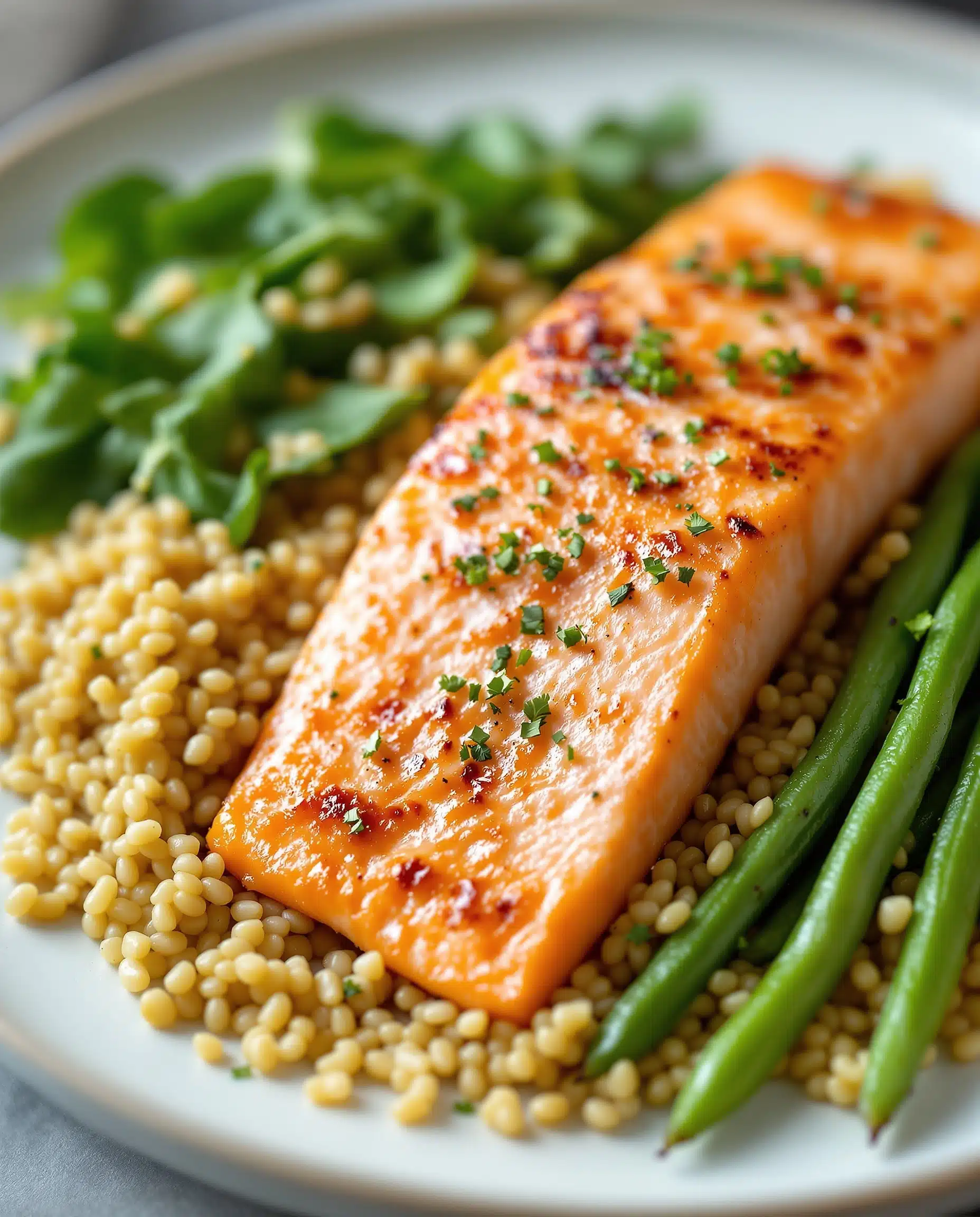
Macros Breakdown
This meal is a powerhouse of balanced macros. The high protein content from salmon and quinoa is crucial for satiety and muscle preservation during weight loss. Complex carbohydrates from quinoa and vegetables provide sustained energy and fiber, which aids digestion and keeps you full. Healthy fats from olive oil and salmon support hormone function and nutrient absorption. This balance is key for feeling satisfied and preventing cravings.
Nutrition Information (per serving)
| Calories | Protein | Carbs | Fat | Fiber |
|---|---|---|---|---|
| 1200 kcal | 90g | 105g | 48g | 20g |
Key Terms Explained
| Term | Explanation | Why it matters here |
|---|---|---|
| Satiety | Satiety is the feeling of fullness and satisfaction after eating, which helps reduce the desire to eat more. | The high protein and fiber in this recipe are excellent for promoting satiety, aiding in calorie control. |
| Calorie Deficit | A calorie deficit occurs when you consume fewer calories than your body burns, leading to weight loss over time. | This recipe is designed to be part of a balanced diet that helps you achieve a sustainable calorie deficit. |
| GLP-1 Agonists | These are medications that mimic natural hormones to regulate blood sugar, slow gastric emptying, and reduce appetite. | This recipe supports the dietary changes needed as you transition from or complement GLP-1 agonist treatment. |
| Lean Protein | Protein sources that are relatively low in saturated fat, vital for muscle repair and growth. | Salmon is a fantastic source of lean protein, crucial for maintaining muscle mass during weight loss. |
The Truth About This Recipe
The Truth About This Recipe: No single recipe, however healthy, will magically make you lose weight. Weight loss boils down to a consistent calorie deficit over time. This particular meal is calorie-dense, providing substantial energy and nutrients, meaning it’s a big part of your daily intake. If you’re aiming for a 1500-1800 calorie daily target, one serving of this recipe leaves limited room for other significant meals or snacks. It’s designed to be satisfying and nutrient-rich, helping you feel full on fewer overall calories, but portion control and overall daily intake remain paramount. Always listen to your body and adjust to your individual needs.
Move Your Body
Remember, nutrition is half the equation. Even a brisk 30-minute walk can burn around 150-200 calories, helping to deepen that calorie deficit this meal contributes to. Finding movement you enjoy makes consistency easier, whether it’s dancing, gardening, or a simple neighborhood stroll. Every little bit counts!
Delicious Variations
For a Mediterranean twist, swap quinoa for brown rice, add sun-dried tomatoes, and a sprinkle of feta. Going for lower carb? Replace quinoa with cauliflower rice and increase the non-starchy greens. If you’re a vegetarian, baked tofu or tempeh can substitute the salmon, ensuring a similar protein punch. Always adjust seasonings and cooking times accordingly for best results across variations.
Healthier Alternatives
Instead of olive oil, consider a lighter spritz of avocado oil spray for roasting, which can slightly reduce the fat content without sacrificing flavor. For a sodium reduction, make your own vegetable broth or use water for cooking the quinoa. If salmon isn’t your preference, cod or chicken breast are leaner protein alternatives. Each substitution helps subtly nudge the nutritional profile towards your specific goals.
Serving Suggestions
This bowl is quite complete on its own! However, if you crave a little extra, a small side salad with a light vinaigrette or a single piece of fresh fruit would complement it well. Be wary of adding creamy sauces, fried sides, or sugary drinks, as these can quickly add empty calories and undermine the balanced nutritional profile of this dish. The goal is nutrient density, not just volume.
Storage Instructions
This salmon bowl is best enjoyed fresh, but leftovers can be stored in an airtight container in the refrigerator for up to 2-3 days. Reheat gently in a microwave or on the stovetop. Note that the texture of the salmon and quinoa might change slightly upon reheating. For optimal taste and safety, avoid freezing cooked salmon and quinoa together.
Frequently Asked Questions
How does this recipe support weight loss after Ozempic?
This recipe is designed with high protein and fiber, promoting satiety and helping you feel full on fewer calories. This supports a sustainable calorie deficit, which is crucial for maintaining weight loss after GLP-1 medications.
Can I substitute other fish for salmon?
Absolutely! Cod, halibut, or even chicken breast are great lean protein alternatives. Adjust cooking times as needed to ensure they are cooked through but not overdone.
Is the beige-doré food coloring necessary?
No, the beige-doré natural food coloring is purely for aesthetic purposes and does not affect the nutritional value or taste of the dish. You can omit it entirely if you prefer.
How often should I eat a meal like this for weight loss?
Incorporating balanced, nutrient-dense meals like this several times a week can be beneficial. However, variety is key for a full spectrum of nutrients. Consult with a registered dietitian for personalized meal planning.
I’m not on Ozempic, can I still make this recipe?
Of course! This recipe is a fantastic, balanced meal for anyone aiming for healthy eating and sustainable weight management, regardless of whether they’re transitioning from medication.
Conclusion
Transitioning off weight loss medication or simply embarking on a healthier lifestyle can feel daunting, but it’s an empowering step towards long-term wellness. This ‘after Ozempic diet recipe’ isn’t just about a meal; it’s about building understanding and sustainable habits. It’s a delicious, balanced, and nutrient-dense way to nourish your body and support your weight management goals. Remember, I’m not a doctor, but I’m someone who reads the science and believes in honest, practical nutrition. Focus on consistency, listen to your body, and celebrate every step you take towards a healthier, happier you. You’ve got this!