Instructions
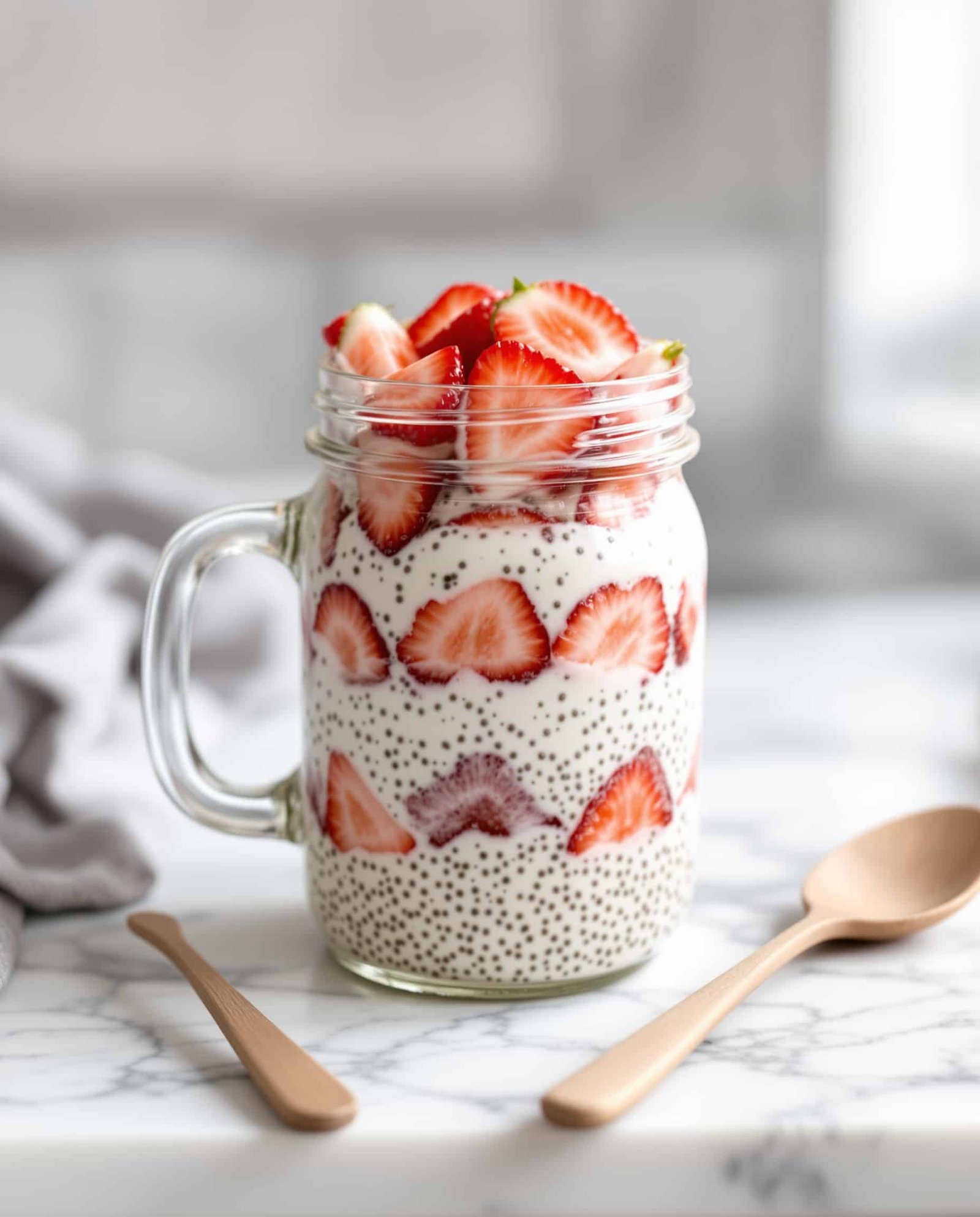
- In a jar or container, combine chia seeds, almond milk, vanilla extract, cinnamon, and sweetener.
- Stir well to ensure chia seeds are evenly distributed.
- Cover the jar or container and refrigerate for at least 2 hours, or preferably overnight.
- Before serving, stir the chia pudding again to break up any clumps.
- Add your favorite toppings and enjoy!
Key Terms Explained
| Term | Explanation | Why it matters here |
|---|---|---|
| Fiber | Fiber is a type of carbohydrate that your body can’t digest. It adds bulk to your diet, helping you feel full and aiding digestion. | Chia seeds are a great source of fiber, contributing to the satiety factor of this pudding. |
| Omega-3 Fatty Acids | These are essential fats that your body needs but can’t produce on its own. They’re important for brain health and reducing inflammation. | Chia seeds are rich in omega-3 fatty acids, especially ALA (alpha-linolenic acid). |
| Satiety | Satiety is the feeling of fullness and satisfaction after eating, which helps prevent overeating. | The high fiber and protein content in chia pudding contribute to increased satiety. |
The Truth About This Recipe
The Truth About This Recipe: Chia pudding, by itself, won’t magically make you lose weight. Weight loss happens when you consistently consume fewer calories than you burn. This recipe is a healthy and filling option that can support your weight loss journey by keeping you satisfied and reducing cravings, but it’s just one piece of the puzzle. Focus on a balanced diet and regular exercise.
Move Your Body
A brisk 30-minute walk can burn approximately 150-200 calories. Pair your delicious chia pudding with some light activity to boost your energy expenditure and overall well-being. Remember, consistency is key!
Delicious Variations
For a keto-friendly version, use unsweetened almond milk, stevia or erythritol, and add high-fat toppings like nuts, seeds, or coconut flakes. For a low-carb option, focus on berries as a topping. For a Mediterranean twist, add a drizzle of olive oil and a sprinkle of sea salt.
Healthier Alternatives
Instead of regular almond milk, try flax milk for added omega-3s. Replace sugar with natural sweeteners like stevia or monk fruit to reduce calorie intake. Swap out processed granola toppings for fresh berries and nuts to increase nutrient density and fiber.
Serving Suggestions
Enjoy your chia pudding as a breakfast, snack, or dessert. Be careful about pairing it with high-calorie, high-sugar foods like pastries or sugary coffee drinks, as this can negate the health benefits. Add a scoop of protein powder to increase the filling effect.
Storage Instructions
Chia pudding can be stored in an airtight container in the refrigerator for up to 5 days. The texture may thicken over time, so add a splash of almond milk to thin it out before serving.
Frequently Asked Questions
How long does chia pudding need to set?
Chia pudding needs to set for at least 2 hours, but preferably overnight, to allow the chia seeds to fully absorb the liquid and create a pudding-like consistency.
Can I use regular milk instead of almond milk?
Yes, you can use regular milk or any other type of milk you prefer, such as soy milk, oat milk, or coconut milk. The nutritional content will vary depending on the type of milk used.
Is chia pudding good for weight loss?
Chia pudding can be a helpful tool for weight loss because it’s high in fiber and protein, which can help you feel full and satisfied. However, it’s important to remember that weight loss depends on creating a calorie deficit.
How many calories are in chia pudding?
The calorie content of chia pudding varies depending on the ingredients and toppings used. This recipe contains approximately 250 calories per serving. Remember to track your total daily calorie intake.
Can I add protein powder to chia pudding?
Yes, adding protein powder to chia pudding is a great way to boost its protein content and make it even more filling. Mix the protein powder in with the other ingredients before refrigerating.
Conclusion
Chia pudding is a fantastic way to incorporate more fiber and protein into your diet, setting you up for a successful day. Remember, healthy eating is a journey, not a destination. Don’t get discouraged by setbacks – focus on making sustainable changes that you can stick with long-term. Experiment with flavors, find what you enjoy, and celebrate your progress. You’ve got this!