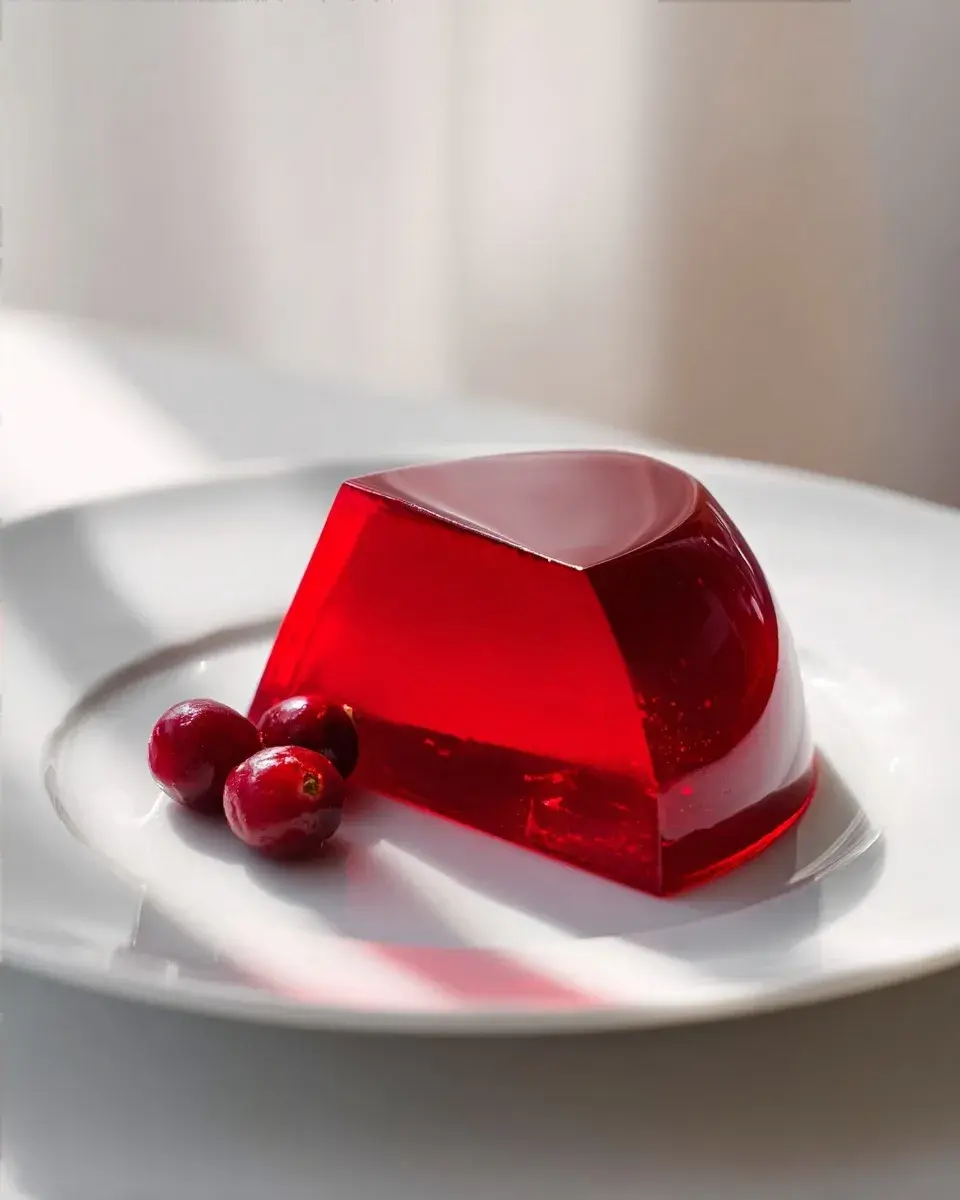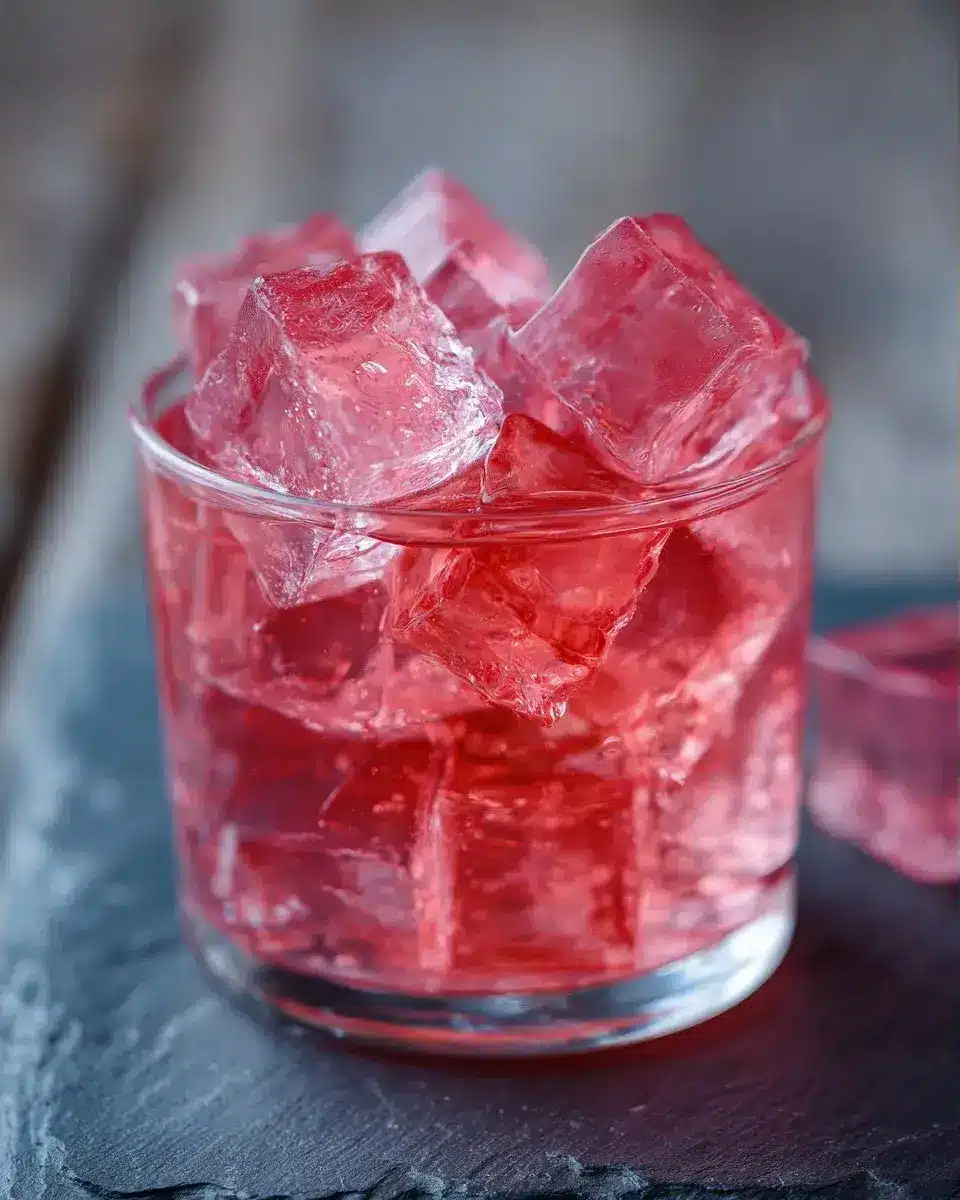
Instructions
- Pour 1 cup of cold water into a medium bowl. Sprinkle the unflavored gelatin powder evenly over the cold water. Let it sit for 5 minutes to bloom (this means it will absorb the water and swell, preventing lumps).
- Once the gelatin has bloomed, add 1 cup of boiling water to the bowl. Whisk continuously until the gelatin is completely dissolved and no granules remain. This usually takes about 2-3 minutes.
- Stir in the erythritol or stevia blend until fully dissolved. Taste and adjust sweetness if desired. Remember, artificial sweeteners vary in potency, so start with less and add more.
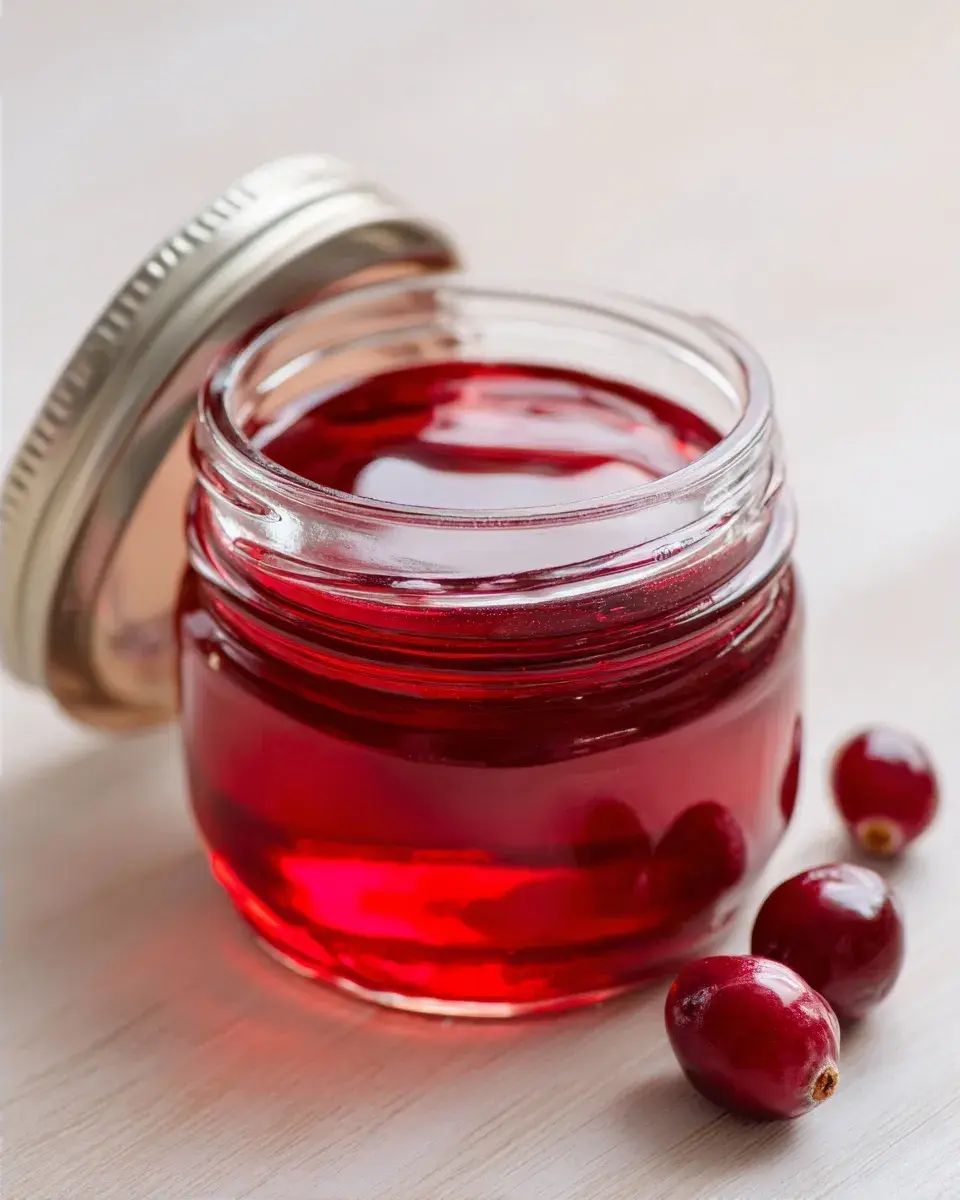
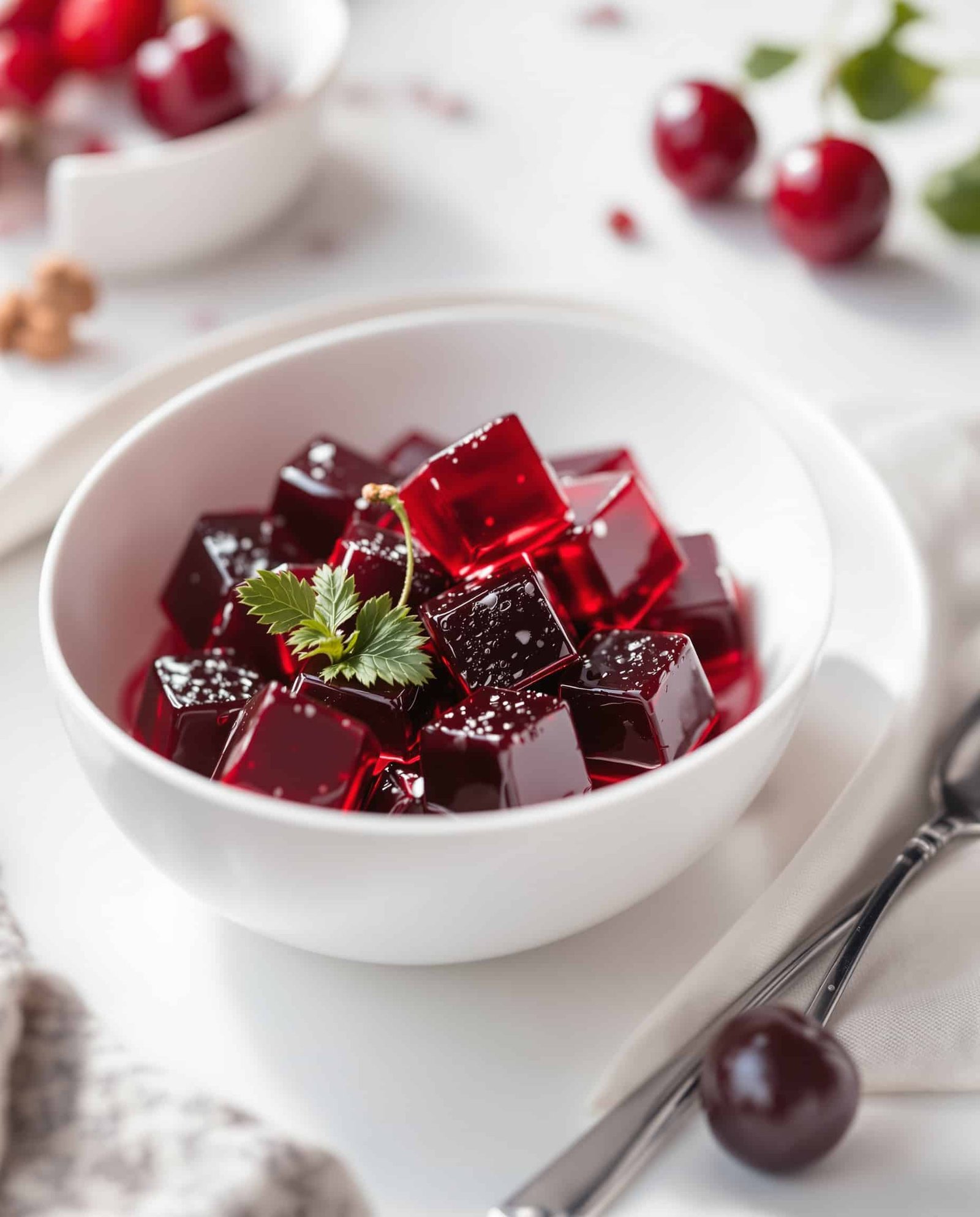
- Add 1/2 teaspoon of natural cherry red food coloring and 1/2 teaspoon of natural grape purple food coloring to achieve a rich bordeaux color. Stir well to combine evenly until you reach your desired shade.
- Carefully pour the liquid gelatin mixture into a clean, shallow white bowl. Make sure the bowl is heat-proof.
- Refrigerate for at least 3-4 hours, or until completely set and firm. For best results, chill overnight.
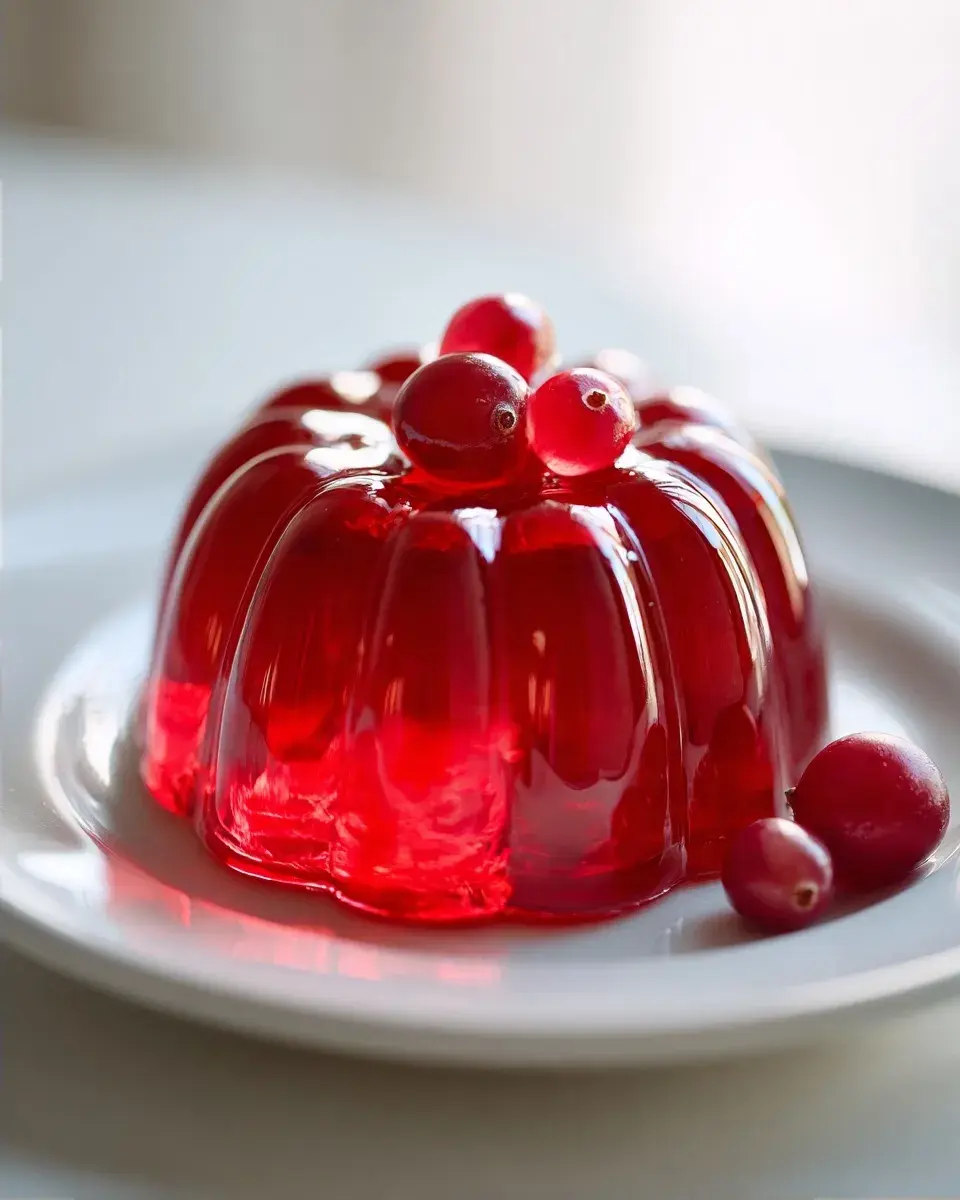
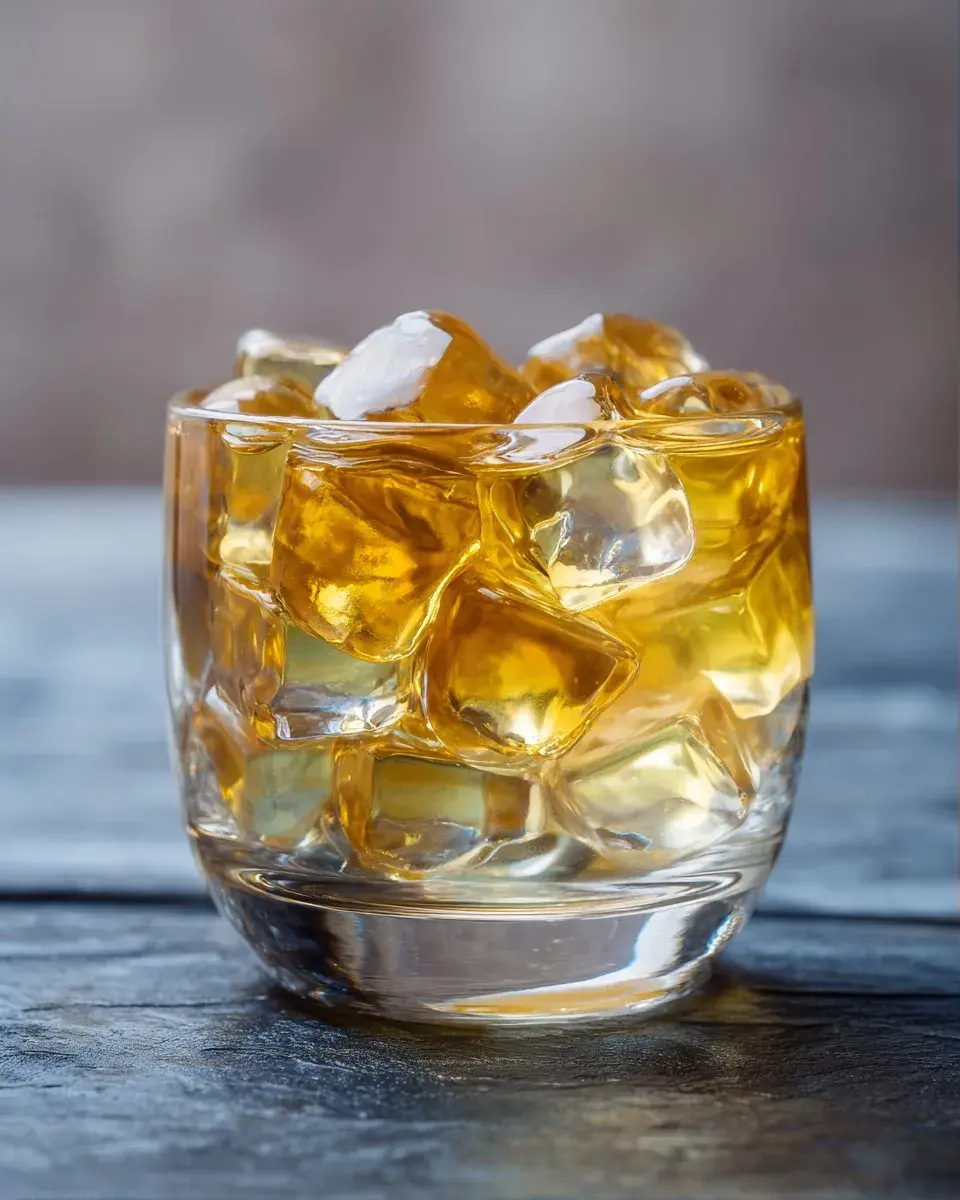
- Once set, carefully cut the gelatin into cubes directly in the bowl, or gently unmold and then cut into cubes. Serve chilled.
Key Terms Explained
| Term | Explanation | Why it matters here |
|---|---|---|
| Calorie Deficit | Consuming fewer calories than your body burns, forcing it to use stored energy (fat) for fuel. | This low-calorie recipe helps maintain a calorie deficit without feeling deprived. |
| Satiety | The feeling of fullness and satisfaction after eating, which helps control hunger. | The protein in gelatin can contribute to satiety, helping you eat less overall. |
| Gelatin | A protein derived from collagen; it’s mostly glycine and proline, amino acids with various benefits. | Provides protein with minimal calories, supporting tissue health and satiety. |
| Erythritol | A sugar alcohol, a natural sweetener with almost no calories and minimal impact on blood sugar. | Allows for sweetness without adding caloric sugar, keeping the recipe diet-friendly. |
The Truth About This Recipe
The Truth About This Recipe: This gelatin isn’t a magical fat-burner. No single food is. Weight loss boils down to a consistent calorie deficit. What this recipe *is* is a smart tool: a very low-calorie, satisfying option for when you crave something sweet. It helps you stick to that deficit without feeling like you’re constantly fighting your cravings. It’s about making your weight loss journey more manageable and less punishing, not about a quick fix. Sustainable weight loss happens slowly, usually 0.5-1 kg (1-2 lbs) per week, through consistent effort.
Move Your Body
Remember, what you eat is only half the equation. Even a brisk 20-30 minute walk can burn roughly 100-200 calories, which is equivalent to 6-12 servings of this gelatin! Incorporating regular movement, like walking, hiking, or dancing, complements your dietary efforts beautifully.
Delicious Variations
For a Keto/Low-Carb twist, ensure you’re using sugar-free sweeteners like erythritol or stevia, and natural food coloring without added sugars. For a Mediterranean-inspired option, consider adding a hint of orange blossom water or lemon zest to the mixture before chilling, and serving with a few fresh berries (account for berry calories). If you’re watching carbs closely, remember that even berries have natural sugars, so portion control is key. You can also experiment with different natural flavor extracts like almond or vanilla for variety.
Serving Suggestions
Serve these bordeaux gelatin cubes chilled, perhaps with a sprig of fresh mint for a touch of elegance. They are excellent on their own as a low-calorie dessert or snack. A word of caution: avoid pairing them with high-sugar toppings like whipped cream or sugary fruit sauces, as this defeats the purpose of a low-calorie treat. If you want a creamy element, a small dollop of plain, unsweetened Greek yogurt or coconut cream (in moderation) could work, but always factor in the additional calories and macros.
Storage Instructions
Store the set gelatin cubes in an airtight container in the refrigerator for up to 5-7 days. While it technically can be frozen, the texture will change significantly upon thawing, becoming more watery and less firm, so it’s generally not recommended. For best quality and texture, consume within a few days of preparation. Ensure the container is sealed well to prevent the gelatin from absorbing odors from other foods in the fridge.
Frequently Asked Questions
Can I use flavored gelatin mix for this recipe?
While you technically can, flavored gelatin mixes are typically loaded with sugar and artificial ingredients, which defeats the purpose of a low-calorie, health-conscious recipe. Stick to unflavored gelatin and control your sweeteners.
Is gelatin good for weight loss?
Gelatin itself isn’t a weight loss miracle, but its high protein content and low-calorie profile (when unsweetened) can aid satiety and fit well into a calorie-controlled diet, making it a helpful tool for weight management.
How does gelatin help with hunger?
As a protein, gelatin can contribute to feelings of fullness and satisfaction, which can help reduce overall calorie intake by curbing cravings and preventing overeating, especially between meals.
Can I substitute agar-agar for gelatin?
Yes, agar-agar is a vegetarian/vegan substitute, but it requires different proportions and cooking methods. Generally, less agar-agar is needed than gelatin, and it needs to boil to activate. Adjust accordingly based on package directions.
What’s the best way to ensure my gelatin sets properly?
Always ‘bloom’ your gelatin in cold water first, then ensure it’s fully dissolved in boiling water. Don’t add acidic ingredients like fresh pineapple or kiwi before setting, as their enzymes can prevent gelatin from firming up.
Conclusion
There you have it: a simple, honest, and truly low-calorie Dr. Jennifer Ashton Gelatin Recipe 2 that fits beautifully into a weight loss plan. This isn’t about deprivation; it’s about making informed choices and understanding how individual foods contribute to your overall goals. Remember, sustainable weight loss is a journey of consistency, patience, and self-compassion, not perfection. You’re building new habits, one smart choice at a time. Keep learning, keep moving, and be kind to yourself. You’ve got this.