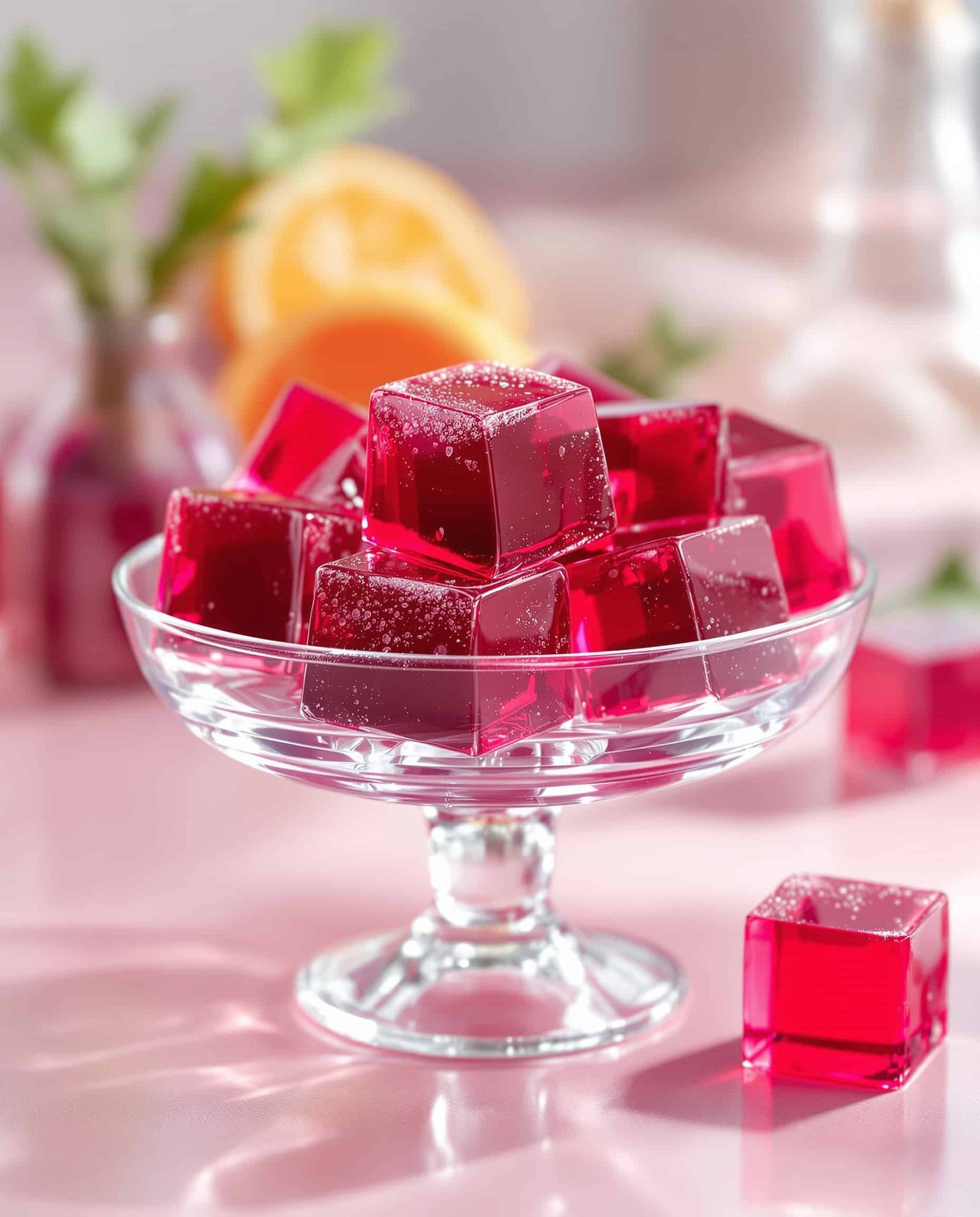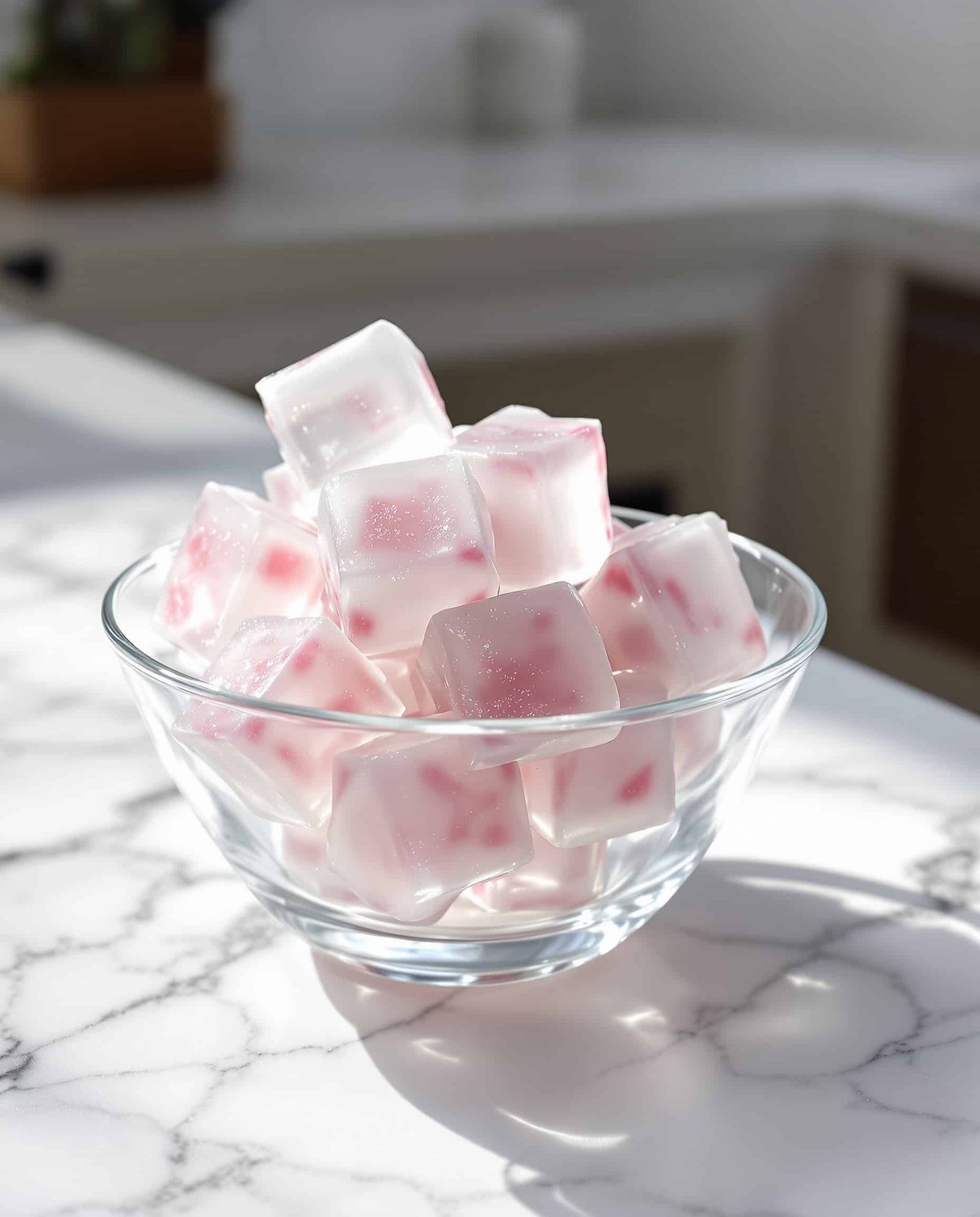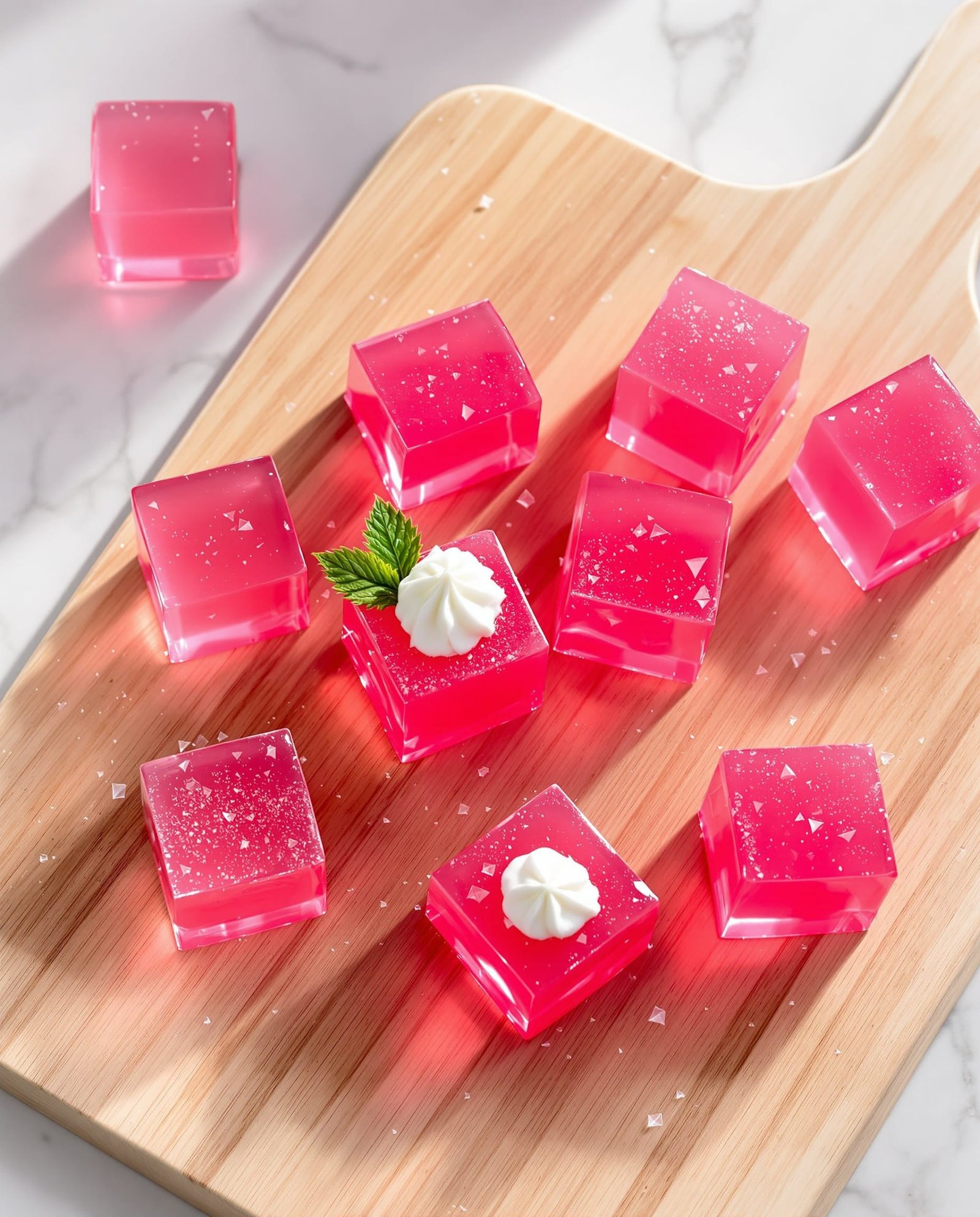
Let’s be honest: navigating the world of weight loss, especially post-bariatric surgery, can feel overwhelming. You’re constantly searching for satisfying, low-calorie options that actually support your goals without sacrificing flavor or feeling like a punishment. That’s where this Dr Oz bariatric weight loss recipe comes in. It addresses a common challenge: finding a light, high-protein snack that fits strict dietary needs. This rose-transparent gelatin isn’t just pretty; it’s designed to be easily digestible, hydrating, and surprisingly filling, making it an excellent choice for those focused on controlled portions and nutrient density.
| Prep Time | 10 minutes | Cook Time | 0 minutes |
| Servings | 6 | Calories | 25 kcal |
Ingredients
- 2 cups (480ml) filtered water, divided
- 3 tablespoons unflavored gelatin powder (e.g., Great Lakes, Vital Proteins)
- 1/4 cup (60ml) fresh lemon juice
- 1-2 tablespoons erythritol or stevia, or to taste (adjust based on sweetness preference)
- 1 tsp rose-transparent natural food coloring
Recommended Tools You’ll Need
| Tool | Why You Need It |
|---|---|
| Small Saucepan | For gently heating water to dissolve gelatin without scorching. |
| Whisk | Essential for thoroughly dissolving gelatin and ensuring a smooth, lump-free mixture. |
| Glass Dish (8×8 inch) | Provides an ideal surface area for setting and easy cutting into cubes. |
| Measuring Cups and Spoons | Crucial for accurate ingredient ratios, especially important in bariatric recipes. |
Instructions
- In a small bowl, pour 1/2 cup (120ml) of cold filtered water. Sprinkle the unflavored gelatin powder evenly over the cold water. Let it ‘bloom’ for 5-10 minutes, stirring occasionally, until it forms a thick, lumpy paste. This step is crucial for smooth results.
- While the gelatin is blooming, bring the remaining 1 1/2 cups (360ml) of filtered water to a gentle simmer in a small saucepan over medium heat. Do not boil vigorously.
- Once the water is simmering, remove the saucepan from the heat. Add the bloomed gelatin mixture to the hot water, stirring continuously with a whisk until the gelatin is completely dissolved and no lumps remain. This should take about 2-3 minutes. If it doesn’t dissolve fully, return to very low heat briefly, stirring constantly.
- Stir in the fresh lemon juice, your chosen sweetener (erythritol or stevia), and the 1 tsp of rose-transparent natural food coloring. Mix thoroughly until the color is even and the sweetener is dissolved.
- Carefully pour the mixture into a clean square or rectangular glass dish (approximately 8×8 inches or similar, to achieve desired cube thickness). You can also use individual ramekins for pre-portioned servings.
- Refrigerate for at least 3-4 hours, or until completely set and firm. For best results, chill overnight.
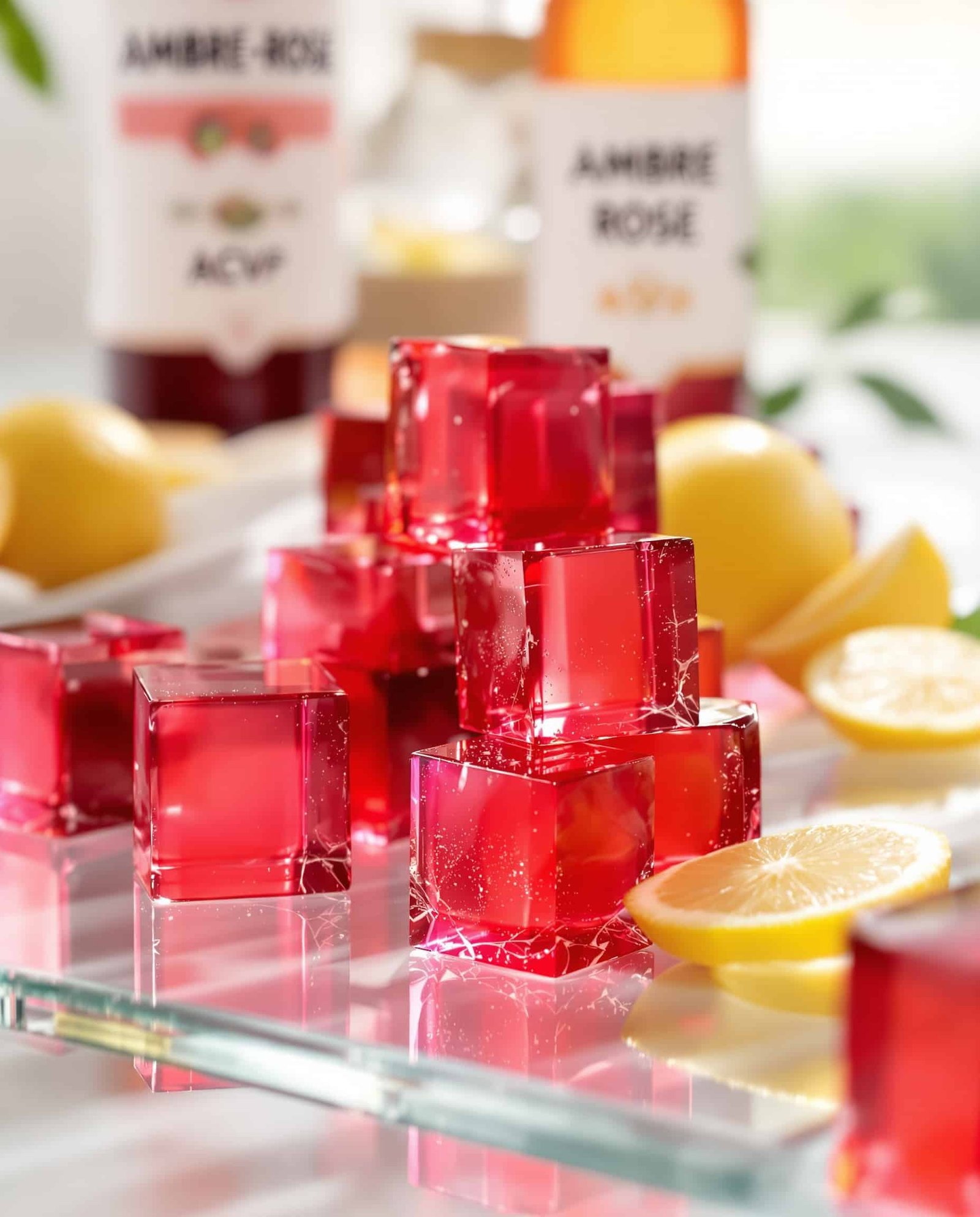
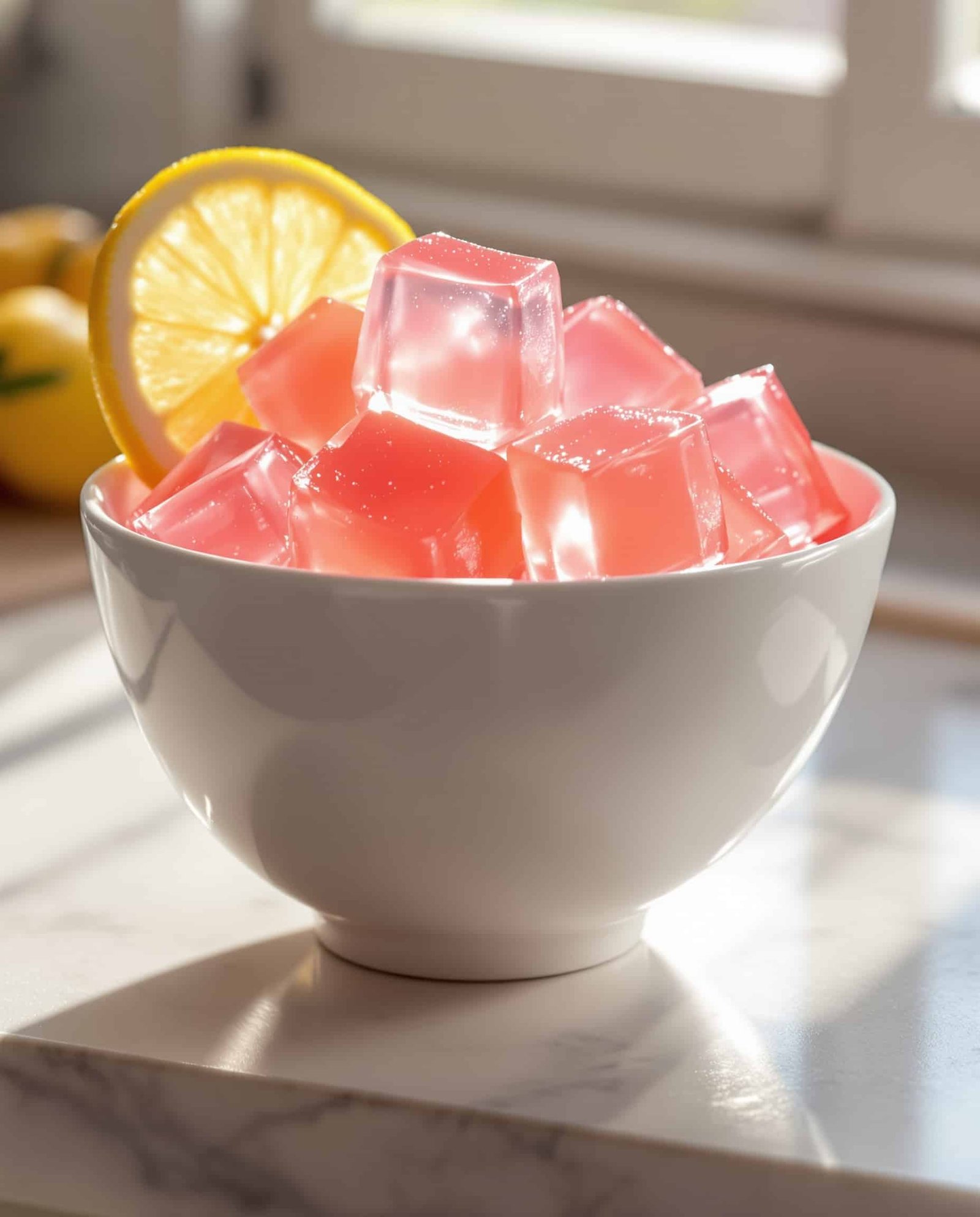
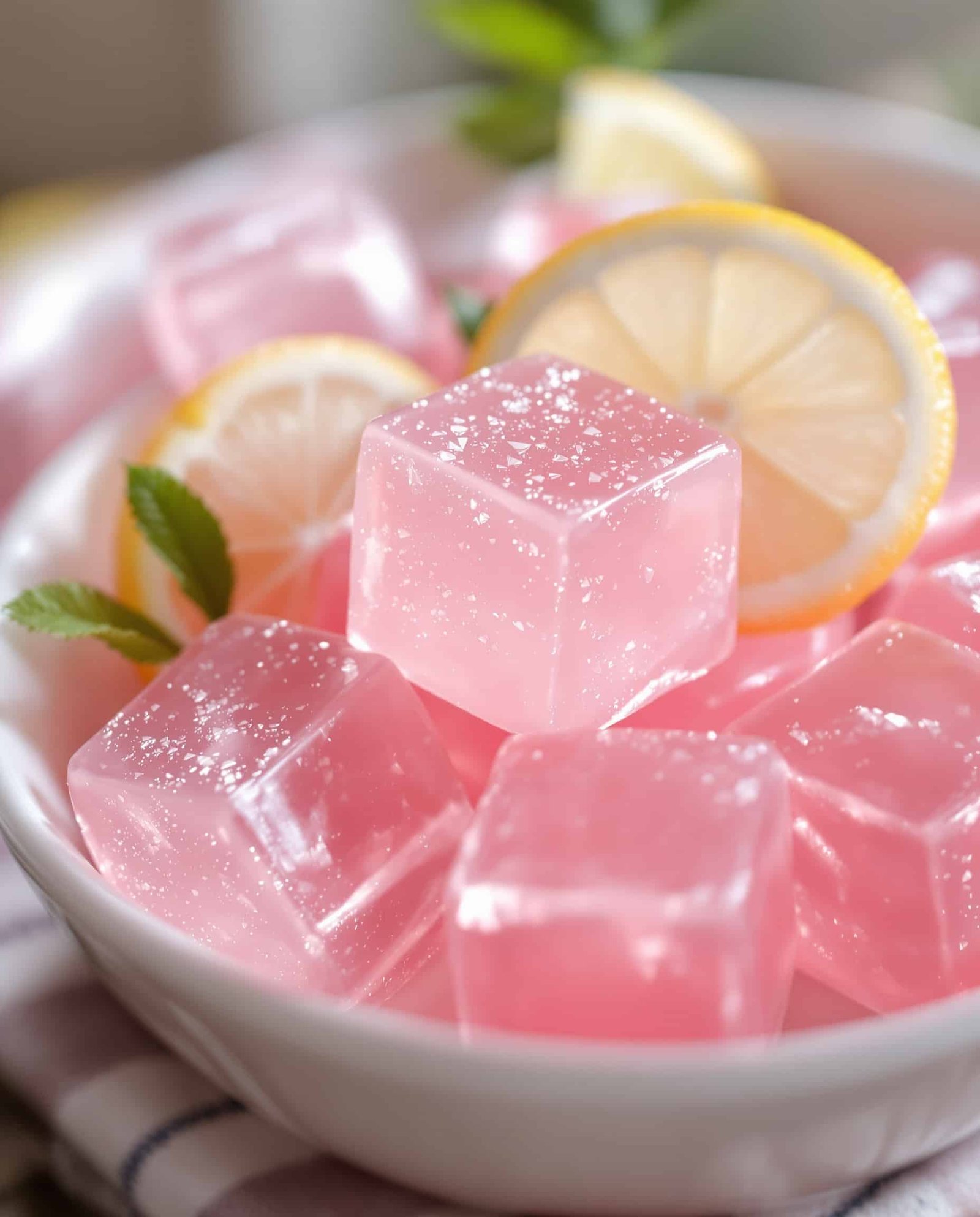
- Once set, gently run a knife around the edges of the dish. Cut the gelatin into rose-transparent pink cubes. Serve chilled with a fresh lemon slice.
Calorie Reality
At just 25 calories per serving, this rose gelatin is an incredibly low-calorie option. If you’re on a typical 1500-2000 calorie daily budget for weight loss, this recipe represents a tiny fraction of your intake, leaving plenty of room for nutrient-dense meals. It’s designed to be a satisfying snack or dessert that supports a calorie deficit without adding significant energy. Remember, every calorie counts when you’re aiming for sustainable weight loss.
About Your Daily Budget: Your Total Daily Energy Expenditure (TDEE) is the total number of calories your body burns in a day, including basal metabolism, physical activity, and food digestion. To lose weight, you need to consistently consume fewer calories than your TDEE, creating a calorie deficit. This recipe helps achieve that deficit.
Diet Compatibility
Compatible with: Keto, Low-Carb, Bariatric (post-op, as cleared by surgeon), Sugar-Free, Gluten-Free
Not compatible with: Vegan, Vegetarian (depending on gelatin source), Strict Paleo (due to processed sweetener/gelatin source sometimes)
Warning: Mixing Diets: Mixing and matching various restrictive diets without a clear, informed strategy can be counterproductive and even dangerous. Each diet often has underlying principles that can clash. For example, combining extreme low-fat with extreme low-carb can lead to nutrient deficiencies and an unhealthy relationship with food. Your body needs a balanced intake of macronutrients. When you switch diets frequently, your metabolism can get confused, potentially leading to inefficient fat storage (lipogenesis) as your body tries to adapt to inconsistent energy sources. Stick to one well-researched approach, ideally with professional guidance.
Expert Tips
When making gelatin, always ‘bloom’ it in cold water first; this prevents clumps and ensures a smooth consistency. For bariatric patients, consuming small, frequent portions throughout the day can help manage hunger and nutrient intake. Focus on mindful eating, savoring each bite of this refreshing gelatin. Remember, weight loss is a marathon, not a sprint. Consistency in small, healthy choices, including snacks like this, is key to reaching your goals. Always prioritize whole, unprocessed foods in your main meals.
Macros Breakdown
This recipe is almost pure protein, with virtually no carbohydrates or fat. This macro profile is ideal for bariatric patients and anyone focusing on weight loss, as protein is highly satiating and crucial for preserving muscle mass during a calorie deficit. The lack of carbs and fat also keeps the calorie count extremely low, making it a perfect guilt-free snack. Protein helps keep you full longer, reducing the urge to overeat.
Nutrition Information (per serving)
| Calories | Protein | Carbs | Fat | Fiber |
|---|---|---|---|---|
| 25 kcal | 6g | -g | -g | -g |
Key Terms Explained
| Term | Explanation | Why it matters here |
|---|---|---|
| Calorie Deficit | Consuming fewer calories than your body burns in a day. This forces your body to use stored energy (fat) for fuel, leading to weight loss. | This recipe is ultra-low in calories, making it excellent for maintaining a calorie deficit. |
| Satiety | The feeling of fullness and satisfaction after eating. High-protein foods generally promote greater satiety than high-carb or high-fat foods. | Gelatin (protein) helps increase satiety, reducing hunger between meals. |
| Bariatric Surgery | Weight-loss operations that make changes to your digestive system to help you lose weight by limiting food intake or nutrient absorption. | This recipe is designed to be easily digestible and protein-rich, suitable for bariatric dietary needs. |
| Erythritol | A sugar alcohol used as a sugar substitute. It’s low in calories and doesn’t spike blood sugar, making it popular in low-carb diets. | Used here to provide sweetness without adding calories or impacting blood sugar. |
The Truth About This Recipe
The Truth About This Recipe: No single food, not even a Dr Oz bariatric weight loss recipe, is a magic bullet for weight loss. This rose gelatin is a tool in your toolbox. It’s low-calorie, high-protein, and satisfying, which are all fantastic attributes for a weight loss journey. But sustainable weight loss comes from consistent adherence to a calorie deficit, a balanced diet overall, and regular physical activity. Don’t fall for quick fixes; focus on building habits that serve your long-term health. This recipe is a smart choice to help you stay on track, not a standalone solution.
Move Your Body
This 25-calorie snack is a great start, but don’t stop there! Just 15 minutes of brisk walking can burn around 80-100 calories, giving you a greater calorie deficit and boosting your overall health. Every little bit of movement adds up!
Delicious Variations
For a Keto twist, ensure your sweetener is keto-approved (like pure stevia or erythritol) and consider adding a tiny amount of collagen peptides for extra protein. For a low-carb alternative, you’re already there! This recipe is naturally very low in carbohydrates. For a Mediterranean-inspired option, omit the food coloring and add a splash of orange blossom water or a few drops of pure vanilla extract for a different aromatic profile. You could also infuse the hot water with a bag of hibiscus tea rather than food coloring for a natural pink hue and subtle floral note.
Healthier Alternatives
Instead of artificial sweeteners, you could try a very small amount of pure fruit puree (like raspberry or strawberry, strained to remove seeds and pulp) for natural sweetness and color, but this will add carbohydrates and calories. For added fiber, consider stirring in 1/4 teaspoon of psyllium husk powder after the gelatin is dissolved, though this will change the texture slightly. Using a high-quality, grass-fed collagen peptides instead of standard gelatin can offer more comprehensive amino acid benefits, though standard gelatin is still excellent for protein.
Serving Suggestions
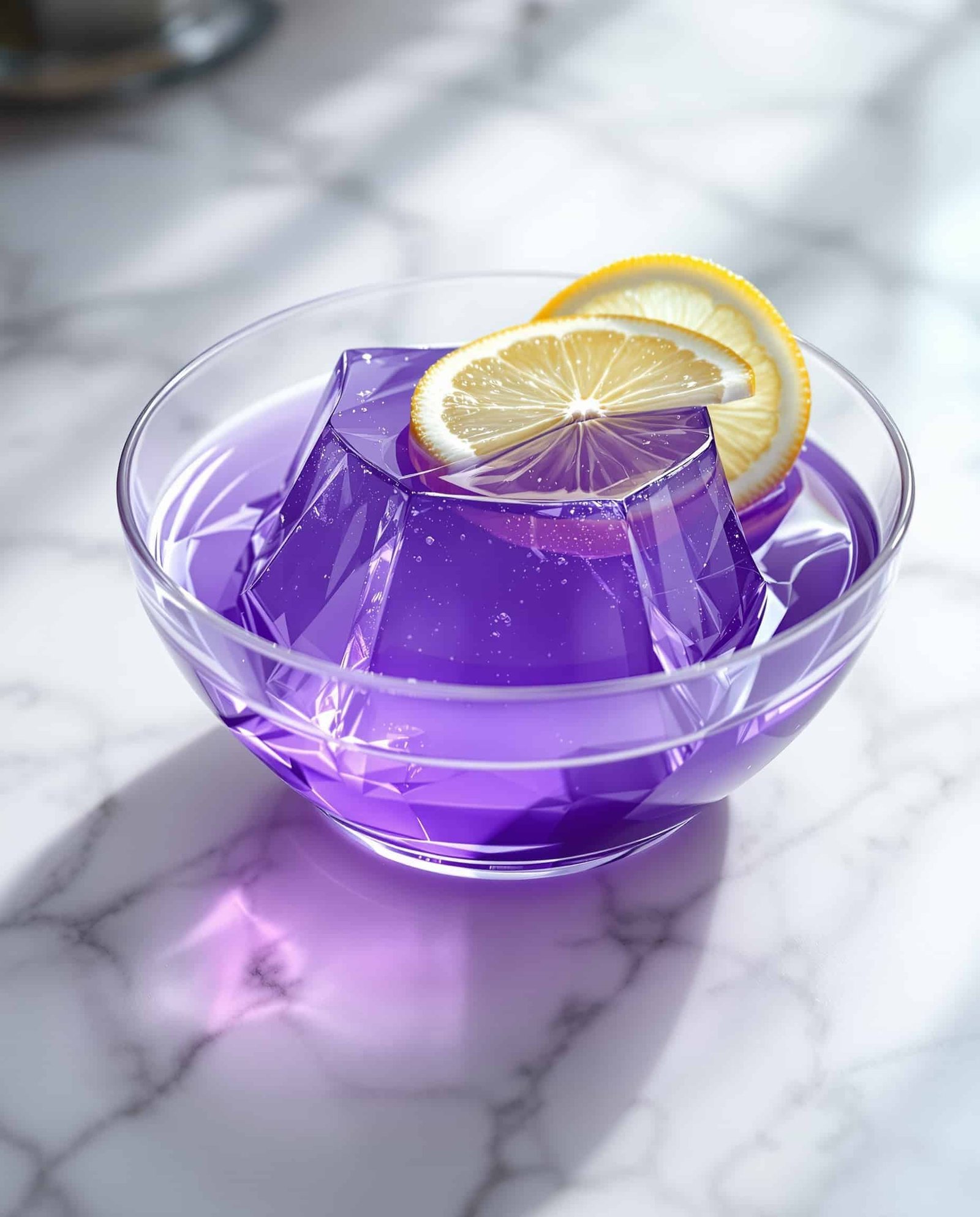
Serve these rose-transparent pink cubes chilled, perhaps with a single fresh lemon slice for a bright, contrasting garnish. They make an excellent light dessert, a refreshing snack between meals, or even a palate cleanser. Avoid pairing this with high-calorie, high-sugar items like whipped cream or sugary fruit sauces, as that defeats the purpose of its low-calorie design. Keep it simple and let the clean flavors shine. This is about making smart choices, not just for the dish itself, but for the entire meal context.
Storage Instructions
Store the set rose-transparent gelatin cubes in an airtight container in the refrigerator for up to 5-7 days. While it technically can be frozen, the texture will become grainy and unpleasant upon thawing, so it’s not recommended. For best quality, consume within 3-4 days. If you’ve made a large batch, consider cutting only what you plan to eat within a day or two and keeping the rest in the larger dish to prevent it from drying out.
Frequently Asked Questions
Can I use sugar instead of erythritol?
Yes, but this will significantly increase the calorie and carbohydrate content, making it less suitable for bariatric or strict weight loss diets. We recommend sticking to calorie-free sweeteners.
Why is gelatin good for weight loss?
Gelatin is almost pure protein, which is highly satiating and low in calories. It helps you feel full, supports muscle mass, and is easily digestible, all beneficial for weight management.
Is this recipe suitable immediately after bariatric surgery?
Always consult your bariatric surgeon or dietitian for specific post-operative dietary guidelines. While this is a common type of food for later stages, individual recovery plans vary greatly.
Can I add fruit to this recipe?
Adding fresh fruit can be a great idea, but be mindful of the sugar and calorie content. Choose low-sugar fruits like berries in moderation, and add them after the gelatin has cooled slightly but before it sets, to prevent them from sinking.
How much weight can I expect to lose with recipes like this?
Weight loss is complex. Recipes like this support a calorie deficit, which is essential for losing weight. Healthy, sustainable weight loss is typically around 1-2 pounds (0.5-1 kg) per week, achieved through consistent dietary changes and increased activity, not just one recipe.
Conclusion
There you have it: a simple, elegant, and genuinely helpful Dr Oz bariatric weight loss recipe. This rose-transparent gelatin isn’t about deprivation; it’s about making smart, informed choices that align with your health goals. Remember, I’m not a doctor, but I’m here to simplify the science and share what diligent research suggests. Sustainable weight loss is a journey of understanding your body, making conscious decisions, and celebrating small victories. Use this recipe as a tool, not a crutch. Combine it with a balanced overall diet and regular movement, and you’re well on your way to achieving your health aspirations. Keep learning, keep moving, and keep making choices that empower you.