Mastering Gelatin Substitutes for Perfect Desserts

Discover the best gelatin substitutes to achieve the perfect wobble in your desserts. This guide helps you choose between agar, pectin, and more.
Creating a beautiful, wobbly dessert is a rewarding skill, but sometimes you need to look beyond traditional gelatin. Whether you are seeking a plant-based alternative or simply ran out of supplies, the world of thickeners offers excellent options. Choosing the right substitute depends entirely on the texture you desire for your final dish. From the firm snap of agar to the gentle jammy quality of pectin, each ingredient behaves uniquely. This guide will walk you through the science of setting liquids to help you navigate your next kitchen project with total confidence. We believe that every cook deserves the tools to craft stunning, translucent desserts at home.
Table of Contents
Table of Contents
The Science of the Perfect Set
The Mechanics of Gel-Setting
Achieving a professional, wobbly texture without traditional gelatin involves mastering hydrocolloids, which are substances that form a gel network when dispersed in water. While gelatin is a protein that creates a thermo-reversible matrix—melting precisely at body temperature—its substitutes rely on different molecular interactions. Agar forms a brittle, heat-stable mesh, pectin relies on sugar-acid synergy, and starches create a thick, viscous paste. Understanding these nuances is critical because these agents do not behave identically when exposed to heat, acidity, or various sugar concentrations.
The secret to a successful substitution lies in the cooling process and the concentration of the setting agent. Gelatin is remarkably forgiving, but alternatives like agar require strict measurement; too little results in a runny, unstable mess, while too much yields a rubbery, unpleasant mouthfeel. You must also account for the pH level of your liquid base. Highly acidic environments can weaken pectin or starches, requiring adjustments to your cooking time or the addition of buffering agents. Professional results demand a disciplined approach to temperature control and precise hydration phases. By acknowledging that each substitute has a unique 'setting point,' you can manipulate cooling times to achieve the desired structure. Whether you aim for the delicate firmness of a panna cotta or the robust hold of a fruit jelly, the key is observing how the molecular chains bridge together as the temperature drops. Avoiding shortcuts, such as failing to fully hydrate your thickeners, ensures a clean texture free of lumps or unwanted graininess, providing a consistent, delightful sensory experience in every bite.
Agar-Agar: The Plant-Based Powerhouse
Mastering Algae-Based Gelling
Agar-agar, derived from red algae, is the most robust plant-based substitute available. It is significantly more potent than gelatin, often requiring a ratio of approximately 1 teaspoon of powder to 1 cup of liquid for a firm set. Because it is heat-stable, it does not melt at room temperature, making it ideal for warm-weather desserts. However, its high melting point means it can set rapidly if not managed correctly, sometimes resulting in a 'crunchy' or brittle texture if the liquid cools too quickly before pouring.
- Always whisk agar into cold liquid thoroughly before applying heat to prevent clumping.
- The mixture must reach a full, rolling boil at approximately 185°F to 212°F (85°C-100°C) to fully hydrate the seaweed particles.
- It sets rapidly at room temperature, usually around 95°F to 105°F, so have your molds ready immediately after cooking.
A common mistake when using agar is failing to reach the boiling point; if the agar does not reach its activation temperature, the dessert will simply remain a viscous liquid. Conversely, do not attempt to 'bloom' agar in cold water like you would with protein-based gelatin, as it does not dissolve without heat. If you find your result is too firm, reduce your ratio to 1/2 or 3/4 teaspoon per cup to achieve a softer, more gelatin-like wobble. Because agar is flavor-neutral, it carries the profile of your ingredients cleanly, but remember that it creates a firmer, less elastic structure than animal proteins. If the final product feels too stiff, whisking the mixture again after it has begun to set can create a softer, creamier consistency for specific applications like mousses or custards.
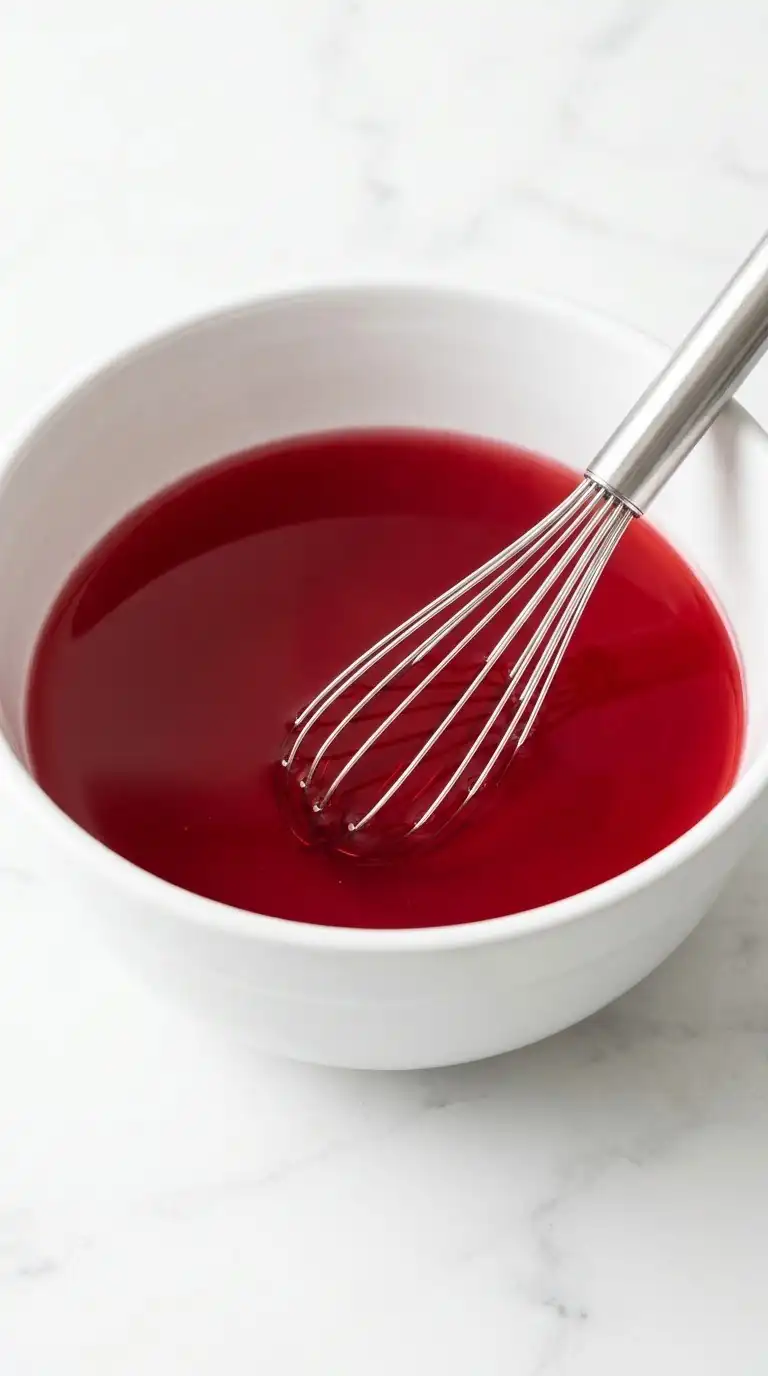
Pectin: The Fruit-Friendly Thickener
The Science of Fruit-Based Thickeners
Pectin is a structural carbohydrate found in the cell walls of fruits, making it the most natural choice for jams and fruit-forward desserts. To use it effectively, you must distinguish between high-methoxyl (HM) and low-methoxyl (LM) varieties. HM pectin requires a high sugar content—typically over 55%—and a low pH (acidic) environment to create a gel. This makes it perfect for traditional preserves but less ideal for low-sugar recipes. In contrast, LM pectin is calcium-activated, meaning it will set in the presence of calcium ions rather than relying strictly on sugar, offering greater versatility for modern, health-conscious, or tart culinary creations.
When working with pectin, avoid over-boiling the mixture. While agar requires a vigorous boil, prolonged high heat can degrade pectin’s structure, leading to a runny, failed set. Aim for a quick boil followed by immediate cooling. For a soft, spoonable texture, use roughly 1 to 2 tablespoons of commercial pectin powder per quart of fruit purée, adjusting based on the natural pectin levels of the fruit being processed. Mistakes often occur when fruit is added to the mixture after the pectin has been activated; always ensure the fruit and pectin are well-incorporated during the heating phase to guarantee a uniform texture. Because pectin provides a cleaner mouthfeel and a bright, vibrant flavor profile, it is unmatched for jellies or fruit glazes. If your mixture remains too thin, you can often save it by re-heating with a small addition of lemon juice to adjust the pH, or by incorporating a tiny amount of calcium powder if using an LM variety.
Essential Ratios for Success
| Ingredient | Typical Ratio (per 2 cups liquid) | Setting Temperature |
|---|---|---|
| Gelatin | 1 tablespoon (approx. 10g) | 40°F (4°C) |
| Agar Powder | 1 to 1.5 teaspoons | 95°F (35°C) |
| Fruit Pectin | 2 to 3 tablespoons | 120°F (49°C) |
| Cornstarch | 3 to 4 tablespoons | Requires cooling |
Why Cornstarch Is Not a True Substitute
Understanding Starch vs. Gelling Agents
Many beginners reach for cornstarch when they are out of gelatin, but it is vital to understand that cornstarch is a starch thickener, not a gelling agent. While it will thicken a liquid into a custard or pudding, it will never provide that crystal-clear, bouncy, and unmoldable structure you expect from a gelatin-based dessert. If you are looking for that specific clean-cut, ruby-red, translucent look, avoid cornstarch and opt for agar instead. Cornstarch yields an opaque, creamy finish rather than the glistening clarity of a properly set mold.