Gelatin Ratio & Conversion Guide: Powder vs Sheets

Master the perfect gelatin to water ratio for consistent desserts. Learn to convert sheets and powder easily using our simple guide and conversion chart.
Getting the right gelatin to water ratio is the true secret behind every stunning dessert, whether you are crafting a soft spoonable panna cotta or a crystal-clear unmolded amber dome. Many home cooks feel intimidated by gelatin because using a fraction too much creates a rubbery texture, while using too little leaves you with an unappealing liquid soup. Working with gelatin is actually straightforward once you master a few fundamental rules regarding powder weight, sheet grades, and liquid volumes. In this comprehensive guide, we break down the exact gelatin powder to water ratio you need for any project, compare sheets versus powder, and share detailed conversion charts. By following these practical steps, your gelatin desserts will achieve that picture-perfect balance of clean sliceability and delicate wobble.
Table of Contents
Table of Contents
Understanding the Core Gelatin to Water Ratio
Achieving the perfect set in your gelatin desserts depends entirely on understanding the core gelatin to water ratio. Gelatin is a protein derived from collagen that creates a flexible, three-dimensional network when dissolved in hot liquid and chilled. This matrix traps water droplets, turning liquid mixtures into solid gels. However, the thickness and elasticity of that gel depend entirely on the proportion of gelatin granules or sheets relative to the liquid volume.
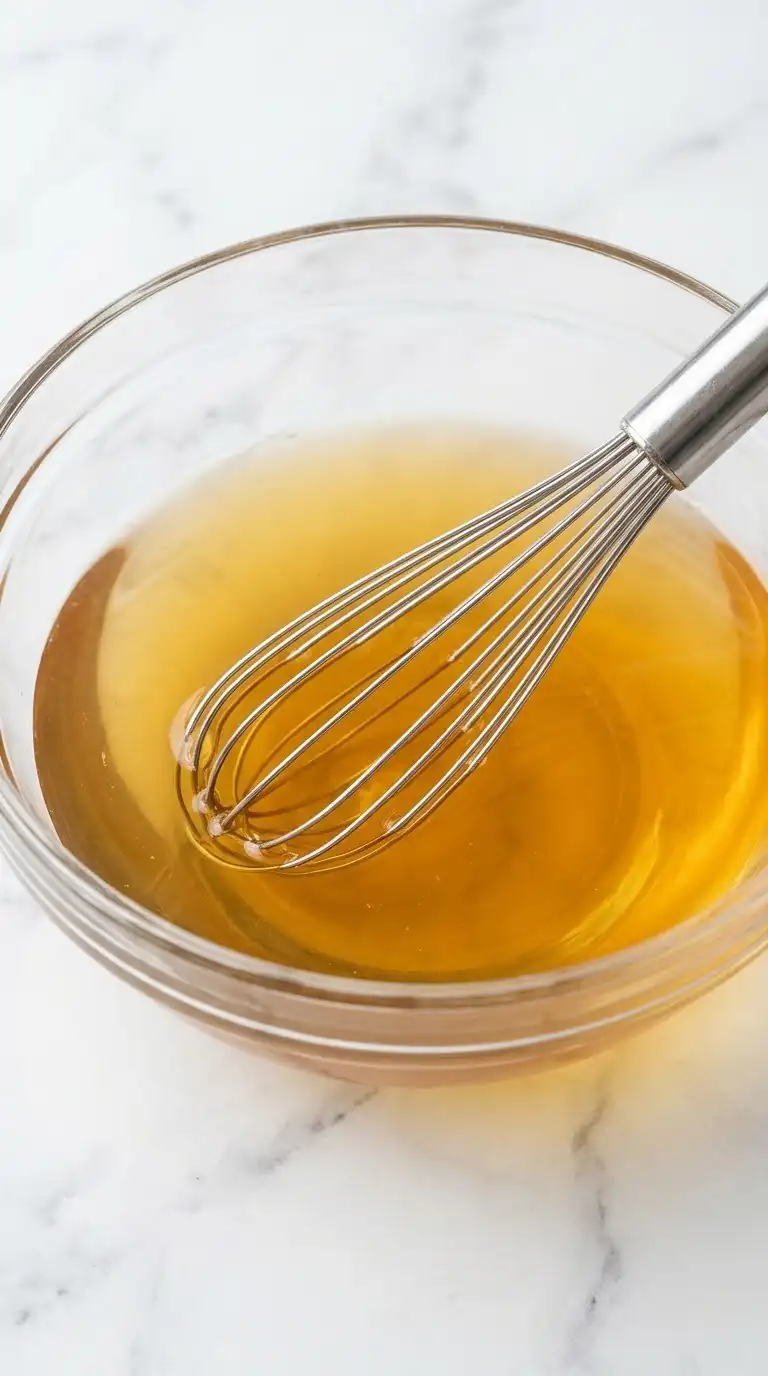
The standard baseline standard ratio for a classic home dessert is one envelope of unflavored powdered gelatin (which weighs approximately 7 grams, or roughly 2.5 level teaspoons) per 2 cups (475 ml) of total liquid. This produces a medium-soft set that holds its shape nicely in a serving dish while offering a soft, melt-in-your-mouth feel. If your recipe requires an unmolded form—such as a classic clear amber-colored gelatin dessert served on a plate—you will need a higher ratio of gelatin to water to give the mold sufficient wall strength.
The Science of Gel Strength (Bloom Rating)
Commercial gelatin is graded using a system called the Bloom scale, named after inventor Oscar T. Bloom. Bloom ratings range from roughly 50 to 300, indicating the firmness and elasticity of the gel matrix. Most consumer supermarket powders fall between 200 and 225 Bloom. Understanding this rating helps explain why adjusting your jello water ratio is necessary when switching between commercial brands or professional pastry supplies. Higher Bloom gelatin requires less powder per cup of liquid than lower Bloom alternatives to achieve identical firm results.
- Soft Set (Verre & Cup Desserts): 0.75 to 1 teaspoon powder per 1 cup liquid. Ideal for soft spoonable textures.
- Standard Medium Set (Molded Dessert Cups): 1.25 teaspoons powder per 1 cup liquid. Offers a pleasant wobble while maintaining structure.
- Firm Unmolded Set (Domes & Sliced Shapes): 1.5 to 2 teaspoons powder per 1 cup liquid. Provides crisp cut edges and clean release from intricate molds.
Gelatin Powder vs. Sheets: How to Convert Accurately
Home cooks frequently encounter recipes listing sheet gelatin (also called leaf gelatin) rather than traditional envelope powder. While both forms are pure collagen proteins, their application methods and measurement techniques differ. Powdered gelatin is measured by volume (teaspoons) or weight (grams), whereas leaf gelatin is counted by individual sheets. Because manufacturers adjust sheet thickness so that one sheet of any grade sets roughly the same volume of liquid, mastering the conversion between sheet gelatin and powder is essential for flexible cooking.
Gelatin sheets are categorized into four standard grades based on strength: Bronze, Silver, Gold, and Platinum. A single sheet of Bronze weighs approximately 3.3 grams, Silver weighs 2.5 grams, Gold weighs 2.0 grams, and Platinum weighs 1.7 grams. Despite these different weights, one sheet of Gold gel has nearly equivalent setting power to one sheet of Silver gel because higher grades feature a higher Bloom strength per gram. When translating powder to sheets, the general rule of thumb is that one standard packet of powder (7 grams) equals 4 standard Silver or Gold sheets.
Quick Powder to Sheet Conversion Rules
When adjusting your gelatin ratio water measurements between formats, keep these simple equivalents in mind for easy kitchen math:
- 1 Envelope Powder (7g / ~2.5 tsp): Equals 4 Silver Sheets or 4 Gold Sheets.
- 1 Teaspoon Gelatin Powder (~2.8g): Equals 1.5 Silver Sheets or 1.5 Gold Sheets.
- 1 Sheet (Gold or Silver Grade): Sets approximately 1/2 cup (120 ml) of liquid for a medium set.
Using weight scale measurements ensures the highest level of precision, especially when scaling large dessert batches. If your recipe calls for 10 grams of gelatin powder, simply weigh out 10 grams of sheet gelatin regardless of sheet count.
Master Gelatin Conversion & Ratio Chart
To simplify your dessert preparation, we have compiled a comprehensive reference chart illustrating the ideal jello ratio to water for various culinary applications. Whether you are aiming for a delicate dessert cream or a firm, sliceable geometric gel, this chart provides accurate measurements for both powdered and sheet gelatin, alongside necessary blooming liquid volumes and expected setting times.
| Desired Texture / Set Type | Total Liquid Volume | Gelatin Powder (Grams / Tsp) | Sheet Gelatin (Gold / Silver) | Blooming Water Volume | Refrigeration Setting Time |
|---|---|---|---|---|---|
| Soft Spoonable Gel (Cream/Panna Cotta) | 2 Cups (475 ml) | 4.0 g / 1.5 tsp | 2 Sheets | 3 tbsp (45 ml) cold water | 3 to 4 Hours |
| Standard Medium Set (Dessert Cups) | 2 Cups (475 ml) | 7.0 g / 2.5 tsp | 4 Sheets | 4 tbsp (60 ml) cold water | 4 to 6 Hours |
| Firm Unmolded Dome (Clean Release) | 2 Cups (475 ml) | 10.5 g / 3.75 tsp | 6 Sheets | 6 tbsp (90 ml) cold water | 6 to 8 Hours |
| Extra-Firm Sliceable Block (Finger Gel) | 2 Cups (475 ml) | 14.0 g / 5.0 tsp | 8 Sheets | 8 tbsp (120 ml) cold water | 8 to 12 Hours |
Key Takeaways from the Chart
Notice how doubling the weight of gelatin transforms the structural strength from a gentle, melting soft set to an extra-firm block. When creating an unmolded dessert—like a clear amber dome that needs to stand firm and stable on a porcelain plate without sagging—the gelatin ratio to water must lean toward the firm end of the spectrum (10.5 grams per 2 cups liquid). This ensures the surface remains glossy, smooth, and structural under ambient dining temperatures.
How to Bloom Gelatin in Water for Maximum Strength
Blooming is the crucial first step in preparing gelatin. It involves hydrating dry gelatin granules or sheets in cold liquid before exposure to heat. Skipping or rushing this hydration step ruins your gelatin ratio with water because unbloomed granules remain clumped together, preventing full protein activation and resulting in a gritty texture with weak setting power.
To bloom powdered gelatin properly, measure out cold tap water or cold fruit juice into a small bowl. The standard gelatin powder to water ratio for blooming is 1 part gelatin powder to 5 parts cold water by weight. Sprinkle the powder evenly across the surface of the cold water in a thin, uniform layer. Avoid dumping the powder in a single mound, as center granules will stay dry. Let the mixture stand undisturbed for 5 to 10 minutes until the powder absorbs all liquid and expands into a thick, uniform sponge.
Blooming Gelatin Sheets Correctly
Sheet gelatin requires a slightly different blooming procedure:
- Step 1 (Cold Soak): Submerge individual sheets one by one in a large bowl filled with cold water. Ensure they are completely covered.
- Step 2 (Wait): Allow sheets to soak for 5 to 7 minutes until soft, pliable, and fully hydrated.
- Step 3 (Squeeze): Gently lift sheets from the cold water and squeeze out excess moisture between your palms.
- Step 4 (Melt): Stir the hydrated sheets immediately into your warm base liquid until fully dissolved.