Instructions
- In a small saucepan, bring 1 cup (240ml) of filtered water to a gentle simmer. Remove from heat and add the chamomile tea bags (or loose leaf in an infuser). Let steep for 5-7 minutes for a strong infusion. Remove tea bags/infuser, squeezing gently to extract all liquid.
- While the tea is steeping, pour the remaining 1 cup (240ml) of cold filtered water into a medium-sized heatproof bowl. Sprinkle the gelatin powder evenly over the cold water. Let it ‘bloom’ for 5 minutes, allowing the gelatin to absorb the water and swell.
- Once the chamomile tea is steeped, pour the hot tea directly over the bloomed gelatin in the bowl. Whisk continuously for 1-2 minutes until the gelatin is completely dissolved and no granules remain. It’s crucial that the tea is hot enough to fully dissolve the gelatin.
- Stir in the maple syrup (or honey), vanilla extract, and a pinch of sea salt. Taste and adjust sweetness if desired. Remember, this is meant to be a subtle, calming treat, not an overly sweet dessert.
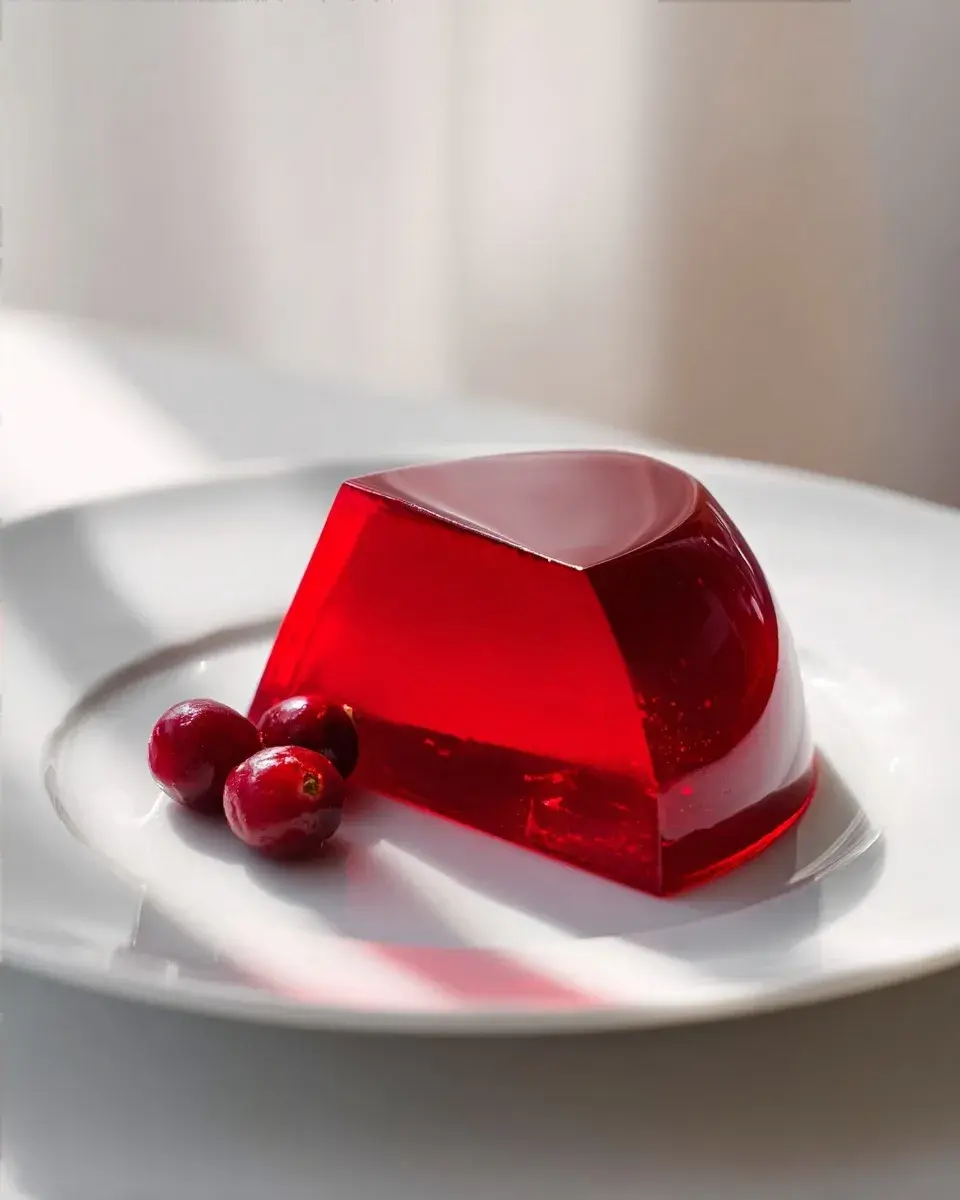
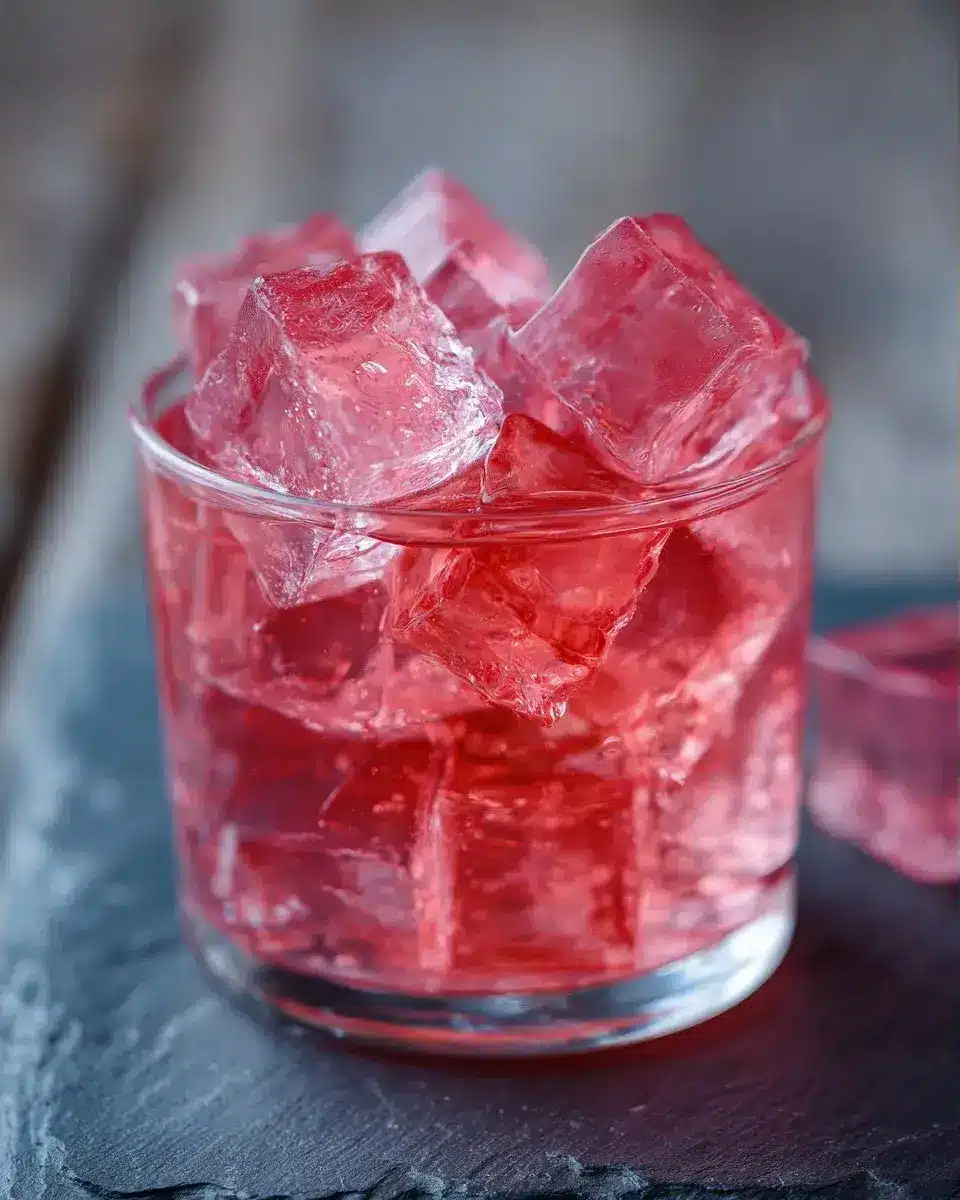
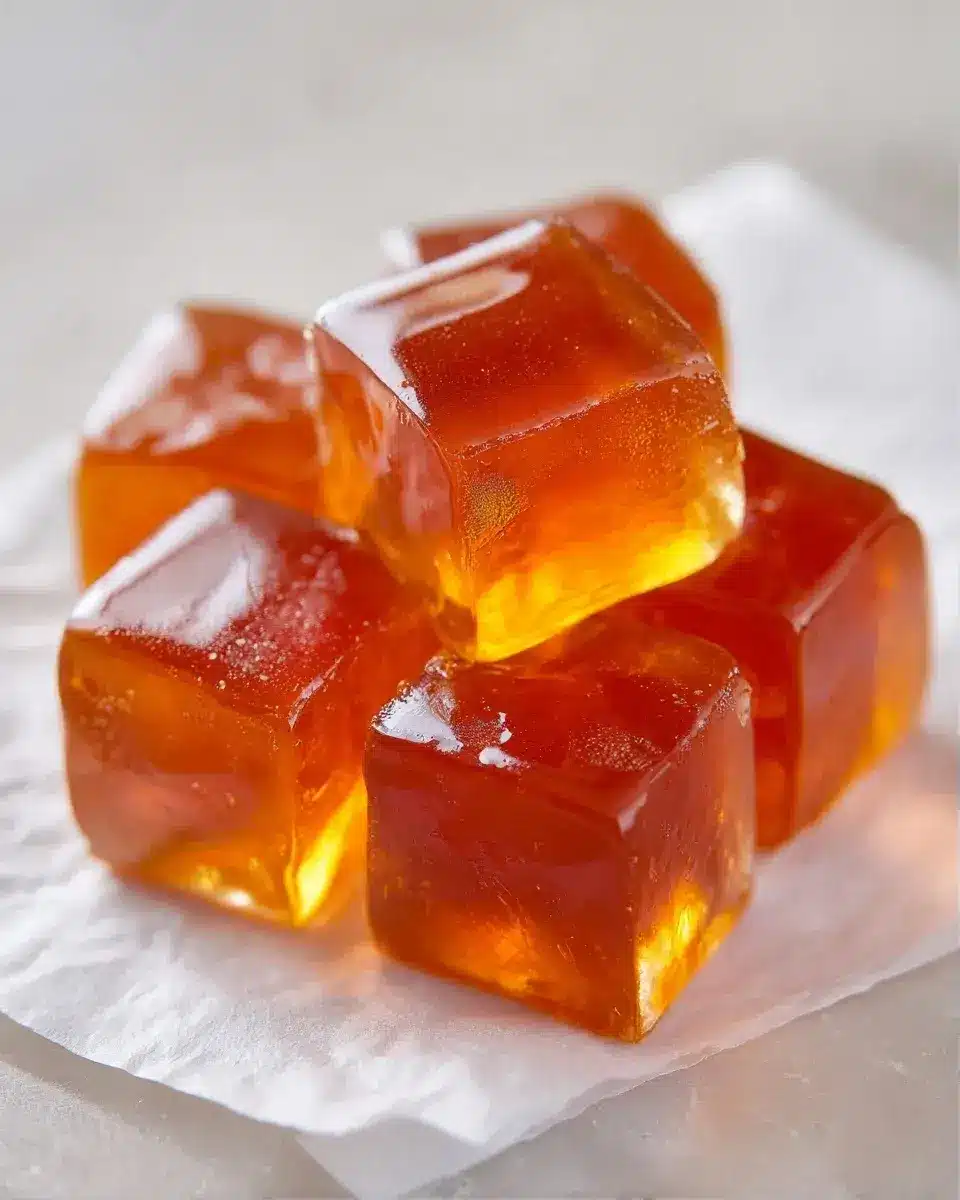
- Carefully pour the mixture into four small ramekins, glass jars, or serving dishes. Place them in the refrigerator and chill for at least 2-4 hours, or until fully set and firm. The longer they chill, the firmer they will become.
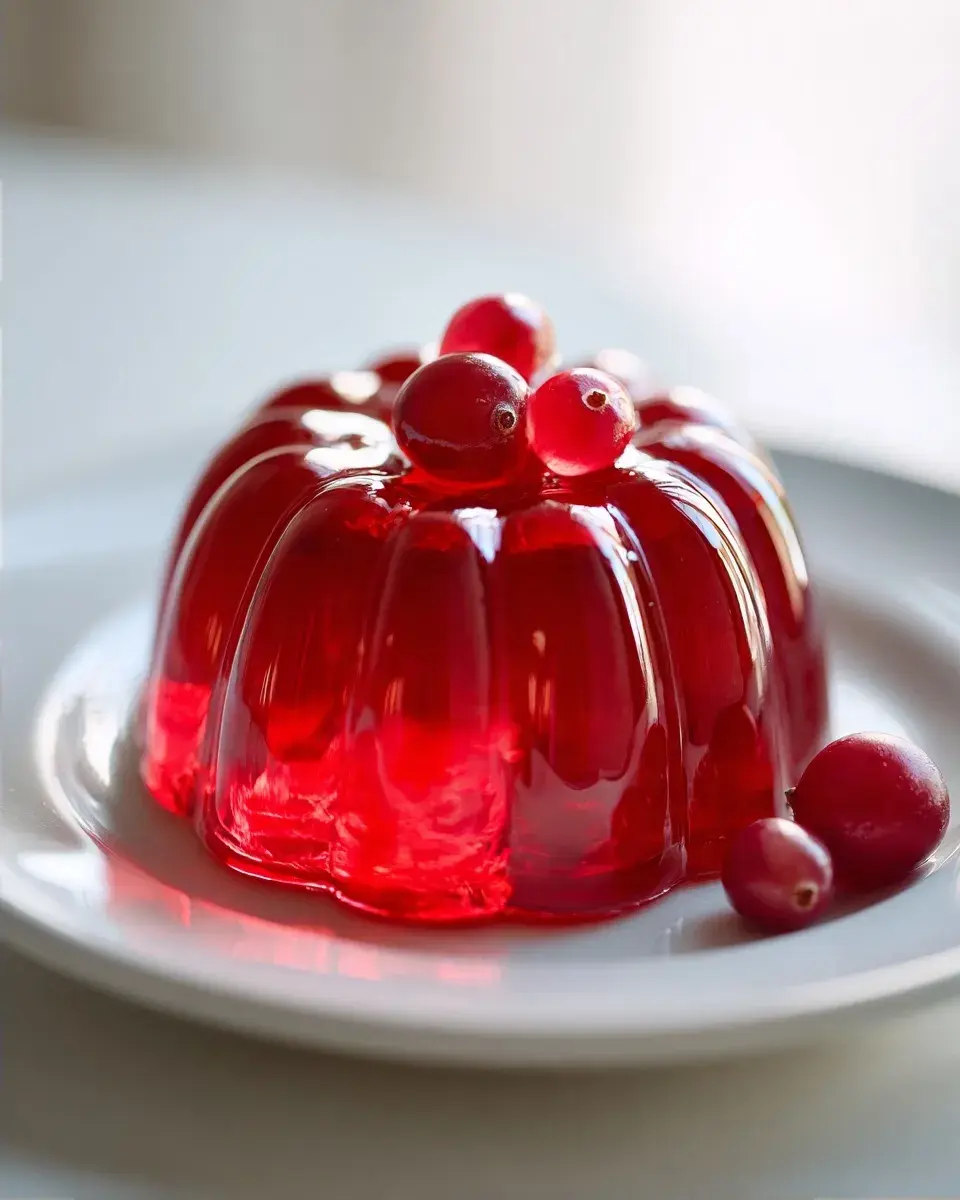
- Serve chilled. Enjoy this silky, soothing treat as part of your evening wind-down routine, ideally an hour or so before bed.
Terminology Decoded
| Term | Explanation | Why it matters here |
|---|---|---|
| Gelatin | A protein derived from collagen, primarily found in animal connective tissues. It forms a gel when dissolved in hot water and then cooled. | The star ingredient, gelatin gives this recipe its unique silky texture and provides a source of protein. |
| Chamomile | An herb widely used in traditional medicine for its calming properties. It contains compounds like apigenin that may promote relaxation. | Infused in the water, chamomile adds a soothing flavor and its traditional calming effects to the sleep recipe. |
| Apigenin | A flavonoid found in chamomile that may bind to benzodiazepine receptors in the brain, potentially reducing anxiety and initiating sleep. | This compound is thought to be responsible for chamomile’s relaxing effects, contributing to the ‘sleep’ aspect of the recipe. |
Let’s Be Honest
The Truth About This Recipe: Let’s be clear – this ‘gelatin trick’ isn’t a magic pill for weight loss or instant sleep. There’s no food that ‘burns fat’ while you sleep. Weight loss happens when you consistently consume fewer calories than your body uses over time. This recipe is a low-calorie, protein-rich snack that can contribute to satiety and a sense of calm, which *might* indirectly support better sleep and a calorie deficit if it replaces a higher-calorie, less nutritious evening snack. But it’s not a standalone solution.
A Gentle Reminder About Movement
Remember, food is only one part of the wellness puzzle. Incorporating regular physical activity into your day is crucial for overall health, energy levels, and even sleep quality. Even a brisk 30-minute walk can burn around 150-200 calories, making a significant difference in your calorie deficit journey over time. Find movement you enjoy!
Delicious Variations
To make this recipe keto-friendly, substitute the maple syrup or honey with a sugar-free sweetener like erythritol or stevia to taste. For a low-carb version, simply reduce the amount of maple syrup significantly. If you’re following a Mediterranean-style diet, this recipe fits well as a light, natural dessert, especially if you opt for honey and ensure your chamomile is organic. You could also add a squeeze of fresh lemon juice for a brighter flavor, or a tiny pinch of ground cinnamon for warmth.
Smarter Swaps
While this recipe is already quite light, you can make it even ‘healthier’ by reducing the sweetener further or opting for a calorie-free, natural sweetener like stevia or monk fruit, which significantly lowers the calorie and carb count (WHY: reduces added sugars, which contribute to excess calories). You could also infuse other calming herbs like lavender or lemon balm along with the chamomile (WHY: expands on the calming benefits without adding calories). Using a high-quality, grass-fed gelatin powder can also be a good choice for those prioritizing ingredient sourcing (WHY: potentially better amino acid profile, though not a significant calorie difference).
How to Serve It
This silky chamomile gel is best served chilled and plain, allowing its subtle flavors and texture to shine. Avoid pairing it with heavy, sugary toppings like whipped cream or chocolate syrup, as these would counteract the light, calming intention of the recipe and add unnecessary calories right before bed. If you desire a garnish, a tiny sprinkle of dried chamomile flowers or a single fresh mint leaf can add visual appeal without compromising its purpose. Remember, the goal is gentle satiety, not a decadent dessert.
Keeping It Fresh
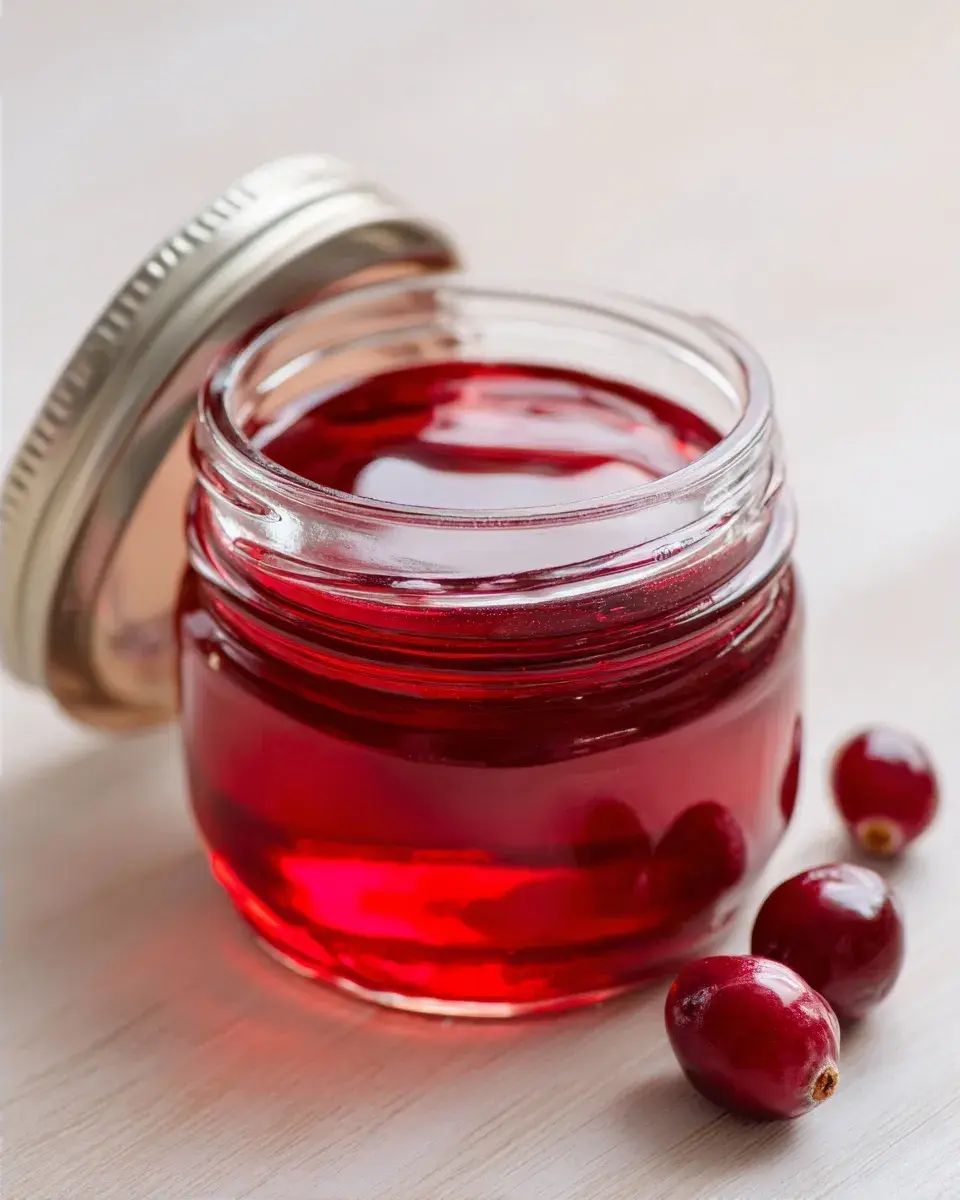
Store individual servings of the chamomile gelatin in airtight containers in the refrigerator. This will help prevent them from absorbing odors from other foods and maintain their freshness. They will keep well for up to 3-4 days. While they won’t ‘go bad’ immediately, the texture might start to degrade slightly after the fourth day. Freezing is not recommended, as it will alter the delicate gel texture upon thawing, making it watery and unappetizing.
Your Questions, Answered
Can I use any type of gelatin for this recipe?
It’s best to use unflavored gelatin powder, often found in the baking aisle. Collagen peptides are different and won’t set into a firm gel like traditional gelatin powder will, so stick to gelatin for the desired texture.
Will this recipe really help me sleep better?
While chamomile is traditionally used for its calming properties and gelatin can contribute to satiety, this recipe is not a guaranteed sleep aid. It’s a low-calorie, soothing treat that can be part of a relaxing evening routine, which *may* indirectly support better sleep for some individuals. It’s not a medical treatment for insomnia.
How does this fit into a weight loss plan?
This recipe is very low in calories, making it a good choice if you’re in a calorie deficit. Its protein content from gelatin can help with satiety, potentially reducing cravings for higher-calorie snacks before bed. However, true weight loss comes from consistent calorie deficit over time, not from any single food item.
Can I make this vegan?
Unfortunately, no. Gelatin is an animal-derived product. For a vegan alternative, you would need to use agar-agar powder, but the texture will be slightly different – often firmer and less ‘wiggly’ than gelatin. You’d also need to adjust the quantities and preparation method for agar-agar.
Is it safe to eat gelatin every day?
For most healthy individuals, consuming gelatin daily in moderate amounts is generally considered safe. It’s a protein source. However, if you have specific health conditions or dietary concerns, it’s always wise to consult with a healthcare professional or registered dietitian.
Wrapping Up
There you have it: the ‘gelatin trick’ chamomile sleep recipe. This isn’t about chasing a miracle cure, but rather about embracing simple, mindful choices that can support your well-being. By understanding the role of ingredients like calming chamomile and satiating gelatin, you can create a gentle evening ritual that speaks to your body’s need for rest and nourishment. Remember, true health and sustainable weight management come from a holistic approach – balanced nutrition, consistent movement, and adequate sleep. This silky treat can be a small, enjoyable piece of that larger puzzle, helping you wind down without derailing your goals. So, brew your tea, bloom your gelatin, and enjoy a moment of calm. Your body, and your sleep, might just thank you for it.