Let’s be honest: losing weight isn’t about magic potions or restrictive diets that make you miserable. It’s about understanding your body, nourishing it wisely, and finding sustainable habits. One incredibly powerful concept comes from the Okinawans: ‘Hara Hachi Bu’ – eating until you are 80% full. This isn’t just a mindful eating practice; it’s a profound approach to portion control and satiety that can significantly aid in weight management. This hara hachi bu meal recipe is designed to help you practice just that. It’s perfectly balanced, visually appealing, and provides satisfying flavors without overstuffing you. No more feeling deprived, just smart, delicious eating.
| Prep Time | 20 minutes | Cook Time | 25 minutes |
| Servings | 2 | Calories | 380 kcal |
Ingredients
- 150g boneless, skinless chicken breast, thinly sliced
- 1 tbsp low-sodium soy sauce
- 1 tsp grated fresh ginger
- 1/2 tsp sesame oil
- 100g brown rice
- 200ml water
- 1 cup mixed greens (spinach, arugula, kale)
- 1/2 red bell pepper, thinly sliced
- 1/2 cucumber, julienned
- 1/4 cup edamame, shelled
- 1 tbsp rice vinegar
- 1 tsp honey or maple syrup
- petite natural food coloring (1 tsp)
- Pinch of sea salt
- Black sesame seeds for garnish
Recommended Tools You’ll Need
| Tool | Why You Need It |
|---|---|
| Small Saucepan with Lid | Essential for perfectly cooking brown rice, ensuring even heat distribution and proper absorption of water. |
| Non-Stick Skillet | Ideal for cooking chicken with minimal oil, preventing sticking and making cleanup a breeze. |
| Sharp Knife and Cutting Board | Crucial for precise slicing and dicing of vegetables and chicken, contributing to an elegant presentation. |
| Whisk | Ensures your dressing ingredients are thoroughly combined and emulsified for a consistent flavor. |
Instructions
- Rinse brown rice thoroughly. In a small saucepan, combine brown rice and water. Bring to a boil, then reduce heat to low, cover, and simmer for 20-25 minutes, or until water is absorbed and rice is tender. Let stand, covered, for 5 minutes, then fluff with a fork.
- While rice cooks, prepare the chicken. In a bowl, combine sliced chicken breast, low-sodium soy sauce, grated ginger, and sesame oil. Marinate for at least 10 minutes.
- Heat a non-stick pan over medium-high heat. Add the marinated chicken and cook for 3-5 minutes, stirring frequently, until cooked through and lightly browned. Remove from pan and set aside.
- In a small bowl, whisk together rice vinegar, honey/maple syrup, petite natural food coloring, and a pinch of sea salt to create the dressing. The color should be petite.
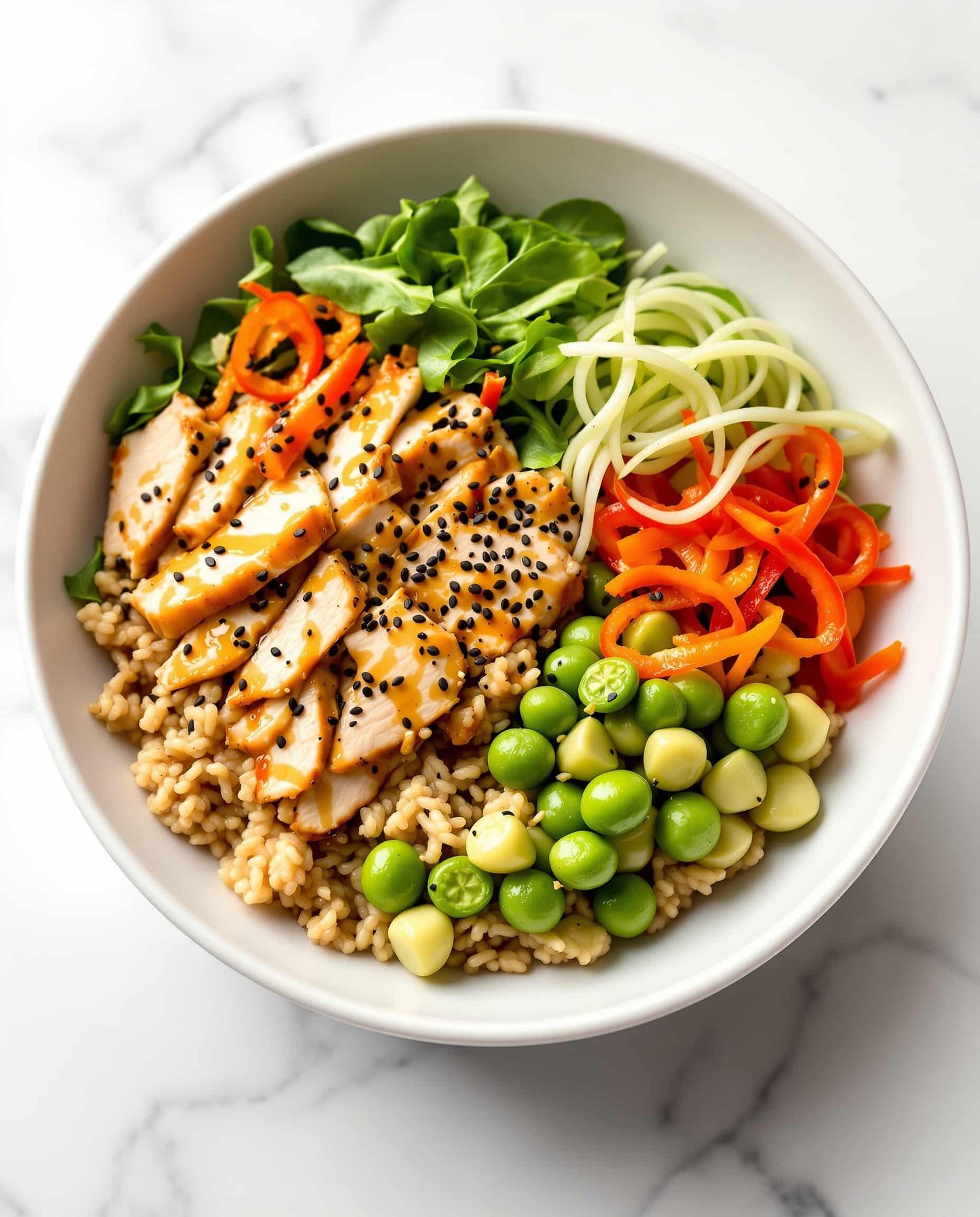
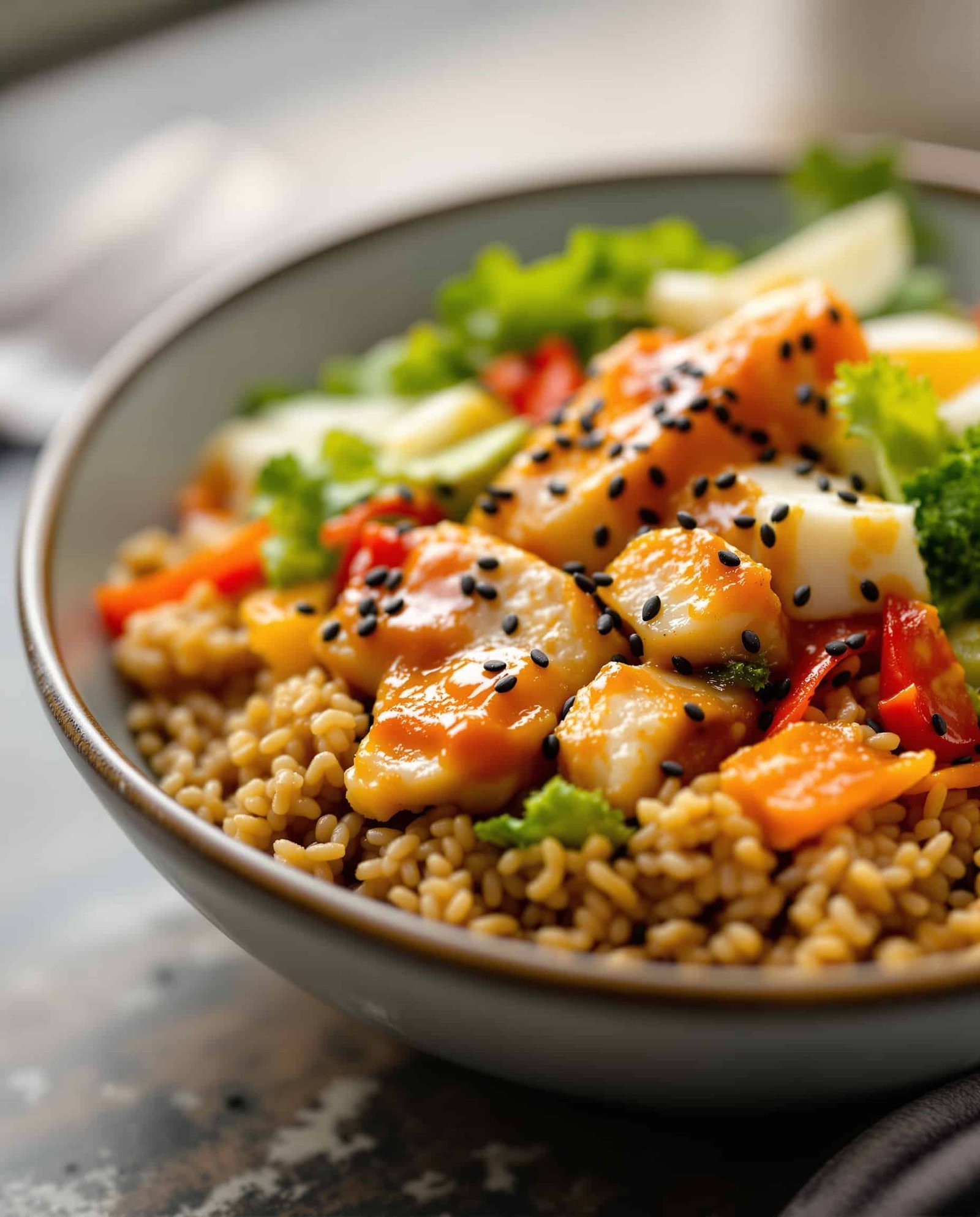
- Assemble the bowls: Divide the fluffed brown rice between two petite assiettes élégantes. Arrange mixed greens, sliced red bell pepper, julienned cucumber, cooked edamame, and cooked chicken artfully around the rice, ensuring a colorful and balanced presentation.
- Drizzle the petite-colored dressing over each bowl. Garnish with black sesame seeds for added texture and visual appeal. Serve immediately and practice eating until you are 80% full.
Calorie Reality
At 380 calories per serving, this Hara Hachi Bu meal recipe represents a smart and satisfying component of a typical 1500-2000 kcal daily budget. For someone aiming for a 1600-calorie day, this meal would account for roughly 24% of their intake, leaving ample room for other balanced meals and snacks without feeling deprived. It’s a cornerstone for a calorie-controlled approach.
About Your Daily Budget: Your Total Daily Energy Expenditure (TDEE) is the number of calories your body burns in a day, including basal metabolic rate, activity, and digestion. To lose weight, you generally need to consume slightly fewer calories than your TDEE, creating a calorie deficit.
Diet Compatibility
Compatible with: Mediterranean Diet (with minor adjustments), Flexitarian, Pescatarian (substitute chicken with fish), Mindful Eating
Not compatible with: Keto Diet, Carnivore Diet, Strict Paleo Diet (due to rice and soy)
Warning: Mixing Diets: Mixing and matching diet approaches without a clear understanding can be counterproductive and even harmful. For example, combining a high-carb meal with a high-fat meal can lead to excess calorie intake and promote lipogenesis (fat storage) more readily than if fats and carbs were managed strategically. Stick to one well-researched approach or consult a dietitian to create a personalized, balanced plan that avoids contradictory principles and supports your body’s metabolic processes effectively.
Expert Tips
To truly integrate ‘Hara Hachi Bu’ into your life, eat slowly and mindfully. Put your fork down between bites, savor each flavor, and pay attention to your body’s signals of fullness, not just hunger. This practice helps you recognize that 80% full point before you’re uncomfortably stuffed. For weight loss, consider prepping all your ingredients at the beginning of the week. Having healthy components ready to assemble dramatically reduces the chances of reaching for less nutritious options when hunger strikes.
Macros Breakdown
This meal offers an excellent macro balance. The high protein from chicken and edamame promotes satiety and muscle preservation, crucial for weight loss. Complex carbohydrates from brown rice and vegetables provide sustained energy and fiber, keeping you full longer. Healthy fats from sesame oil contribute to nutrient absorption and overall satisfaction, preventing unnecessary cravings.
Nutrition Information (per serving)
| Calories | Protein | Carbs | Fat | Fiber |
|---|---|---|---|---|
| 380 kcal | 28g | 45g | 10g | 7g |
Key Terms Explained
| Term | Explanation | Why it matters here |
|---|---|---|
| Hara Hachi Bu | An Okinawan Confucian teaching that advises people to eat until they are 80% full, not completely stuffed. | This recipe is designed with mindful portions to help you practice stopping when 80% full, preventing overeating. |
| Satiety | The feeling of fullness and satisfaction after eating, which suppresses hunger for a period of time. | The protein and fiber in this meal are key components that increase satiety, helping you feel full longer. |
| Calorie Deficit | Consuming fewer calories than your body expends, which is necessary for weight loss. | This recipe is calorie-controlled, making it easier to achieve and maintain a calorie deficit without feeling hungry. |
| Lipogenesis | The metabolic process by which fat is produced in the body from non-fat precursors, like excess carbohydrates. | Understanding macro balance in meals like this helps prevent excessive lipogenesis, supporting weight management efforts. |
The Truth About This Recipe
The Truth About This Recipe: While this Hara Hachi Bu meal recipe is delicious and nutritionally sound, it’s not a magic bullet for weight loss. Weight loss fundamentally comes down to a consistent calorie deficit over time. This recipe helps by providing a satisfying, portion-controlled meal that’s rich in fiber and protein, which are crucial for feeling full and managing cravings. But remember, one healthy meal doesn’t undo a week of overeating. It’s a piece of a larger, consistent puzzle. Be honest with yourself about your overall intake, not just individual meals.
Move Your Body
Pairing this satisfying 380-calorie meal with some physical activity can accelerate your progress. A brisk 30-minute walk, for example, burns approximately 150-200 calories, further contributing to your calorie deficit without needing extreme workouts. Find what you enjoy and move your body daily!
Delicious Variations
For a Keto variation, swap brown rice for cauliflower rice and ensure your dressing is sugar-free. Low-carb versions can use a smaller portion of brown rice or replace it entirely with extra non-starchy vegetables like zucchini noodles. For a Mediterranean twist, use olive oil instead of sesame oil, add a squeeze of lemon, and consider swapping chicken for sustainable fish like baked salmon, incorporating more heart-healthy fats and omega-3s. These adjustments keep the essence while fitting different dietary needs.
Healthier Alternatives
Swap white rice for brown rice (as used here) because brown rice offers more fiber, aiding digestion and satiety, which is key for weight loss. Instead of store-bought dressings often laden with sugar and unhealthy oils, make your own simple vinaigrette with rice vinegar, a touch of honey, and a healthy oil. This gives you control over ingredients. Opt for lean protein like chicken breast over fattier cuts to keep calorie density lower while maximizing protein’s satiating effect.
Serving Suggestions
This Hara Hachi Bu bowl is a complete meal on its own. For added probiotics, you could enjoy a small side of kimchi or sauerkraut (ensure low sodium). Be cautious with additional side dishes, especially those high in calories or refined carbs, as they can quickly negate the portion control benefits. Avoid pairing with sugary drinks or large portions of bread, which can lead to overconsumption and hinder your weight loss goals.
Storage Instructions
This meal is best enjoyed fresh. However, you can prep components ahead of time. Cooked chicken can be stored in an airtight container in the refrigerator for up to 3-4 days. Cooked brown rice can also be stored separately for 3-4 days. Dressings can be made and stored in the fridge for up to a week. Assemble just before eating to prevent the greens from wilting and to keep the textures fresh. Always reheat chicken and rice thoroughly if storing.
Frequently Asked Questions
What does ‘Hara Hachi Bu’ really mean for weight loss?
‘Hara Hachi Bu’ is about mindful eating and stopping when you’re comfortably full, not stuffed. For weight loss, this means consuming fewer calories naturally, without feeling deprived, by listening to your body’s true hunger signals.
How can I tell when I’m 80% full?
It takes practice! Eat slowly, savor your food, and pay attention to your body. You’re 80% full when you no longer feel actively hungry, but you could still eat a little more without discomfort. It’s a feeling of contentment, not distention.
Is brown rice always better than white rice for weight loss?
Generally, yes. Brown rice is a whole grain, meaning it retains the bran and germ, which are rich in fiber and nutrients. This fiber helps you feel fuller for longer, assists with digestion, and can help stabilize blood sugar, all beneficial for weight management. White rice is more refined and has less fiber.
Can I substitute the chicken with a plant-based protein?
Absolutely! Tofu, tempeh, or even a hearty serving of lentils or chickpeas would work wonderfully. Just be mindful of the cooking methods and any sauces to keep the calorie and sodium content in check for weight loss goals.
Will this meal alone make me lose weight?
No single meal can guarantee weight loss. This meal is designed to be a healthy, balanced, and portion-controlled component of an overall calorie-deficit diet. Consistency across all your meals and snacks, combined with physical activity, is what leads to sustainable weight loss.
Conclusion
Embracing the philosophy of Hara Hachi Bu isn’t just about weight loss; it’s about cultivating a healthier, more mindful relationship with food. This Hara Hachi Bu meal recipe offers a tangible way to practice this ancient wisdom, providing a balanced, flavorful, and satisfying dish that truly nourishes your body without overdoing it. Remember, sustainable weight loss is a journey of small, consistent choices, not drastic overhauls. Be patient, be kind to yourself, and celebrate every step you take towards a healthier you. You’ve got this.