Instructions
- In a small bowl, combine soy sauce, rice vinegar, grated ginger, and garlic powder. Add the thinly sliced chicken breast, ensuring it’s well coated. Marinate for at least 10 minutes.
- While the chicken marinates, prepare your vegetables. Steam the broccoli florets until tender-crisp, about 3-5 minutes. Set aside.
- In a small non-stick pan, heat 1/2 tsp sesame oil over medium-high heat. Add the marinated chicken and cook until no longer pink and lightly browned, about 5-7 minutes. Remove chicken from the pan and set aside.
- Add the remaining 1/2 tsp sesame oil to the same pan. Add sliced red bell pepper and julienned carrots. Sauté for 3-4 minutes until slightly softened but still with a crunch.
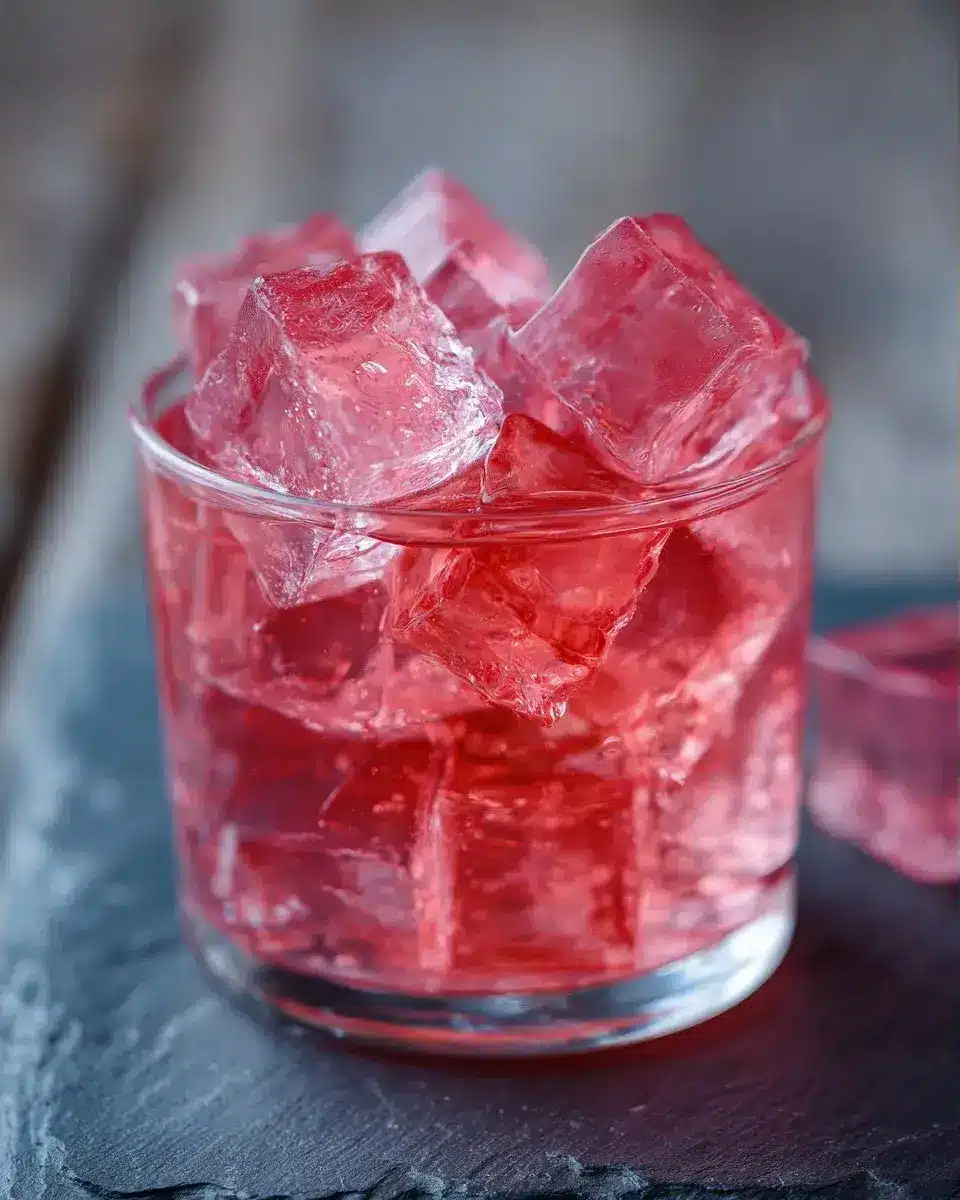
- In a separate small bowl, mix the cooked quinoa with 1 tsp petite natural food coloring until evenly colored. This adds a delightful visual element.
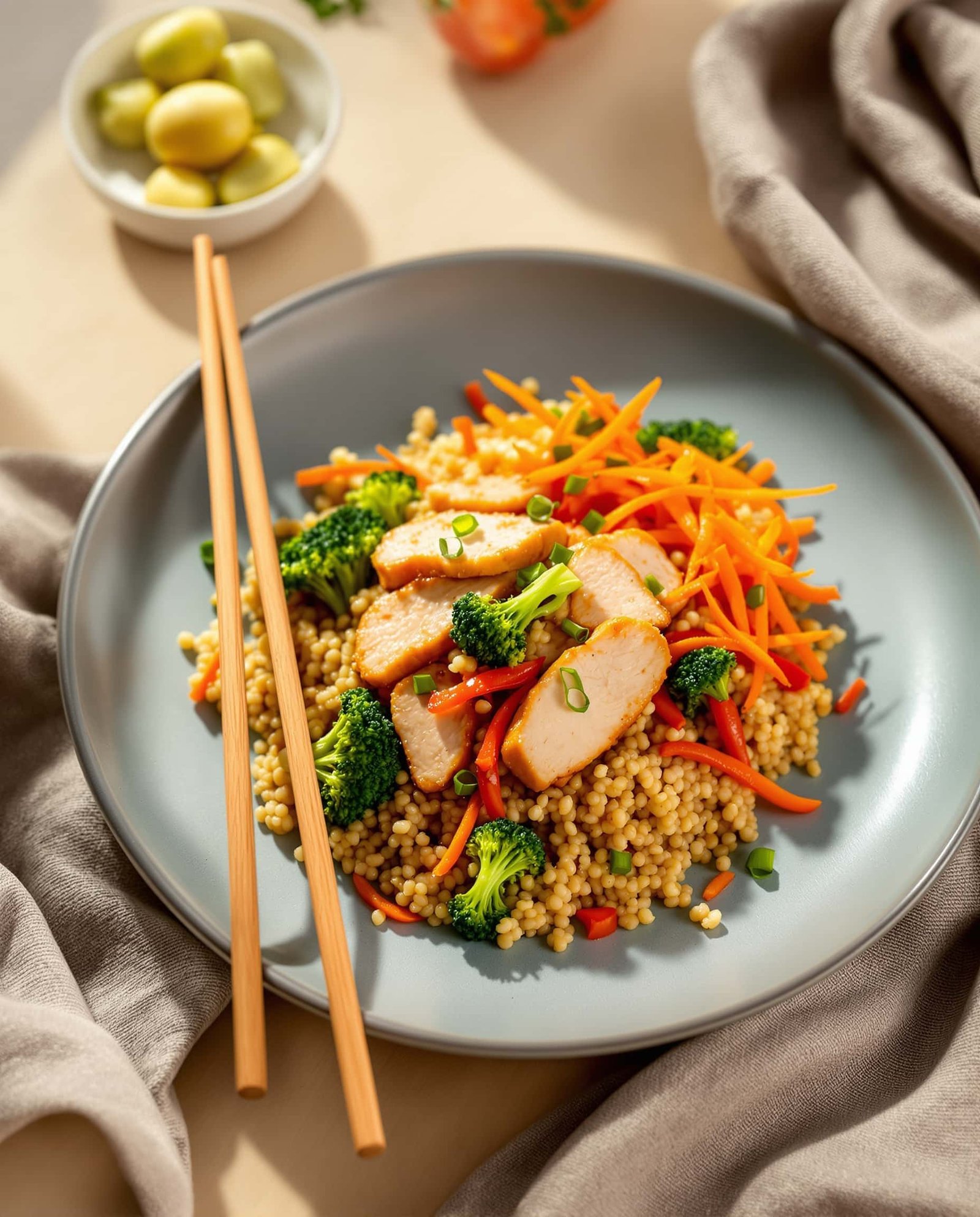
- To assemble your elegant plate: artfully arrange the colored quinoa, cooked chicken, steamed broccoli, and sautéed bell pepper and carrots on a petite assiette élégante. Garnish with fresh cilantro and a pinch of red pepper flakes if desired.
- Serve immediately and remember to eat slowly, savoring each bite, and stopping when you feel 80% full.
Key Terms Explained
| Term | Explanation | Why it matters here |
|---|---|---|
| Hara Hachi Bu | An ancient Okinawan principle meaning ‘eat until you are 80% full,’ promoting mindful eating and preventing overconsumption. | This recipe is designed to be a perfectly portioned meal to help you practice stopping at 80% fullness. |
| Satiety | The feeling of fullness and satisfaction after eating, which helps control appetite and caloric intake. | The protein and fiber in this meal are key components for achieving optimal satiety. |
| Calorie Deficit | Consuming fewer calories than your body burns in a day, which is the fundamental requirement for weight loss. | This recipe is portion-controlled to help you easily maintain a calorie deficit without feeling hungry. |
The Truth About This Recipe
The Truth About This Recipe: While delicious and nutrient-dense, this single meal alone won’t magically make you lose weight. No single food does. Weight loss fundamentally boils down to a consistent calorie deficit over time. This recipe is a tool – a smartly portioned, satisfying, and balanced option that fits beautifully into a calorie-controlled eating plan. The real work is in consistently making mindful choices, understanding your overall daily caloric intake, and pairing good nutrition with regular physical activity. Don’t expect miracles from one plate; expect results from a sustained, honest effort.
Move Your Body
Remember, nutrition is half the battle. Even a brisk 30-minute walk can burn around 150-200 calories, which is nearly half the calories in this meal! Consistent movement adds up, supporting your weight loss goals and overall health.
Delicious Variations
For a Keto-friendly version, swap quinoa for cauliflower rice and ensure all sauces are sugar-free. Increase healthy fats like avocado. For a Low-Carb option, simply increase the non-starchy vegetables (more broccoli, bell peppers) and reduce the quinoa portion slightly. For a Mediterranean twist, use olive oil instead of sesame, add a squeeze of lemon over the chicken, and incorporate herbs like oregano and parsley. You could also swap chicken for grilled fish.
Healthier Alternatives
To boost fiber and nutrients, swap white quinoa for black or red quinoa. For a lower sodium option, use reduced-sodium soy sauce or tamari. If chicken isn’t your preference, lean fish like cod or salmon can be a great alternative, providing healthy omega-3s. For an extra veggie punch, add a handful of spinach or kale to the pan with the bell peppers and carrots – it wilts down beautifully and adds micronutrients without many extra calories.
Serving Suggestions
Serve this minimalist plate as a standalone, balanced meal. It’s designed to be complete. Avoid pairing it with calorie-dense sides like sugary drinks, large portions of bread, or heavy desserts, as that would counteract the Hara Hachi Bu principle. A glass of water or unsweetened tea is the perfect accompaniment. Remember, the goal is mindful eating until 80% full, so adding unnecessary extras defeats the purpose.
Storage Instructions
This meal is best enjoyed fresh, but components can be prepped. Cooked chicken can be stored in an airtight container in the refrigerator for up to 3-4 days. Cooked quinoa can also be stored separately for the same duration. Keep raw vegetables in the crisper. When reheating, gently warm the chicken and vegetables in a pan or microwave, ensuring not to overcook the vegetables, which can make them soggy. The natural food coloring will hold its petite color well.
Frequently Asked Questions
What does ‘Hara Hachi Bu’ really mean for weight loss?
It means eating mindfully until you’re about 80% full, rather than stuffed. This naturally reduces calorie intake, helps you listen to your body’s hunger cues, and prevents overeating, which is crucial for sustainable weight loss.
Can I substitute other proteins in this recipe?
Absolutely! Lean proteins like turkey breast, firm tofu, tempeh, or even shrimp would work wonderfully. Just adjust cooking times accordingly to ensure they are cooked through.
Is natural food coloring necessary for the recipe?
From a nutritional standpoint, no. But for the Hara Hachi Bu principle, visual appeal is part of the mindful eating experience. The ‘petite’ coloring chosen helps make the meal more aesthetically pleasing and can enhance your enjoyment, encouraging slower, more deliberate eating.
How often should I eat Hara Hachi Bu meals?
The principle of Hara Hachi Bu isn’t just for specific meals; it’s a mindful eating philosophy to apply at every meal. Aim to practice stopping at 80% fullness as often as possible for best results in weight management and digestive health.
I’m always hungry. How can I feel satisfied with smaller portions?
Focus on nutrient density. This recipe is packed with protein and fiber, which are incredibly satiating. Drink water before meals, eat slowly, and eliminate distractions. Over time, your body will adapt to receiving the nutrients it needs without needing to be ‘stuffed’.
Conclusion
Embracing the Hara Hachi Bu philosophy isn’t a diet; it’s a sustainable lifestyle shift. This isn’t about deprivation, but about profound self-awareness and respect for your body. This minimalist, colorful meal is a delicious starting point, a tangible way to practice mindful eating and reconnect with your internal hunger and fullness cues. Remember, sustainable weight loss is a journey of understanding, not restriction. Be patient, be consistent, and listen to your body. You’ve got this.