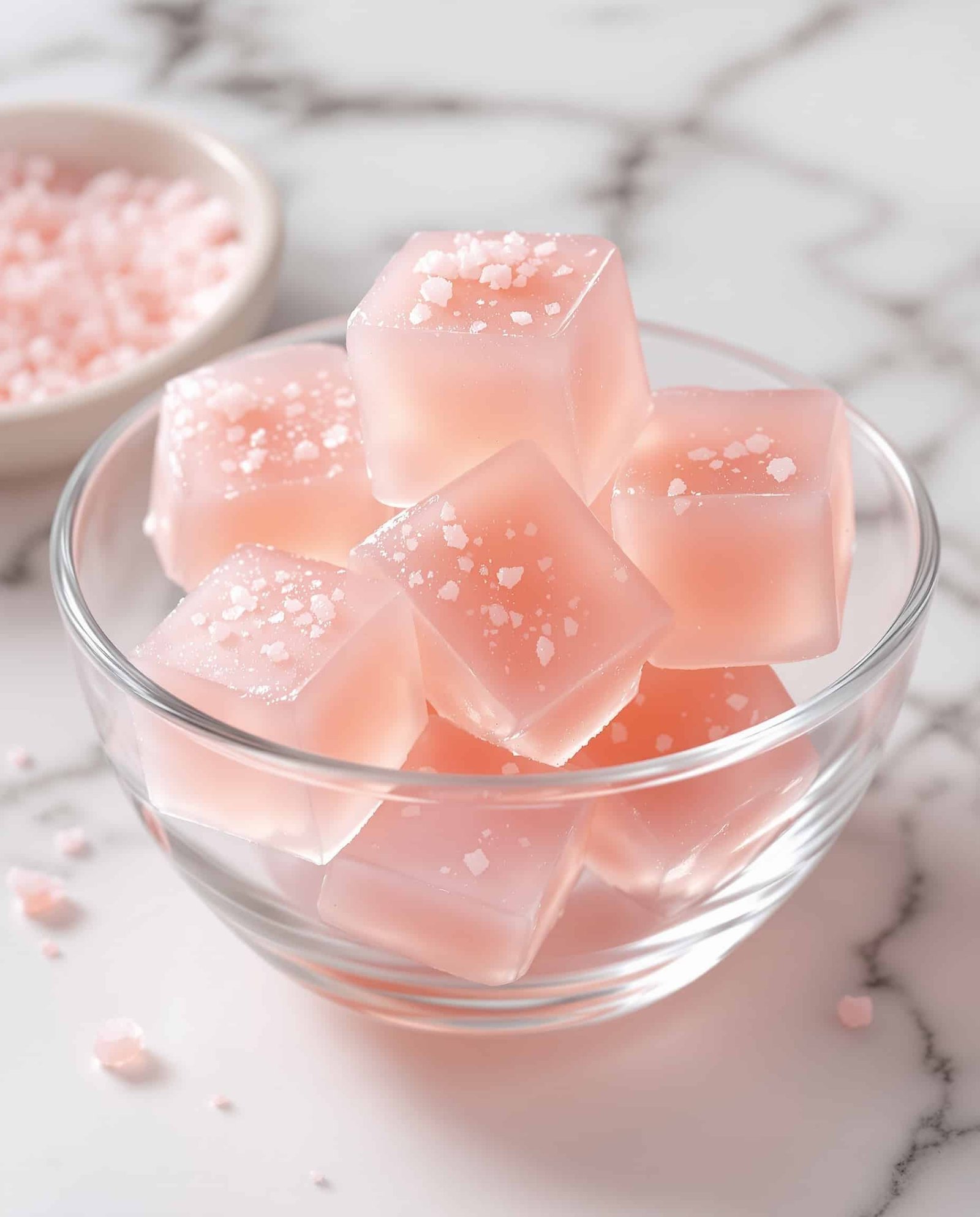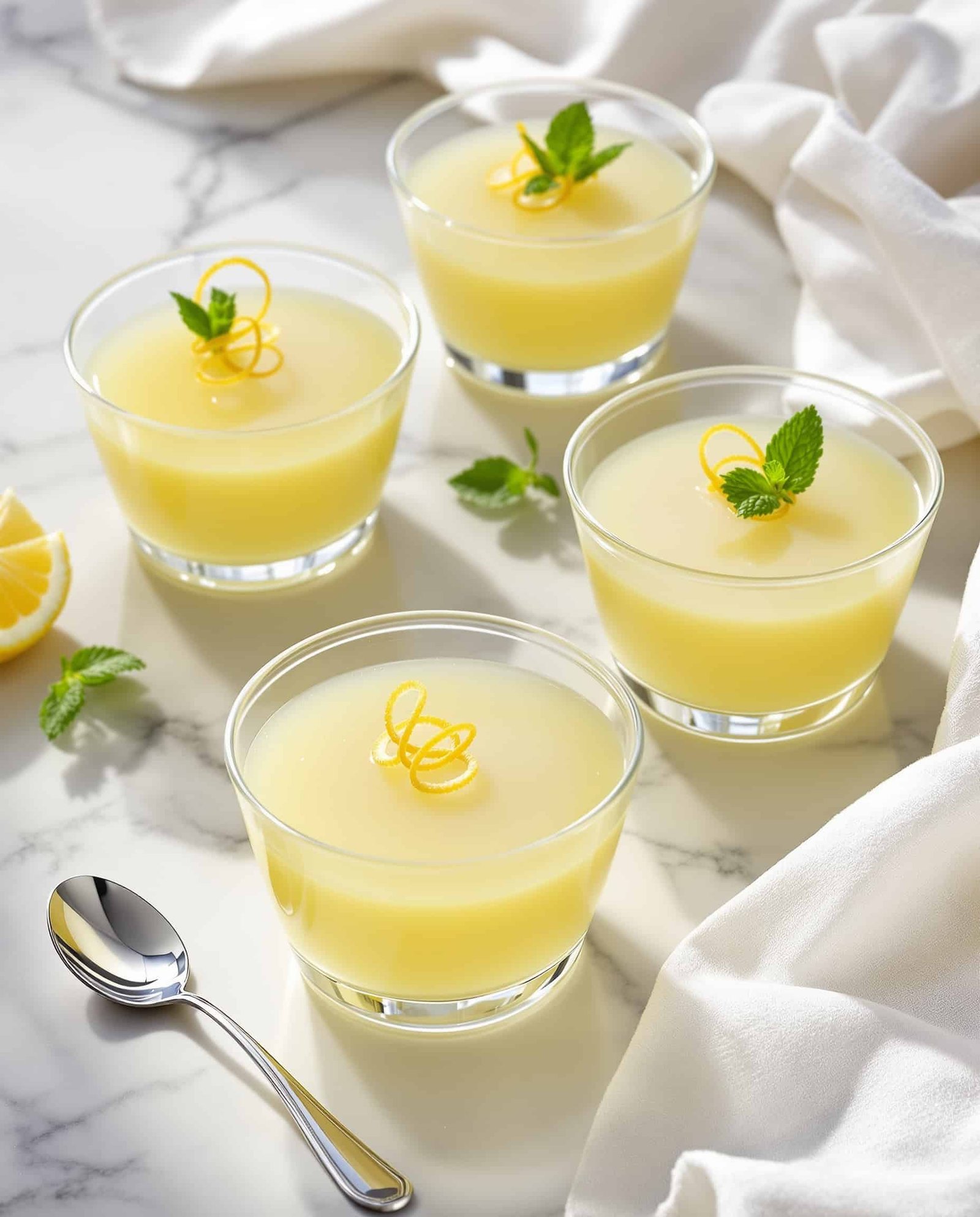
Let’s be honest: losing weight often feels like a constant battle against cravings. You want something satisfying, but you know a sugary snack will derail your progress. The problem isn’t lack of willpower; it’s often a lack of readily available, satisfying, and low-calorie options. That’s where knowing how to make gelatin ice cubes comes in. This isn’t a magic bullet, but it’s a genuinely useful tool in your weight management toolkit. It’s simple, versatile, and offers a surprising amount of satisfaction for very few calories, helping you stay on track without feeling deprived. I’ve been there, and sometimes, a little hack like this makes all the difference.
| Prep Time | 5 minutes | Cook Time | 0 minutes |
| Servings | 4 | Calories | 25 kcal |
Ingredients
- 2 packets (14g each) unflavored gelatin powder
- 2 cups (470ml) cold water, divided
- 1 cup (235ml) boiling water
- 1/4 cup (60ml) fresh lemon juice (optional, for flavor)
- 1-2 tbsp (15-30ml) erythritol or stevia, to taste (optional, for sweetness)
Recommended Tools You’ll Need
| Tool | Why You Need It |
|---|---|
| Silicone Ice Cube Trays | Easy release for the gelatin cubes and reusable, preventing waste. |
| Medium Mixing Bowl | Essential for blooming and dissolving the gelatin without spills. |
| Whisk or Spoon | To ensure the gelatin dissolves completely and evenly. |
| Measuring Cups | Accurate measurements are key for proper gelatin consistency. |
Instructions
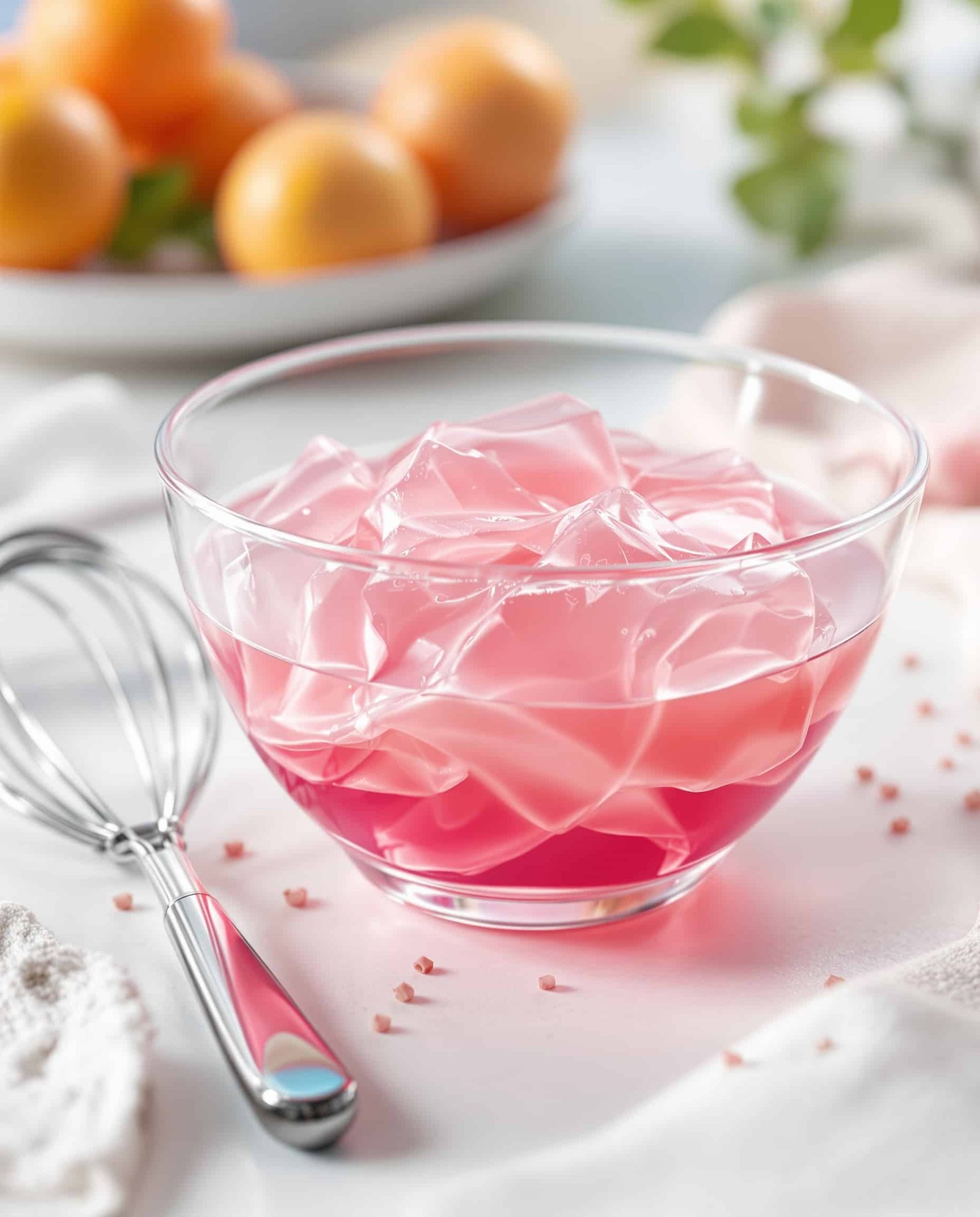
- In a medium-sized bowl, sprinkle the unflavored gelatin powder over 1 cup (235ml) of cold water. Let it sit for 5 minutes to “bloom” (absorb the water and soften). This step is crucial for smooth results.
- Add 1 cup (235ml) of boiling water to the bloomed gelatin mixture. Stir continuously until the gelatin is completely dissolved. Ensure there are no granules remaining.
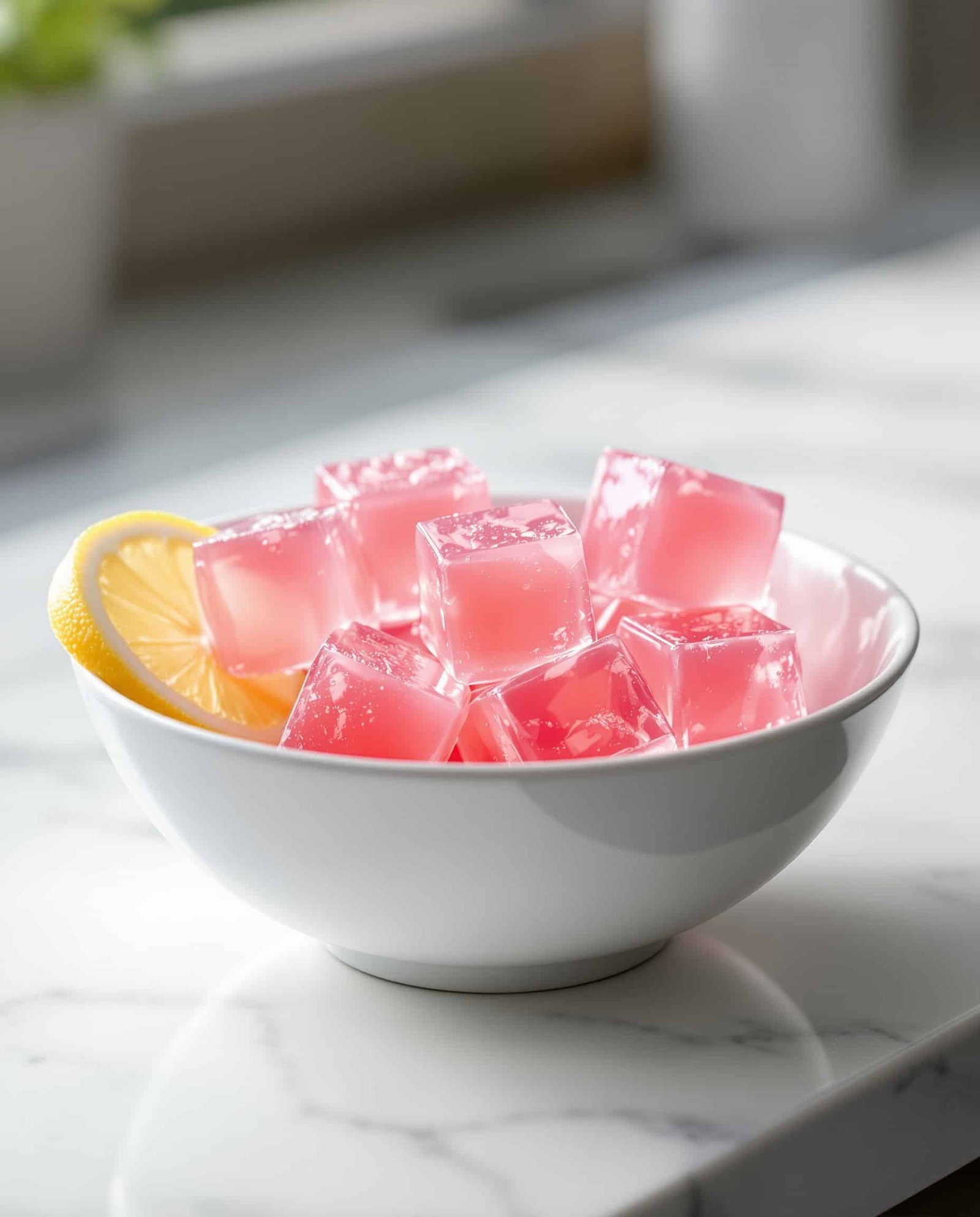
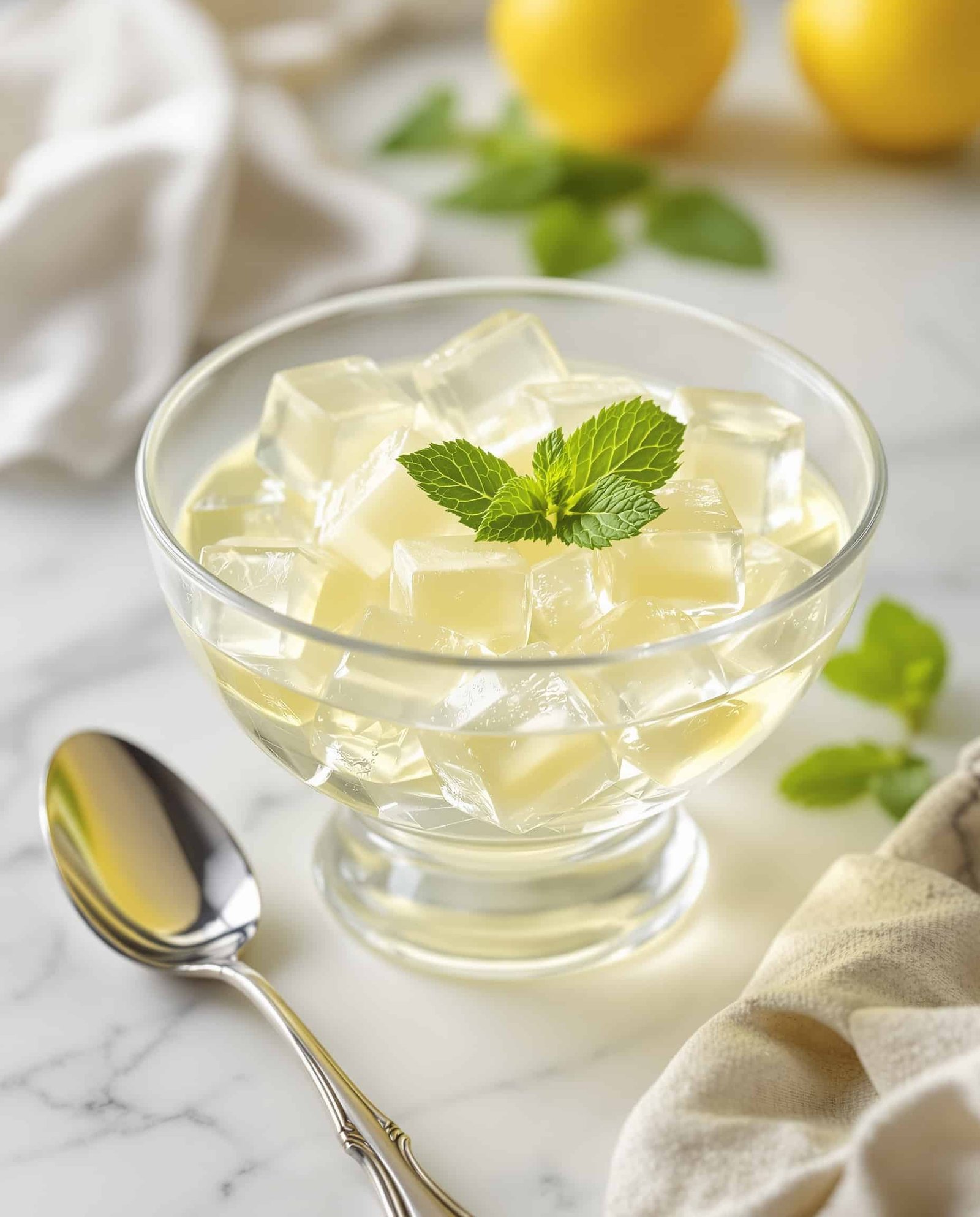
- If using, stir in the remaining 1 cup (235ml) cold water, lemon juice, and sweetener. Pour the mixture into silicone ice cube trays or a shallow dish. Refrigerate for at least 2-4 hours, or until firmly set. Once set, pop out the cubes and enjoy!
Calorie Reality
At just 25 calories per serving, these gelatin ice cubes are incredibly light. For someone aiming for a 1500-2000 kcal daily budget, this recipe represents a tiny fraction of your intake, making it an excellent choice for a low-calorie snack or palate cleanser. It allows you to feel like you’re having a treat without significantly impacting your overall calorie goals.
About Your Daily Budget: Your Total Daily Energy Expenditure (TDEE) is the total number of calories your body burns in a day. It includes your Basal Metabolic Rate (BMR), physical activity, and the thermic effect of food. Understanding your TDEE helps you determine how many calories you need to maintain, lose, or gain weight.
Diet Compatibility
Compatible with: Keto, Low-Carb, Paleo (ensure grass-fed gelatin), Whole30 (ensure grass-fed gelatin and no sweeteners), High-Protein, Weight Watchers
Not compatible with: Vegan, Vegetarian
Warning: Mixing Diets: Attempting to combine vastly different dietary approaches without understanding their core principles can lead to nutritional deficiencies, metabolic confusion, and often, frustration. For example, combining high-fat keto with low-fat vegan can create a diet that is neither effective nor sustainable. Your body is a complex system; wildly fluctuating macro ratios can confuse metabolic pathways, potentially leading to increased lipogenesis (fat storage) as your body tries to adapt to inconsistent fuel sources. Stick to one well-researched approach to give your body the best chance at success.
Expert Tips
For the best texture, ensure your gelatin is fully dissolved – no grainy bits! If you’re struggling with cravings, keep a batch of these readily available in your fridge. The slight chewiness and cold temperature can be surprisingly satisfying. For weight loss, consider these as a replacement for sugary drinks or processed snacks. They offer a ‘treat’ sensation without derailing your calorie goals. Hydration is also crucial for weight loss; these cubes contribute to your fluid intake.
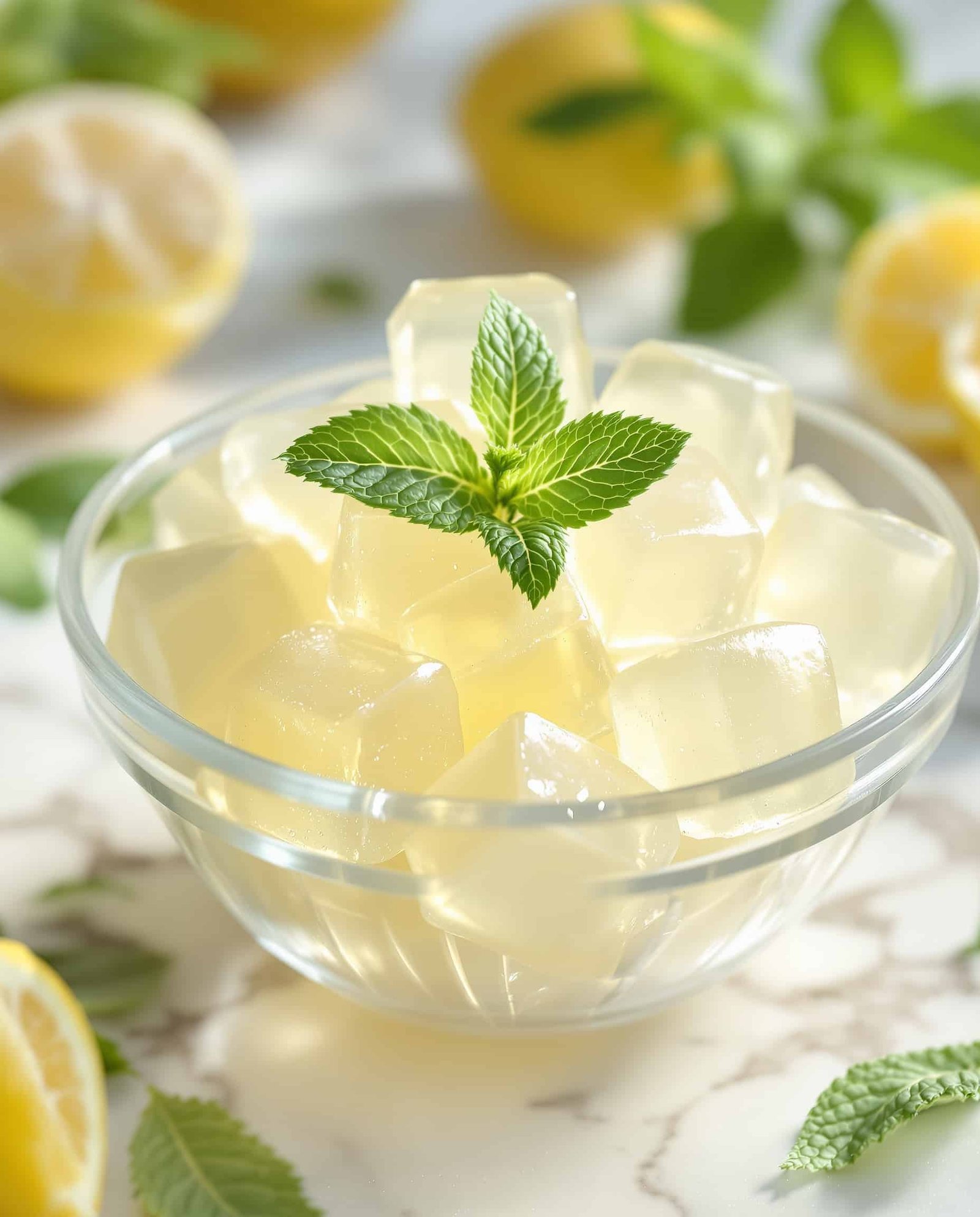
Macros Breakdown
These gelatin ice cubes are almost pure protein (from the gelatin itself), with virtually no carbs, fat, or fiber. This makes them a fantastic, highly satiating, low-calorie snack, especially if you’re looking to increase your protein intake without adding significant calories. Protein is crucial for muscle maintenance and satiety, which are both vital for weight loss. The lack of other macros means it won’t spike blood sugar or add unnecessary energy.
Nutrition Information (per serving)
| Calories | Protein | Carbs | Fat | Fiber |
|---|---|---|---|---|
| 25 kcal | 6g | -g | -g | -g |
Key Terms Explained
| Term | Explanation | Why it matters here |
|---|---|---|
| Gelatin | Gelatin is a protein derived from collagen. It’s rich in amino acids, particularly glycine and proline, which are important for connective tissue health. | The star ingredient, providing protein and the unique jiggly texture without significant calories. |
| Calorie Deficit | A calorie deficit occurs when you consistently consume fewer calories than your body expends. This forces your body to use stored energy (fat) for fuel, leading to weight loss. | This recipe is designed to be very low calorie, helping you maintain a calorie deficit more easily. |
| Satiety | Satiety is the feeling of fullness and satisfaction after eating, which helps reduce the desire to eat more. Protein is known to be highly satiating. | The protein in gelatin contributes to satiety, helping you feel fuller on fewer calories. |
| Erythritol | Erythritol is a sugar alcohol used as a sugar substitute. It has very few calories and does not raise blood sugar levels. | An optional sweetener that adds flavor without adding calories or impacting blood sugar, suitable for weight loss. |
The Truth About This Recipe
The Truth About This Recipe: Let’s be unequivocally clear: eating gelatin ice cubes will not, on its own, make you lose weight. Weight loss boils down to a consistent calorie deficit over time. What this recipe *does* offer is a low-calorie, high-satiety tool to help you achieve and maintain that deficit without feeling deprived. It’s a strategic swap for higher-calorie snacks, giving you mental satisfaction and a protein boost. Think of it as a supportive player, not the star of the show, in your weight loss journey. Consistency and overall dietary choices are always paramount.
Move Your Body
Remember that movement is key alongside nutrition. A 30-minute brisk walk can burn around 150-200 calories, which is equivalent to several servings of these gelatin cubes. Even small, consistent efforts add up to a significant impact on your calorie deficit.
Delicious Variations
For a Keto/Low-Carb version, simply stick to unflavored gelatin, erythritol/stevia, and natural flavors like lemon or lime juice, avoiding fruit juices with sugar. For a Mediterranean twist, infuse the hot water with mint leaves or add a splash of orange blossom water before chilling. For a protein boost, you could dissolve a scoop of unflavored collagen peptides along with the gelatin, just ensure it’s well combined before chilling.
Healthier Alternatives
While this recipe is already quite healthy, you can make it even better. Use grass-fed gelatin for a higher quality, more bioavailable protein source (WHY: often contains more beneficial amino acids). Instead of artificial sweeteners, opt for a touch of fruit essence or a squeeze of fresh citrus (WHY: avoids potential blood sugar spikes or gut microbiome disruption some sweeteners can cause, focusing on whole, natural flavors). You could also add finely grated ginger or turmeric for an anti-inflammatory boost (WHY: natural spices offer micronutrients and potential health benefits).
Serving Suggestions
These gelatin ice cubes are fantastic on their own as a refreshing, low-calorie snack. You can also add them to sparkling water for a fun, flavored drink, or use them as a topping for plain Greek yogurt for added texture and protein (just be mindful of the yogurt’s calories!). A word of caution: avoid combining them with high-sugar desserts or drinks. The point is to replace, not add to, calorie-dense items. Don’t pair them with a sugary fruit salad; instead, enjoy them as your sweet ending.
Storage Instructions
Store your gelatin ice cubes in an airtight container in the refrigerator for up to 5-7 days. They can get a bit sticky if left exposed to air. While they can technically be frozen, the texture might change slightly, becoming a bit more brittle or icy rather than jiggly. For the best experience, keep them chilled and ready to grab from the fridge when a craving strikes.
Frequently Asked Questions
Can gelatin really help with weight loss?
Gelatin itself doesn’t directly burn fat. However, because it’s pure protein and very low in calories, it can be a valuable tool. Protein promotes satiety, meaning it helps you feel fuller for longer, which can reduce overall calorie intake and support a calorie deficit – the real key to weight loss.
Is unflavored gelatin better than flavored Jell-O for weight loss?
Absolutely! Flavored Jell-O typically contains a significant amount of sugar or artificial sweeteners and artificial colors. Unflavored gelatin allows you to control the ingredients, ensuring no added sugars or unnecessary chemicals, making it a much better choice for a healthy, low-calorie snack.
What’s the difference between gelatin and collagen?
Gelatin is essentially cooked collagen. Collagen is the most abundant protein in your body. When collagen is heated, it breaks down into gelatin. Both offer similar amino acid profiles and health benefits, but gelatin forms a gel, while collagen peptides dissolve easily in liquids.
Can I use fruit juice instead of water for flavored gelatin cubes?
You can, but be mindful of the calorie and sugar content. Most fruit juices are high in natural sugars, which will significantly increase the calories per serving and counteract the low-calorie benefit for weight loss. If you want fruit flavor, use a small amount of concentrated fruit essence or a very diluted, unsweetened juice.
I’m vegetarian/vegan. Is there an alternative to gelatin?
Yes! Agar-agar is a plant-based gelling agent derived from seaweed and is a fantastic vegan alternative to gelatin. The ratio for gelling might differ slightly, so follow the package instructions for agar-agar when substituting.
Conclusion
There you have it: a simple, honest approach to a low-calorie snack that genuinely supports your weight loss efforts. Knowing how to make gelatin ice cubes isn’t just about a recipe; it’s about empowering yourself with knowledge and practical tools to navigate your diet. Remember, sustainable weight loss isn’t about deprivation, but about smart choices that fit into your lifestyle and help you stay in a calorie deficit without feeling miserable. I’m not a doctor, but I do read the science, and the science says small, consistent, smart swaps like this add up. Keep learning, keep experimenting, and keep moving forward. You’ve got this.