Instructions
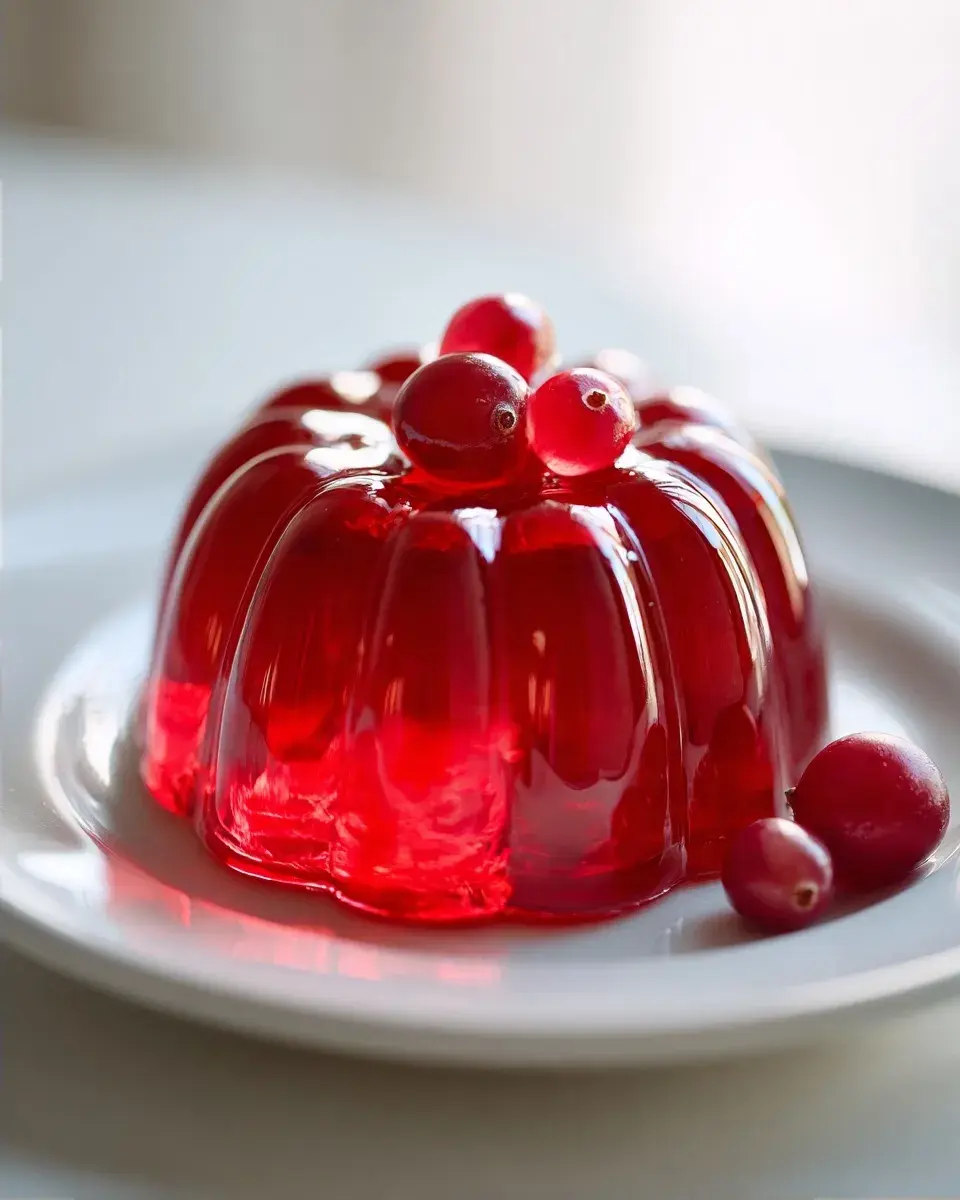
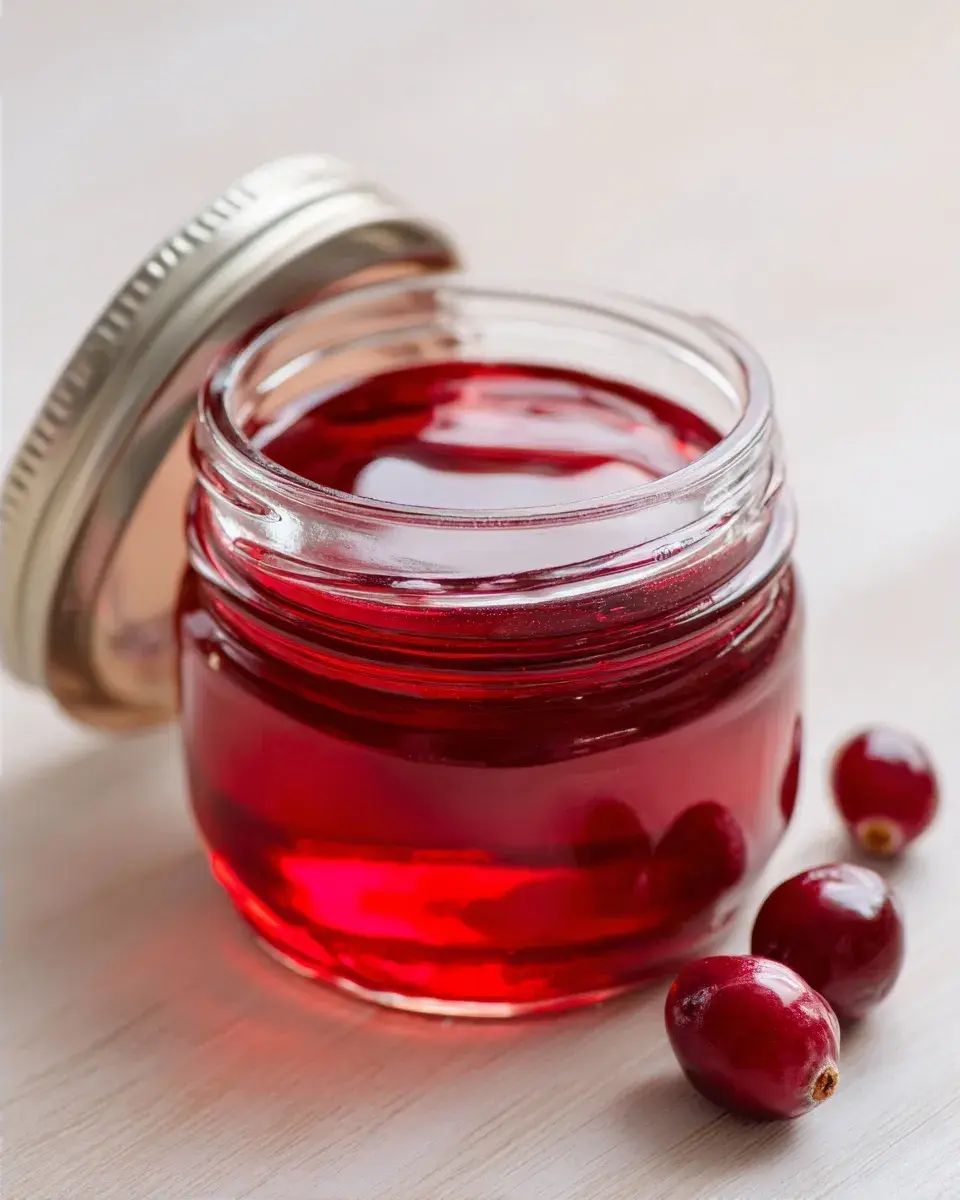
- Prepare the clear gelatin according to package instructions. This usually involves dissolving gelatin powder in hot water and then adding cold water.
- Pour half of the prepared gelatin into a 9×13 inch baking dish or a similar sized container.
- Place the dish in the refrigerator for about 1-2 hours, or until the gelatin is partially set but not completely firm. It should be jiggly but able to hold its shape slightly.
- While the gelatin is setting, prepare your fruit. Wash and gently dry the watermelon, strawberries, and raspberries. Cut larger pieces of watermelon into smaller cubes.
- Once the gelatin is partially set, gently fold in the watermelon, strawberries, and raspberries. Distribute the fruit evenly throughout the gelatin.
- Pour the remaining gelatin over the fruit mixture, ensuring that the fruit is fully submerged.
- Return the dish to the refrigerator and let it set completely, usually for another 2-3 hours, or until firm.
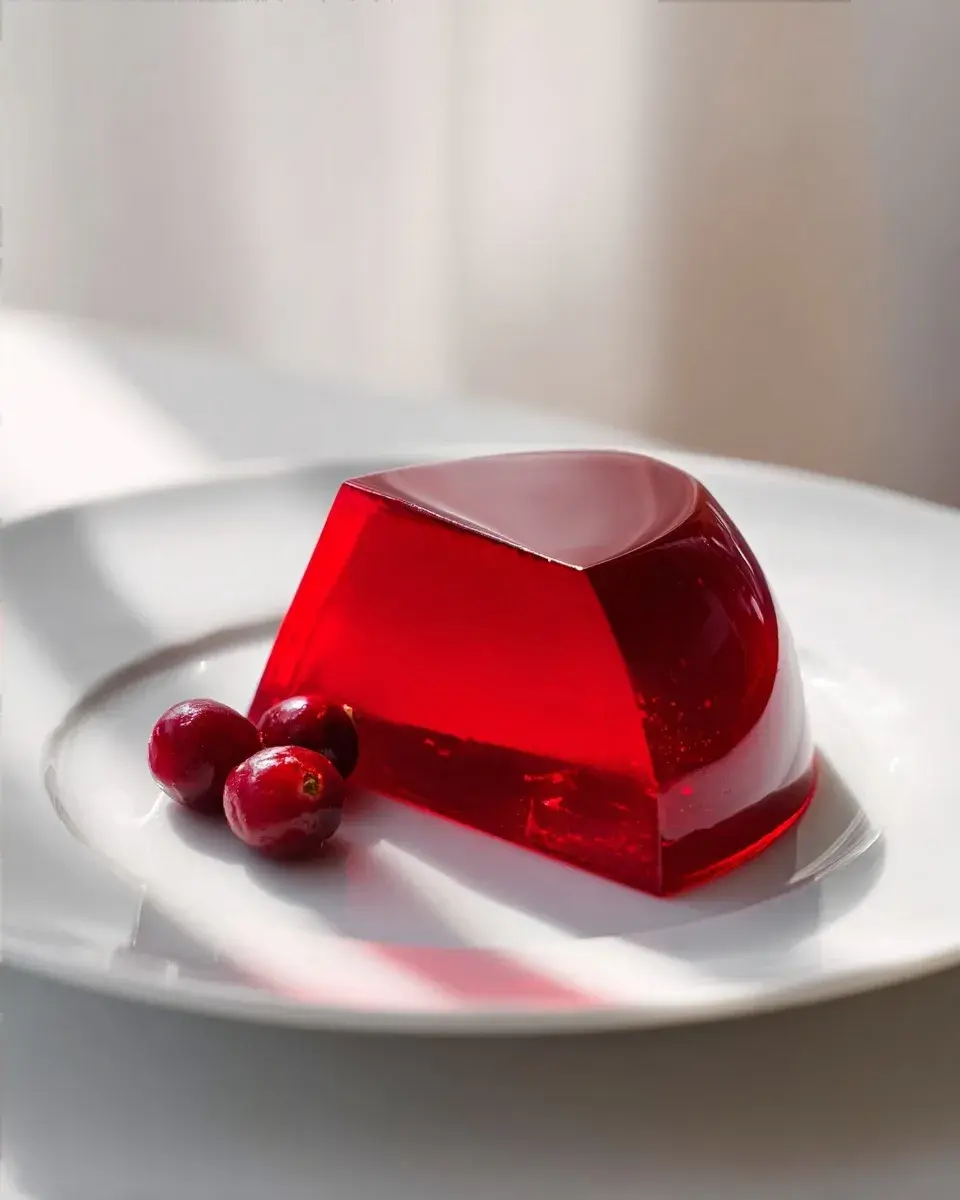
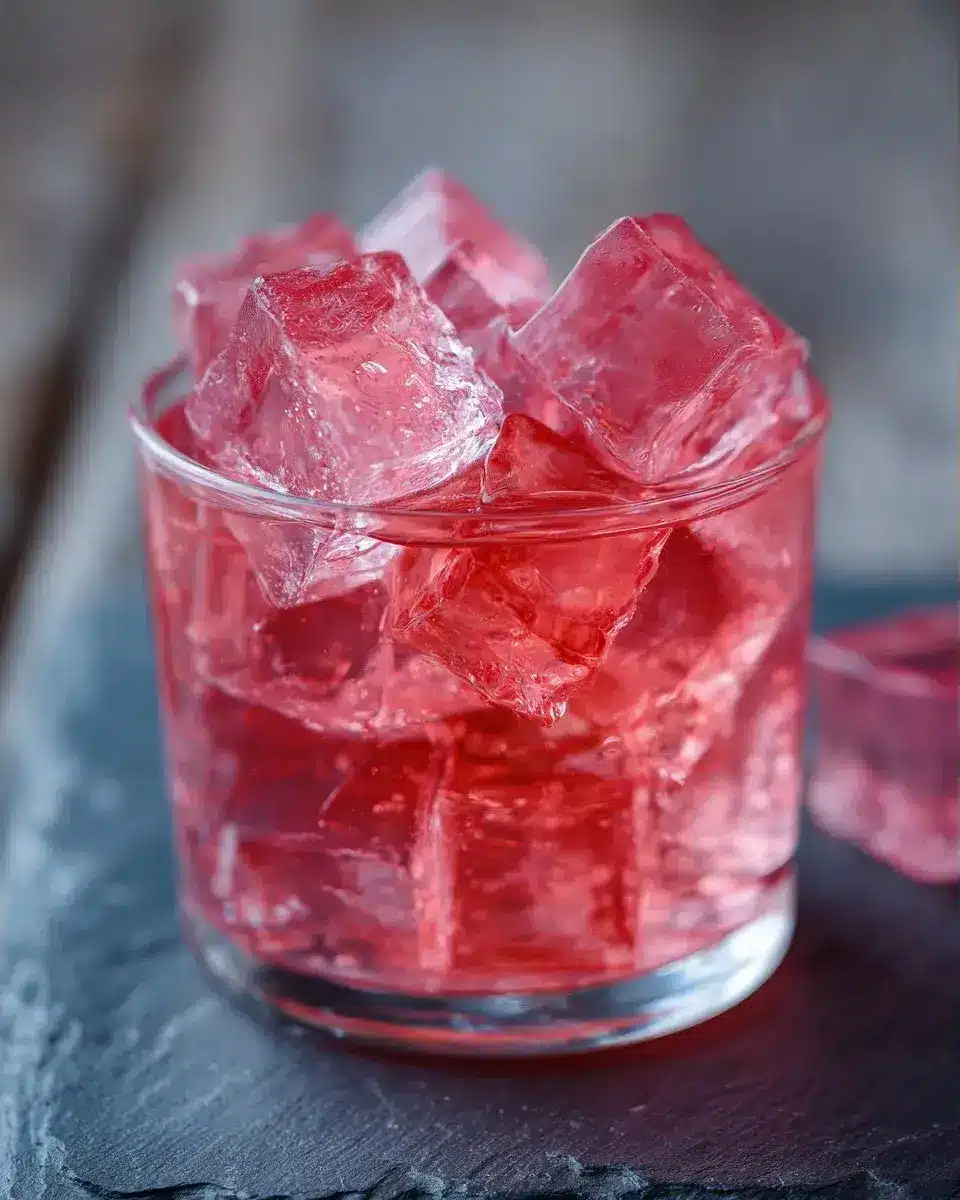
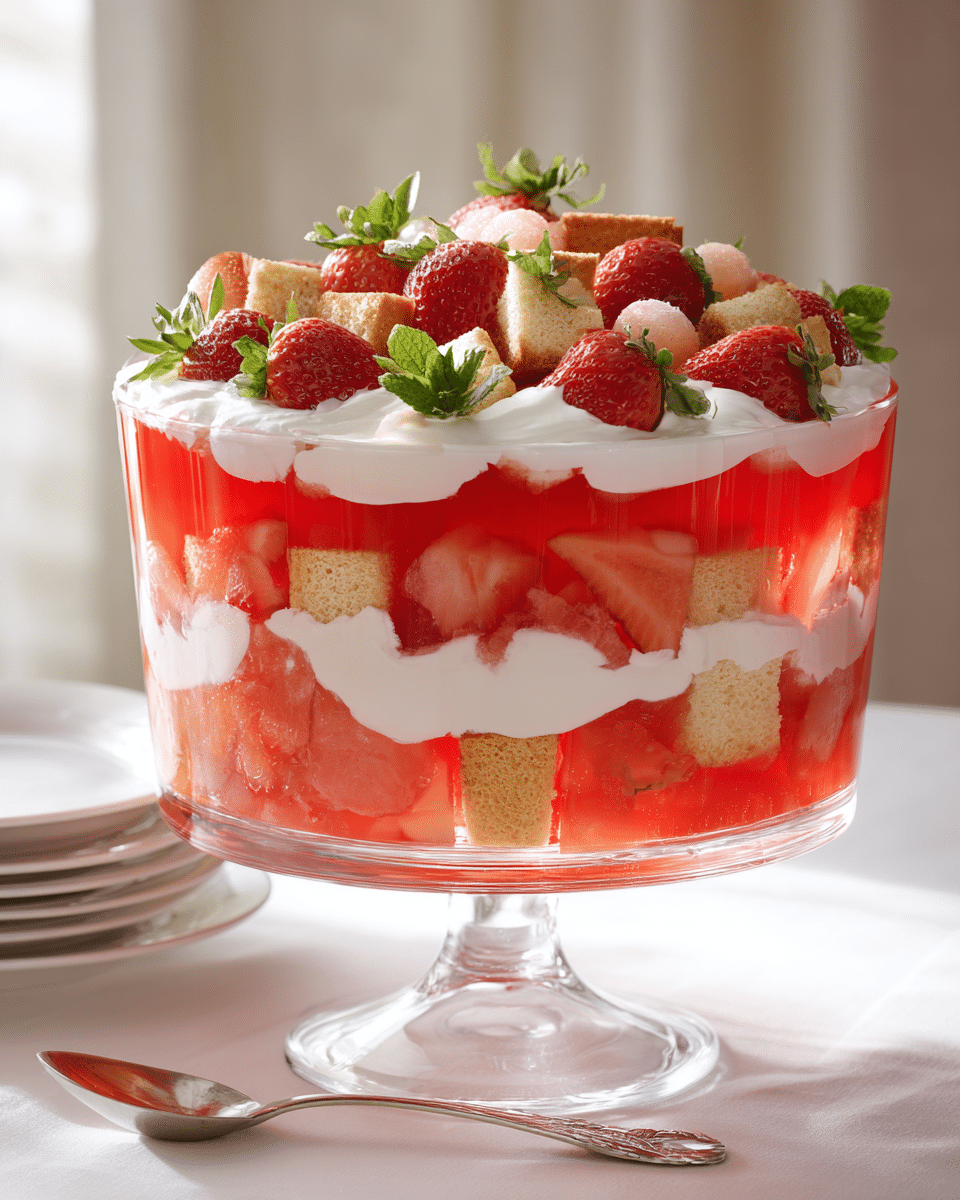
- Before serving, cut the gelatin into squares or desired shapes. Garnish with fresh mint leaves if desired.
- Serve chilled and enjoy!
Key Terms Explained
| Term | Explanation | Why it matters here |
|---|---|---|
| Gelatinization | Gelatinization is the process where gelatin proteins form a network that traps water, turning a liquid into a solid gel. Think of it like a web forming that holds everything in place. | This is how the liquid gelatin turns into a solid dessert, holding the fruit in place. |
| Macronutrients | Macronutrients are the main building blocks of our diet: carbohydrates, proteins, and fats. They provide our bodies with energy and the raw materials needed for growth and repair. | This recipe has a macro breakdown of protein, carbs, and extremely minimal fats. |
| Lipogenesis | Lipogenesis is the metabolic process where your body converts excess carbohydrates into fatty acids, which are then stored as fat. It’s how your body saves extra energy for later use. | Overeating this sweet treat can contribute to more carbohydrates than your body needs, leading to fat storage. |
The Truth About This Recipe
The Truth About This Recipe: This recipe is delicious and low in calories, but it’s not a magic weight-loss bullet. Enjoying it in moderation as part of a balanced diet can be totally fine (and fun!), but it won’t automatically shed pounds. Sustainable weight loss comes from consistent effort and a holistic approach to health. Focus on overall dietary habits, not just individual recipes.
Move Your Body
Enjoy this light dessert and then take a brisk 20-minute walk! You’ll burn around 100 calories, balancing out your treat and boosting your mood.
Delicious Variations
For a keto-friendly version, use sugar-free gelatin and replace the fruit with berries like blueberries and blackberries in a smaller quantity. For a low-carb option, use sugar-free gelatin and limit the amount of fruit. For a Mediterranean twist, add a squeeze of lemon juice to the gelatin for a brighter flavor. You could also replace watermelon for blood oranges.
Healthier Alternatives
Use sugar-free gelatin to reduce the sugar content and overall calories. Substitute some of the gelatin with unsweetened applesauce to add fiber and nutrients. Reduce the total amount of gelatin and increase fruit to volume ratio. All of these help create a more nutritionally dense dessert.
Serving Suggestions
Serve this gelatin dessert chilled as a light snack or dessert. Avoid serving it with heavy, high-fat meals, as this can lead to digestive discomfort. Enjoy it on its own or alongside a cup of herbal tea for a refreshing treat.
Storage Instructions
Store leftover gelatin in an airtight container in the refrigerator for up to 3 days. The gelatin may become slightly watery over time. Avoid freezing, as this will alter the texture and make it mushy.
Frequently Asked Questions
Will this recipe help me lose weight?
This recipe is low in calories and can be part of a weight-loss plan, but it’s not a magic bullet. Weight loss depends on many factors, including overall diet, exercise, and lifestyle.
Can I use other types of fruit?
Yes, you can! Berries, peaches, and kiwi are all great options. Just be sure to cut them into small pieces.
Is gelatin healthy?
Gelatin is a source of protein and collagen, which can be beneficial for skin and joint health. However, it’s not a complete protein source, so it should be part of a balanced diet.
How can I make this recipe vegan?
Use a vegan gelatin alternative, such as agar-agar powder, and ensure the other ingredients are also vegan-friendly.
Can I add sweetener to the gelatin?
Yes, if you prefer a sweeter dessert, you can add a sugar substitute or honey to the gelatin before it sets. Remember to adjust the calorie count accordingly.
Conclusion
This Julien Strawberry Watermelon Raspberry Gelatin Recipe is a simple and satisfying treat that you can enjoy guilt-free. Remember, healthy eating is about balance and moderation. Don’t deprive yourself of the foods you love, but be mindful of portion sizes and make informed choices. Focus on creating sustainable habits and celebrating small victories along the way. Embrace a holistic approach to health, and remember that every step you take towards a healthier lifestyle counts.