Instructions
- In a medium bowl, mash one of the bananas with a fork until smooth.
- Add the protein powder, almond milk, Greek yogurt, chia seeds, vanilla extract, and cinnamon to the mashed banana. Whisk until well combined and smooth.
- Let the mixture sit for at least 5 minutes to allow the chia seeds to thicken the pudding.
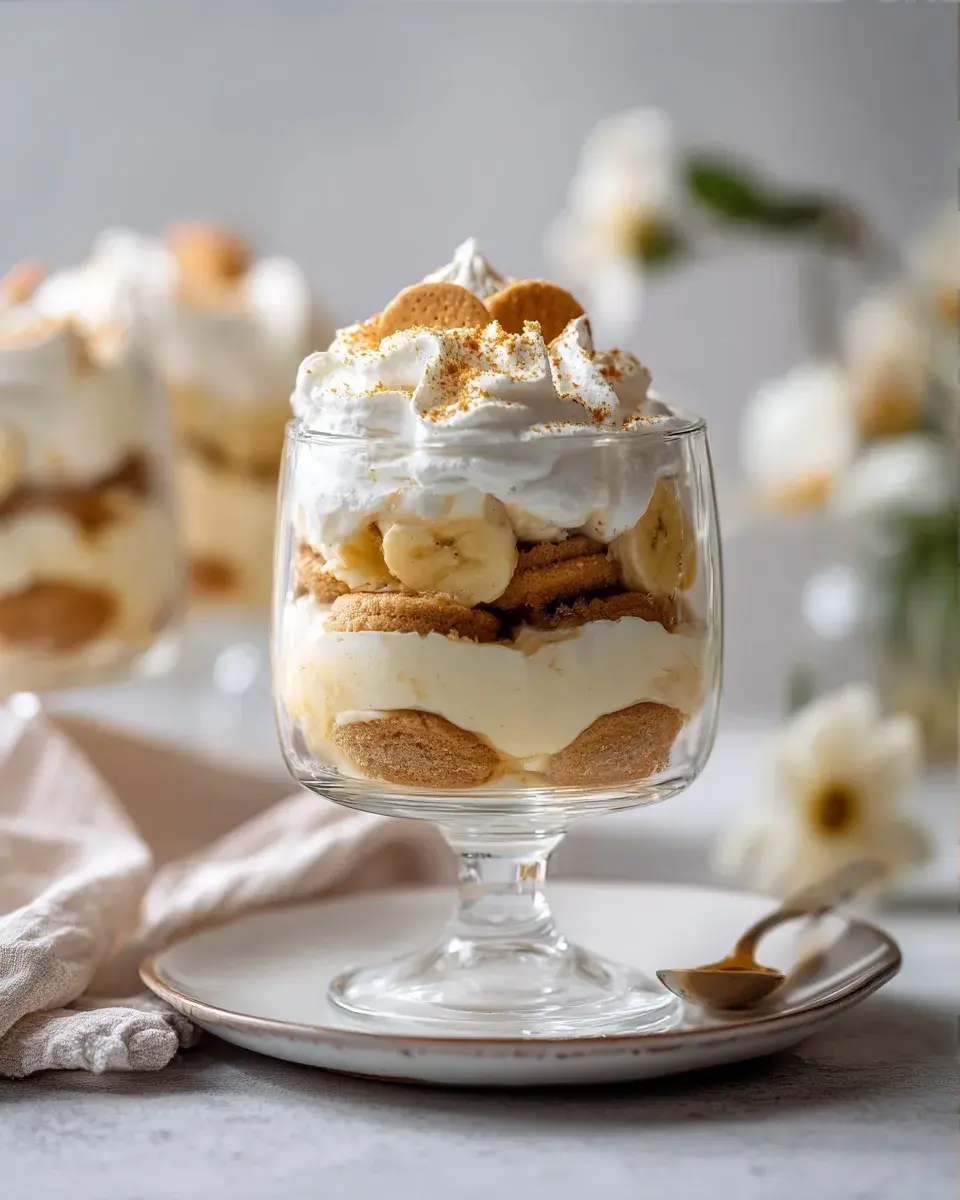
- In individual serving dishes or one larger bowl, layer vanilla wafers, sliced bananas, and the protein pudding mixture. Repeat layers until all ingredients are used, ending with a layer of pudding.
- Cover and refrigerate for at least 30 minutes to allow the pudding to set further and the flavors to meld. For best results, chill for at least 2 hours.
- Before serving, garnish with extra vanilla wafers or a sprinkle of cinnamon, if desired.
Terminology Decoded
| Term | Explanation | Why it matters here |
|---|---|---|
| Protein | Protein is a macronutrient essential for building and repairing tissues. It also plays a role in hormone production and immune function. | This recipe uses protein powder and Greek yogurt to increase the protein content, promoting satiety. |
| Fiber | Fiber is a type of carbohydrate that the body can’t digest. It helps regulate blood sugar levels, promotes digestive health, and increases feelings of fullness. | Chia seeds contribute fiber to this recipe, helping you feel more satisfied and supporting healthy digestion. |
| Calorie Deficit | A calorie deficit means consuming fewer calories than your body burns, leading to weight loss. It’s the fundamental principle behind weight management. | This recipe is designed to be a lower-calorie alternative to traditional banana pudding, making it easier to maintain a calorie deficit. |
| Macronutrients | Macronutrients are the main nutrients our bodies need in large amounts: protein, carbohydrates, and fats. They provide energy and support various bodily functions. | This recipe provides a balance of protein, carbs, and fats, each playing a role in nutrition and satisfaction. |
Let’s Be Honest
The Truth About This Recipe: This protein banana pudding is a healthier alternative to the classic dessert, but it’s not a magic weight loss tool. It’s lower in calories and higher in protein, which can help you feel fuller and more satisfied, potentially aiding in weight management. However, sustainable weight loss comes from consistent healthy eating habits and regular physical activity. Enjoy this treat as part of a balanced diet, and don’t expect it to single-handedly transform your physique.
Don’t Forget to Move
Don’t forget to move your body! A brisk 30-minute walk can burn around 150-200 calories, helping you create a larger calorie deficit. Combine this delicious protein banana pudding with regular exercise for optimal results. Every little bit counts!
Variations to Explore
For a keto version, use almond flour-based cookies instead of vanilla wafers and a keto-friendly sweetener. For a low-carb option, reduce the amount of banana and use a sugar-free pudding mix. For a Mediterranean twist, add a sprinkle of chopped nuts like almonds or walnuts for healthy fats and added texture.
Better-For-You Swaps
Instead of regular vanilla wafers, use whole wheat or gluten-free versions for added fiber. Replace some of the almond milk with water to further reduce calories. Use a natural sweetener like stevia or monk fruit instead of sugar. Choose a protein powder with minimal added sugars and artificial ingredients.
Serving Ideas
Enjoy this protein banana pudding as a post-workout snack or a light dessert. Be cautious about pairing it with other high-calorie or high-fat foods, as this can lead to excess calorie consumption. Avoid serving with sugary drinks or fried foods to maintain a balanced meal.
Keeping It Fresh
Store leftover protein banana pudding in an airtight container in the refrigerator for up to 3 days. The vanilla wafers may soften over time, but the pudding will still be delicious. It’s best enjoyed fresh for optimal texture.
Common Questions
Can I use a different type of protein powder?
Yes, you can use any type of protein powder you prefer, such as whey, casein, or plant-based protein. Just keep in mind that the flavor and texture may vary slightly.
How can I make this recipe vegan?
To make this recipe vegan, use a plant-based protein powder, dairy-free yogurt (like coconut or almond yogurt), and vegan vanilla wafers.
Is this recipe good for weight loss?
This recipe can be a helpful tool for weight loss when incorporated into a balanced diet and active lifestyle. It’s lower in calories and higher in protein than traditional banana pudding, which can help you feel fuller and more satisfied, potentially reducing overall calorie intake. However, it’s not a magic bullet and should be part of a comprehensive weight management plan.
Can I freeze this protein banana pudding?
Freezing is not recommended, as the texture of the pudding and vanilla wafers may change significantly upon thawing. It’s best enjoyed fresh or within a few days of making it.
How does this fit into a calorie deficit for weight loss?
Each serving is around 210 calories. If your daily calorie target is, say, 1500 calories, this pudding accounts for about 14% of your daily intake. This allows room for nutritious meals while still enjoying a treat, making it easier to stick to your calorie deficit.
Wrapping Up
This protein banana pudding is a delicious and satisfying way to enjoy a classic dessert without the guilt. It’s packed with protein to keep you feeling full and is a much healthier alternative to traditional banana pudding. Remember, sustainable weight management is about making smart choices and incorporating them into a balanced lifestyle. Don’t expect any single recipe to magically transform your body, but do celebrate the small victories and enjoy the process of nourishing yourself with wholesome, delicious foods. This recipe is a step in the right direction, and with consistency and dedication, you can achieve your health and wellness goals. Enjoy!