Instructions
- Prepare the watermelon: Cut the watermelon into cubes and remove any seeds.
- Blend the watermelon: Place the watermelon cubes, lime juice (if using), and mint leaves (if using) into a blender.
- Blend until smooth: Blend until the mixture is completely smooth.
- Strain (optional): For a smoother juice, strain the mixture through a fine-mesh sieve or cheesecloth.
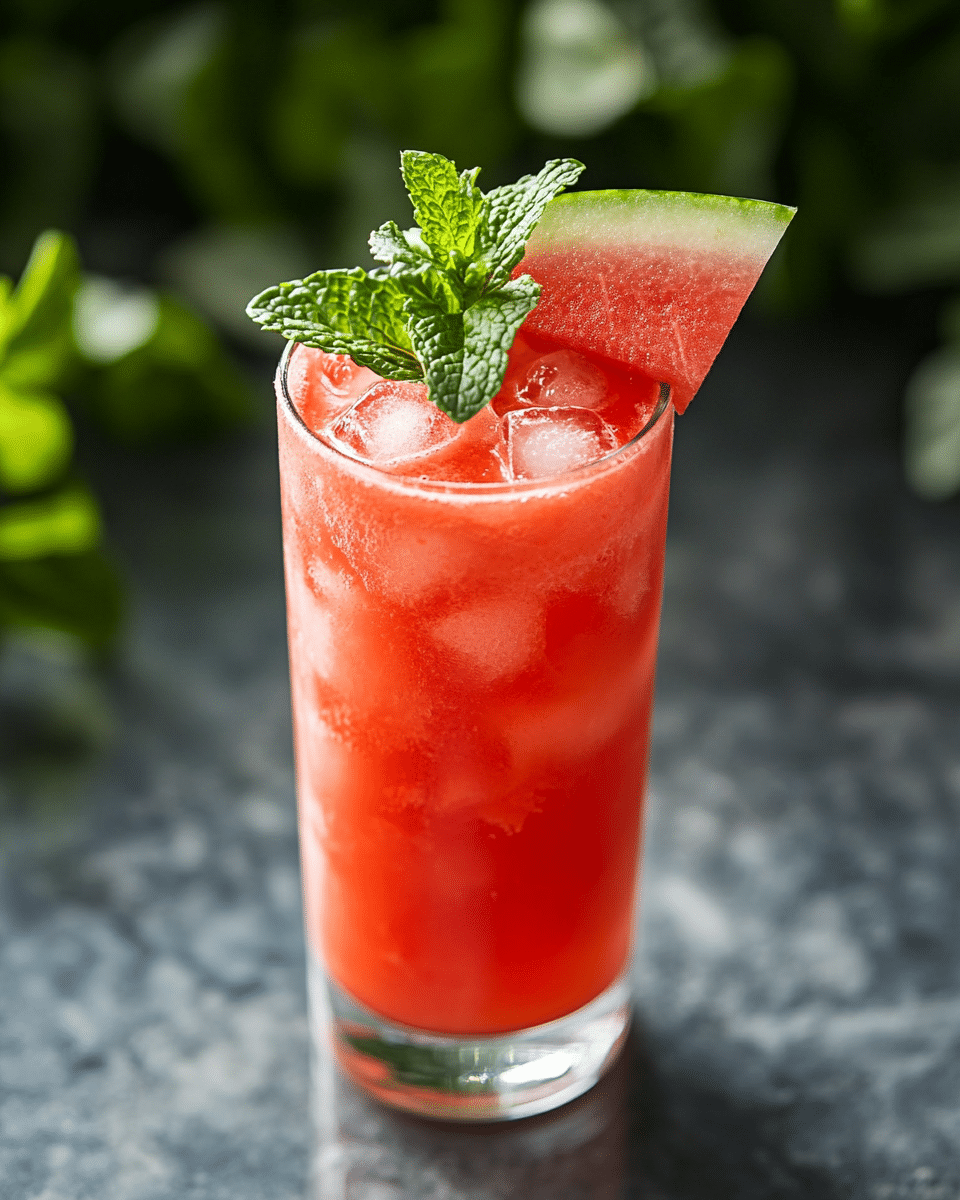
- Serve: Pour the watermelon juice over ice cubes and enjoy immediately.
Key Terms Explained
| Term | Explanation | Why it matters here |
|---|---|---|
| Calories | Calories are units of energy our bodies use to function. We get calories from food and drinks. | This recipe provides roughly 75 calories per serving, contributing to your daily intake. |
| Macros | Macros, short for macronutrients, are the main nutrients we need: protein, carbs, and fats. | This juice is mainly carbohydrates, with tiny amounts of protein and fat. |
| Fiber | Fiber is a type of carbohydrate that your body can’t digest. It helps keep your digestive system healthy. | This juice contains a bit of fiber, which aids digestion and promotes fullness. |
The Truth About This Recipe
The Truth About This Recipe: Watermelon juice is hydrating and delicious. It *won’t* magically melt fat. Weight loss comes from a consistent calorie deficit achieved through balanced nutrition and exercise. This juice is a healthy option *within* that framework. Don’t fall for false promises – focus on sustainable habits for long-term success.
Move Your Body
Enjoy your watermelon juice after a walk! A 30-minute brisk walk can burn around 150-200 calories for an average adult. Combine that with healthy choices for results.
Delicious Variations
For a low-carb version, use a small amount of watermelon and blend with cucumber, lime, and mint. A Mediterranean twist involves adding a splash of olive oil and a pinch of sea salt. Avoid these if aiming for weight loss as they significantly change the calorie content.
Healthier Alternatives
Use less watermelon and more cucumber or celery to reduce the sugar content and calories. Add a squeeze of lemon or lime for extra flavor and vitamin C without extra sugar. These substitutions reduce the overall sugar content while maintaining hydration.
Serving Suggestions
Enjoy watermelon juice as a refreshing breakfast drink or post-workout recovery beverage. Avoid pairing it with heavy, high-fat meals, as this could contribute to excess calorie consumption. Drink it on empty stomach for best digestion.
Storage Instructions
Store watermelon juice in an airtight container in the refrigerator for up to 24 hours. The juice may separate, so stir well before serving. Fresh is always best, so try to consume it as soon as possible.
Frequently Asked Questions
Is watermelon juice good for weight loss?
Watermelon juice can be a part of a weight loss plan due to its low calorie & high water content. However, it’s not a magic bullet. Weight loss comes from consistent calorie deficit.
How many calories are in watermelon juice?
One serving (about 1 cup) of watermelon juice contains approximately 75 calories.
Can I add sugar to watermelon juice?
It’s best to avoid adding sugar, as watermelon is naturally sweet. Adding sugar increases the calorie content without adding nutritional value.
Is watermelon juice healthy?
Yes, watermelon juice is a healthy beverage option. It’s hydrating, low in calories, and contains vitamins and antioxidants. But moderation is key.
Can I store watermelon juice for later?
Yes, you can store it in the refrigerator for up to 24 hours. The quality degrades pretty quickly, so drink it asap!
Conclusion
Watermelon juice is a delightful and refreshing beverage that can easily be incorporated into a healthy lifestyle. Remember, it’s about balance and making informed choices. Don’t believe in quick fixes, but focus on building sustainable habits. Enjoy your juicy treat as part of a well-rounded approach to nutrition and fitness. You’ve got this!