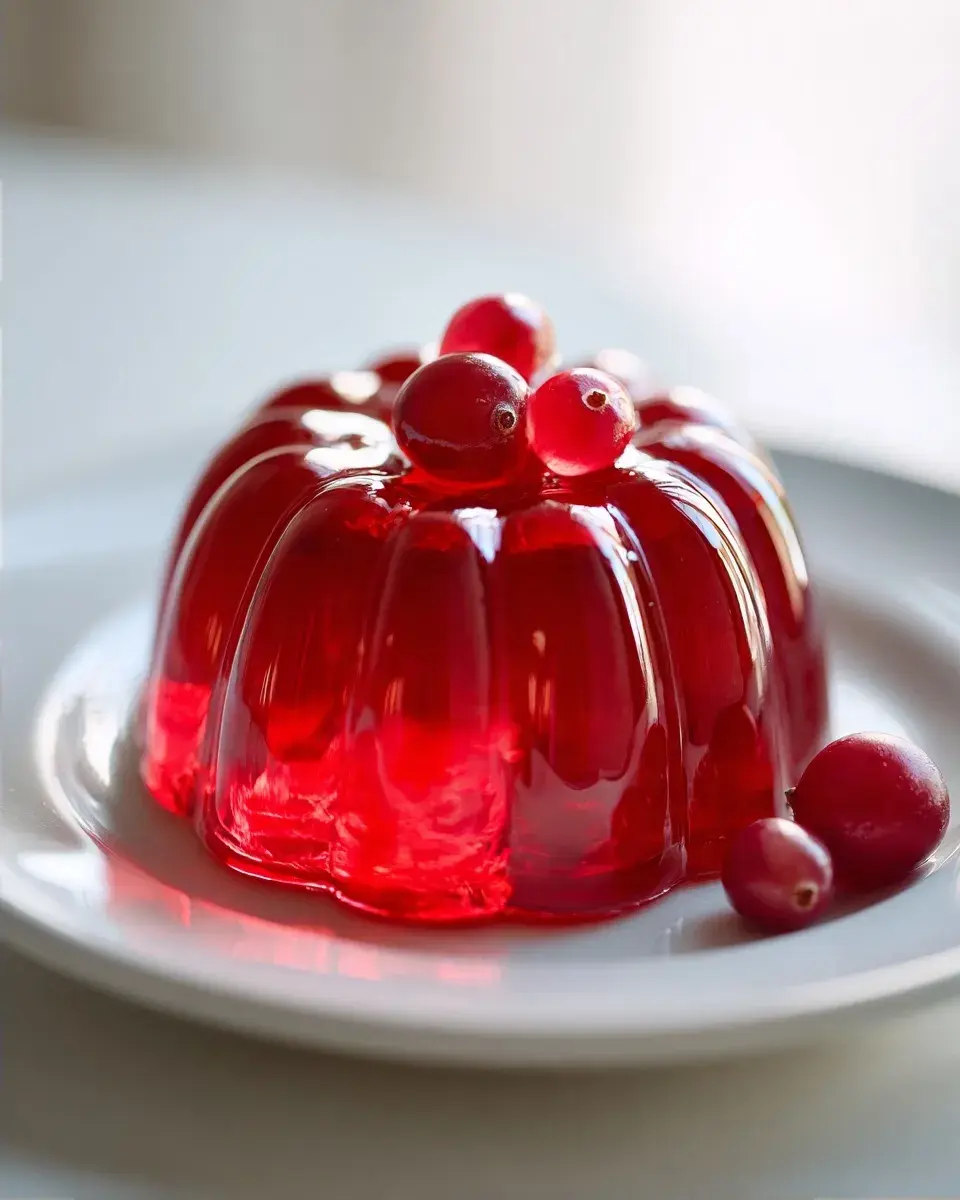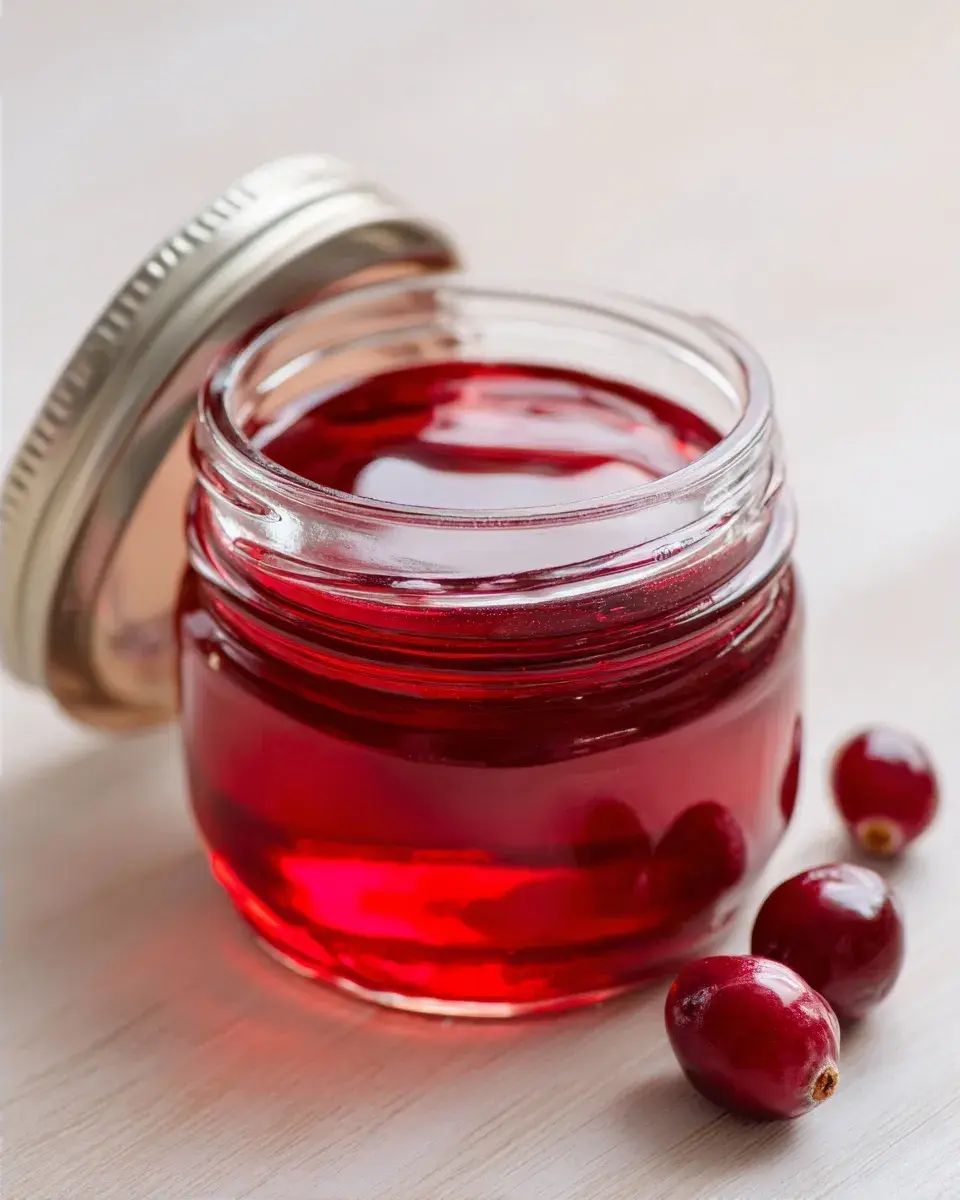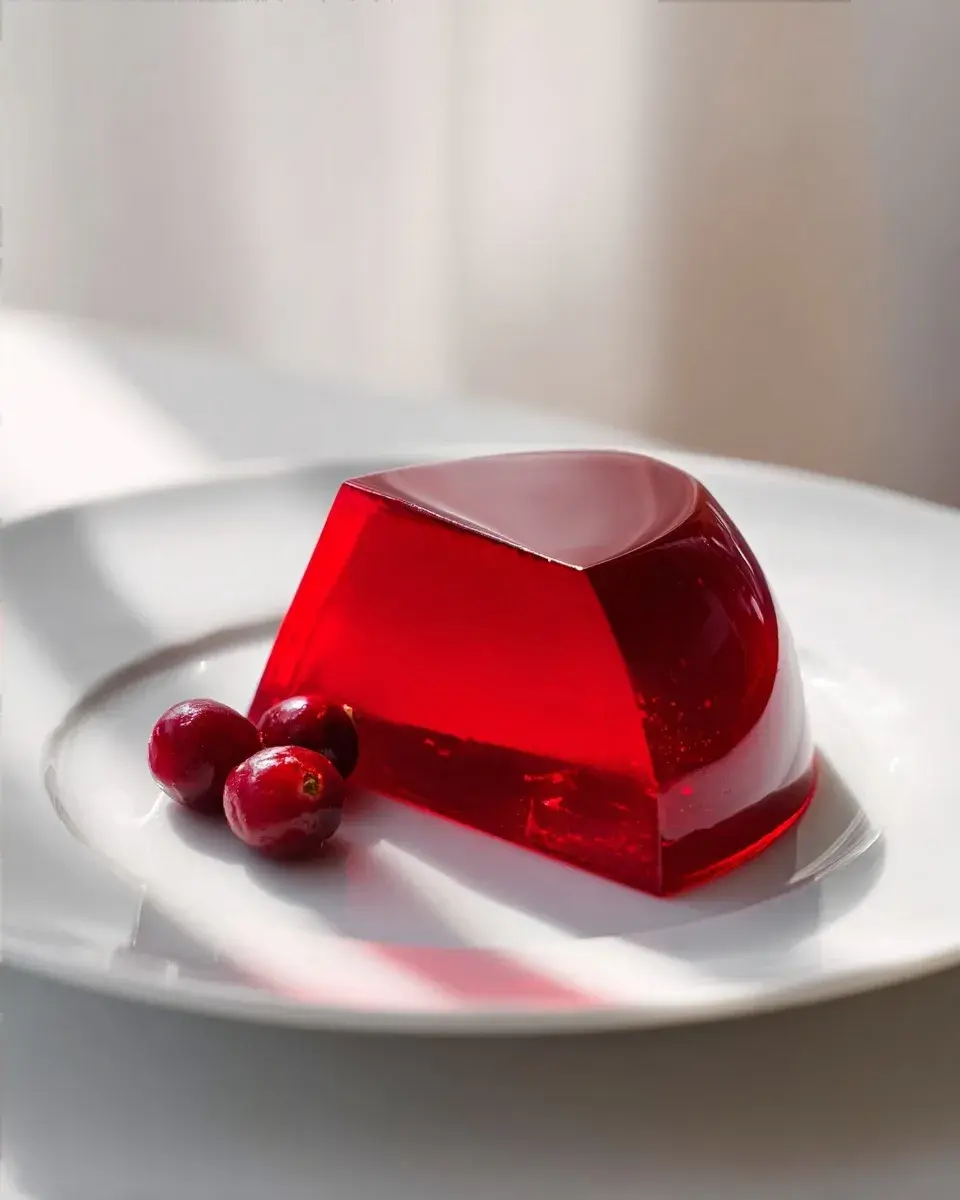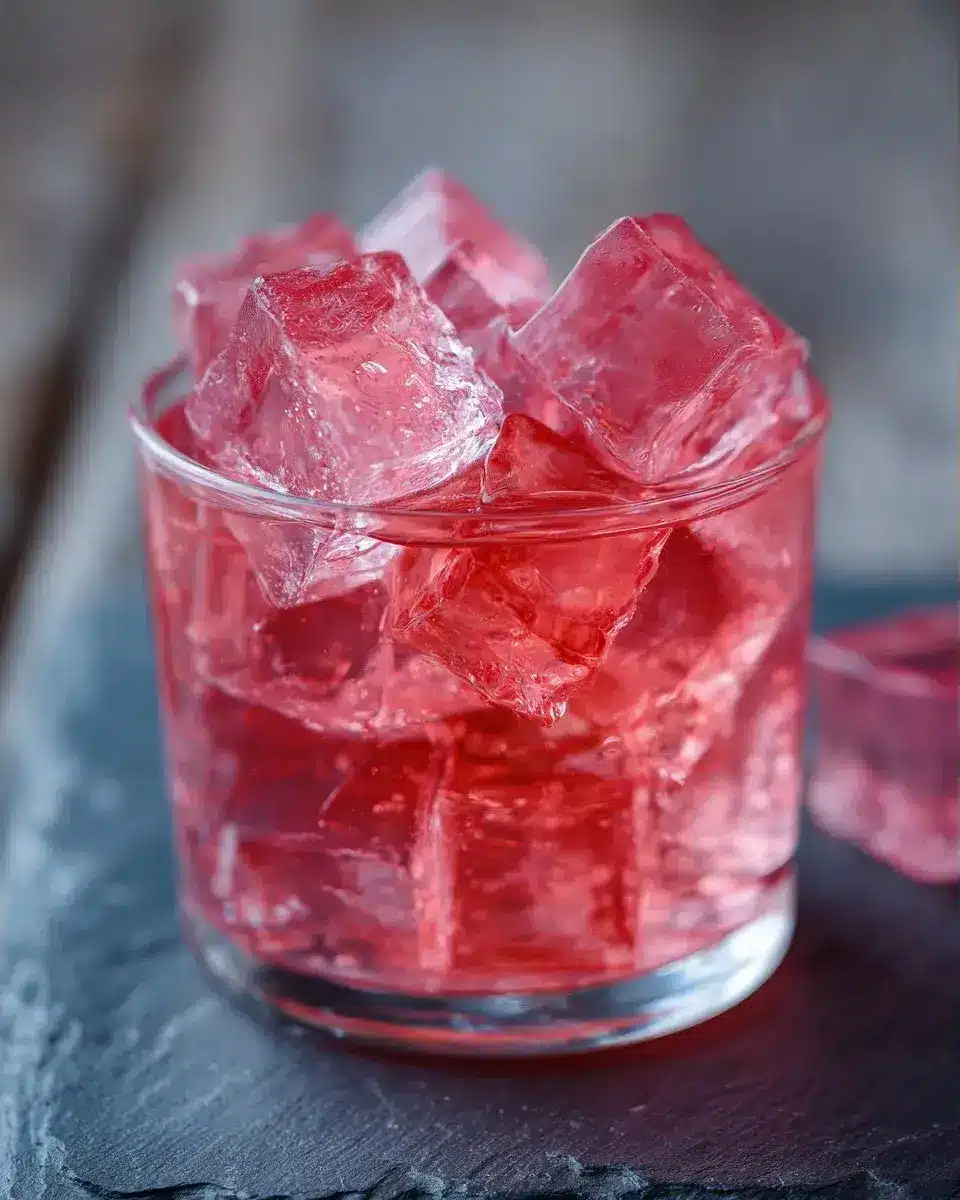
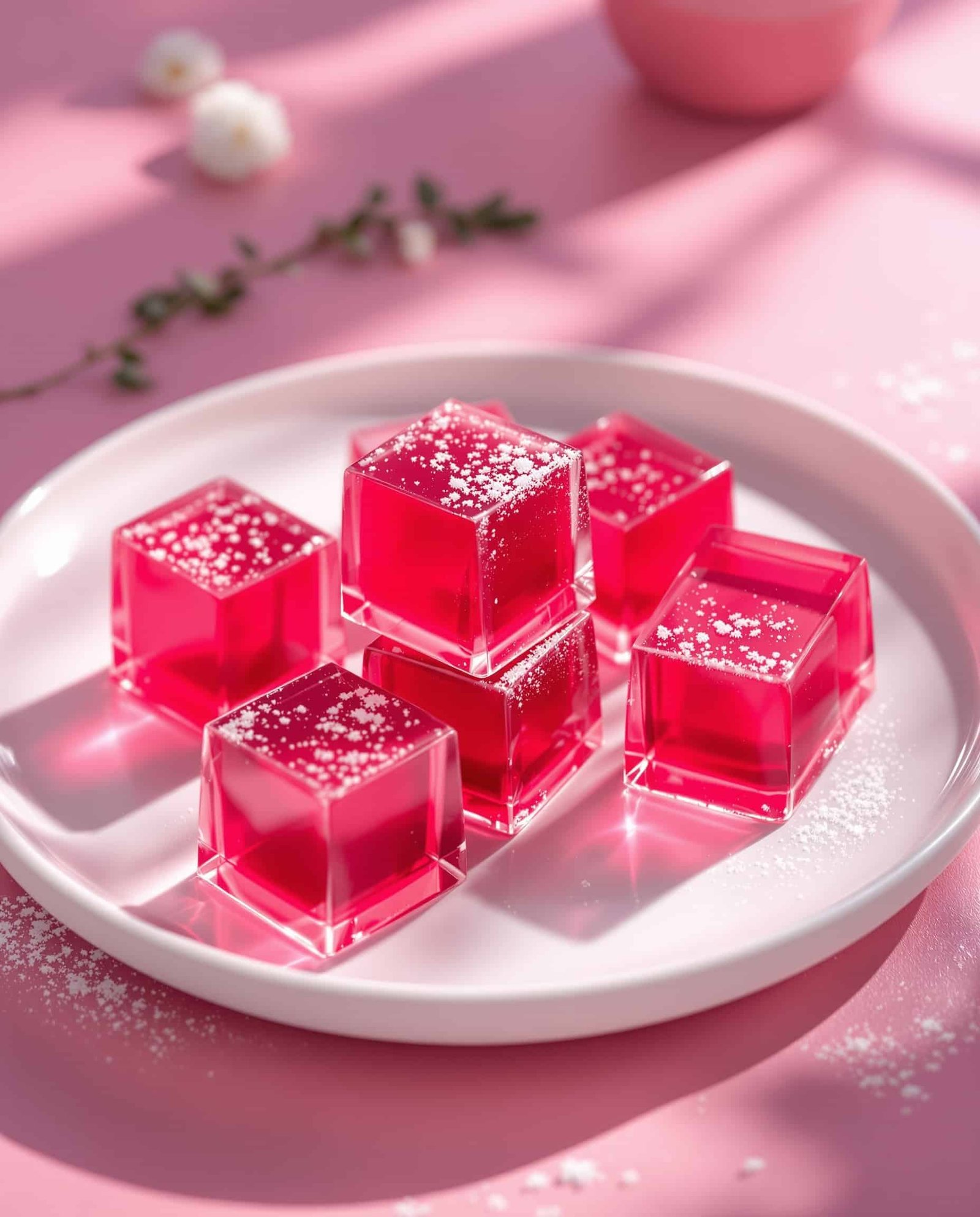
Let’s be honest: navigating the world of weight loss snacks can feel like a minefield of misleading claims and unsatisfying bites. You’re hungry, you want something substantial, but you also need to stick to your calorie goals. That’s where the gelatin trick with beet juice comes in. This isn’t some magic fat-burning elixir; it’s a simple, science-backed way to create a low-calorie, high-volume snack that can help you feel full without derailing your efforts. I’ve been there, staring into the fridge, wishing for something that actually works. This recipe focuses on understanding how gelatin and high-volume foods can play a real role in managing hunger, making your weight loss journey a little bit easier and a lot more satisfying.
| Prep Time | 15 minutes | Cook Time | 5 minutes |
| Servings | 4 | Calories | 55 kcal |
Ingredients
- 1 cup (240ml) 100% beet juice, unsweetened
- 1 cup (240ml) cold water
- 2 tablespoons (28g) unflavored gelatin powder
- 1 teaspoon rouge-transparent natural food coloring (optional, for vibrant color)
- 1 tablespoon (15ml) fresh lemon juice (optional, for brightness)
- 1-2 tablespoons (15-30ml) erythritol or stevia (to taste, optional)
Recommended Tools You’ll Need
| Tool | Why You Need It |
|---|---|
| Small Saucepan | Essential for gently dissolving the gelatin without burning. |
| Whisk or Spoon | For stirring and ensuring the gelatin dissolves smoothly and ingredients combine. |
| Measuring Cups and Spoons | Crucial for accurate ingredient ratios, especially with gelatin to achieve the right consistency. |
| Glass Dish or Molds | For setting the gelatin. Glass provides a non-reactive surface and allows easy cooling. |
Instructions
- In a small saucepan, pour 1 cup of cold water. Sprinkle the unflavored gelatin powder evenly over the cold water. Let it ‘bloom’ for 5 minutes without stirring. This allows the gelatin to absorb the water and ensures a smooth texture.
- Place the saucepan over medium-low heat. Gently stir the gelatin mixture until the gelatin is completely dissolved. This should take about 2-3 minutes. Do not boil, just heat until clear. Remove from heat.
- Stir in the unsweetened beet juice, rouge-transparent natural food coloring (if using), lemon juice (if using), and your chosen sweetener (if using). Mix until all ingredients are well combined.
- Carefully pour the mixture into a glass dish or individual serving molds. For elegant cubes, a square or rectangular glass dish works best.
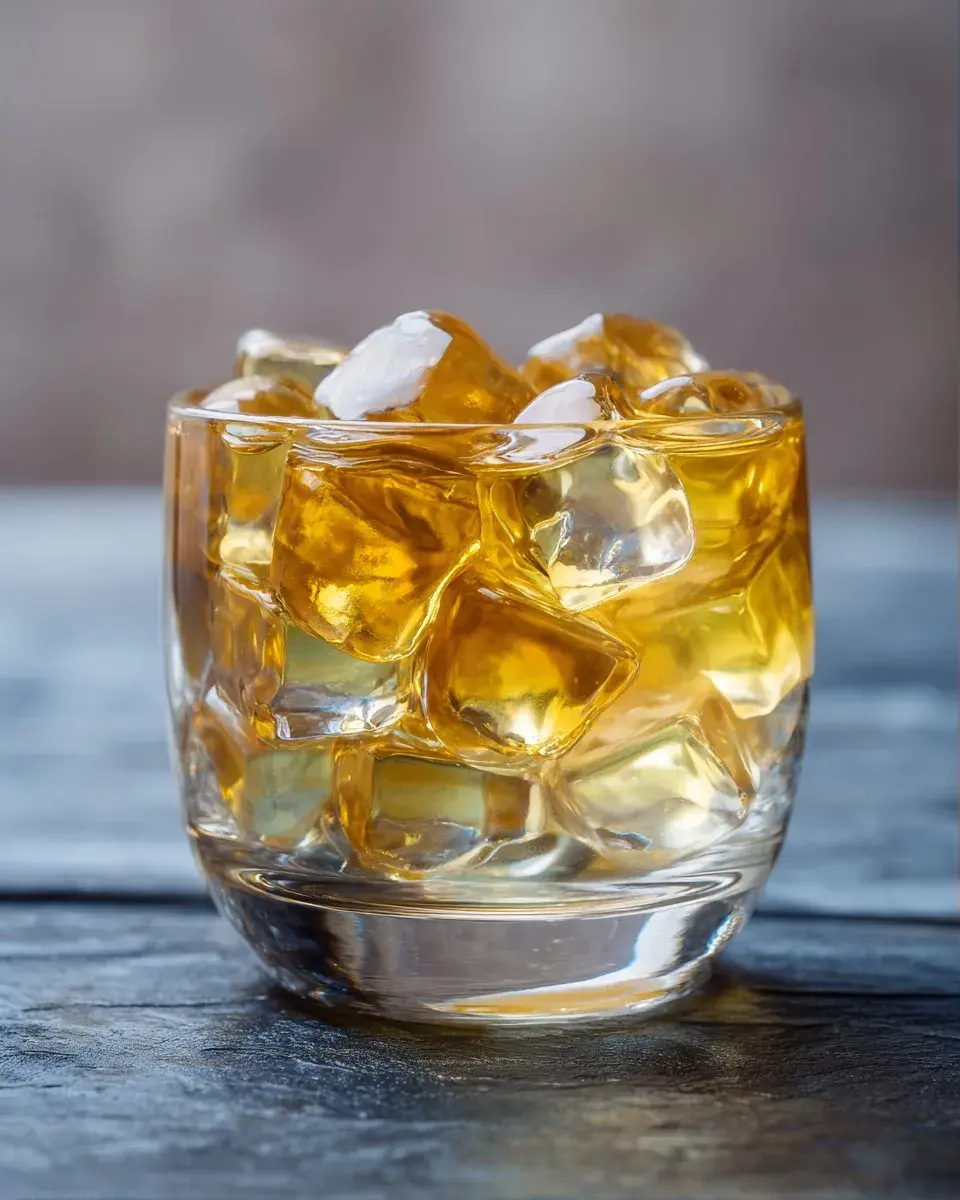
- Refrigerate for at least 4 hours, or until completely set and firm. Once set, cut into desired shapes (cubes are perfect for snacking). Serve chilled.
Calorie Reality
At approximately 55 calories per serving, this beet juice gelatin is a fantastic low-calorie snack. For someone aiming for a typical 1500-2000 calorie daily budget, this represents a small fraction of your intake, leaving plenty of room for nutrient-dense meals. It’s designed to satisfy a craving without significant caloric impact, making it a smart choice when hunger strikes between meals.
About Your Daily Budget: Your Total Daily Energy Expenditure (TDEE) is the total number of calories your body burns in a day, including resting metabolism, digestion, and physical activity. To lose weight, you generally need to consume fewer calories than your TDEE.
Diet Compatibility
Compatible with: Low-Calorie Diets, High-Protein Diets, Gluten-Free Diets, Dairy-Free Diets
Not compatible with: Vegan Diets (contains gelatin), Keto Diets (due to carbs in beet juice, even if small)
Warning: Mixing Diets: Attempting to combine vastly different dietary approaches, like trying to be both ketogenic and low-fat, can be counterproductive and even unhealthy. Our bodies are complex, and forcing them into conflicting metabolic states can lead to nutritional deficiencies and confusion. For example, simultaneously restricting both carbs and fats in an extreme way can severely limit food choices and nutrient intake. This can impact lipogenesis (the process of converting carbohydrates into fatty acids for storage), making it harder for your body to adapt efficiently to either approach. Pick one scientifically sound method and stick with it for consistent results and better health outcomes. Always consult a healthcare professional before making drastic dietary changes.
Expert Tips
To maximize the weight loss benefits of this snack, focus on mindful eating. Pay attention to the texture, flavor, and how it makes you feel. Don’t just mindlessly gobble it down. Consider adding a small amount of unflavored collagen peptides (different from gelatin, but also protein) to your morning coffee or smoothie for an extra protein boost throughout the day. For optimal setting, ensure your gelatin powder is fresh and you don’t boil the mixture, as excessive heat can degrade gelatin’s setting power. Always use cold water to bloom the gelatin first for a smooth, lump-free result.
Macros Breakdown
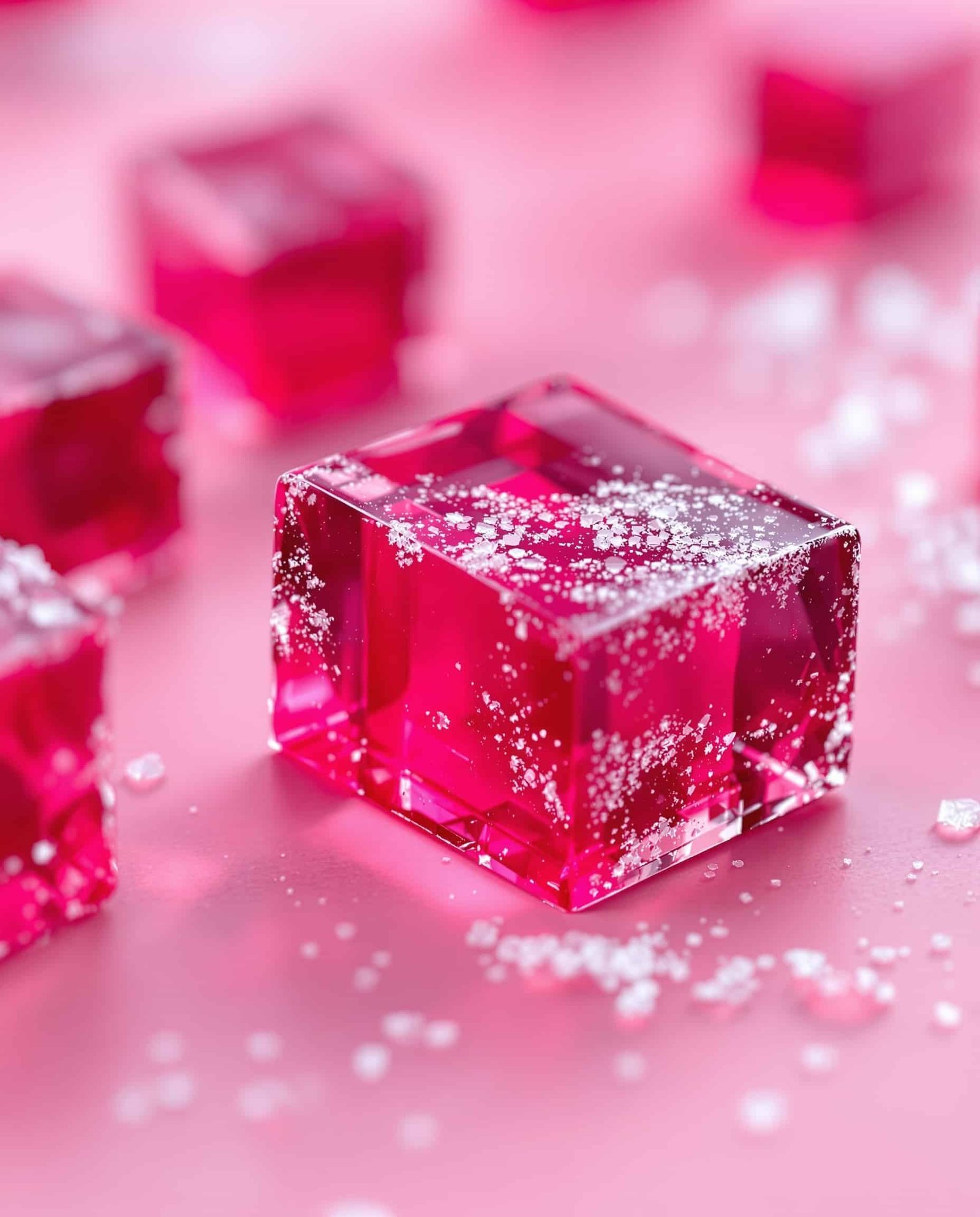
This recipe is primarily a source of protein from the gelatin and some carbohydrates from the beet juice. The high protein content (7g per serving!) for so few calories is a key reason this snack can be satisfying, as protein is known for its satiating properties. It’s virtually fat-free and low in fiber, making it a light yet filling option that won’t add significant calories from fat, which is often a denser calorie source.
Nutrition Information (per serving)
| Calories | Protein | Carbs | Fat | Fiber |
|---|---|---|---|---|
| 55 kcal | 7g | 6g | -g | -g |
Key Terms Explained
| Term | Explanation | Why it matters here |
|---|---|---|
| Gelatin | Gelatin is a protein derived from collagen. It forms a gel when dissolved in hot water and then cooled, giving food a jiggly texture. | It’s the core ingredient, providing protein for satiety and the unique texture of this snack. |
| Satiety | Satiety is the feeling of fullness and satisfaction that prevents you from eating more. Foods high in protein and fiber tend to be more satiating. | Gelatin’s protein content contributes to satiety, helping you feel fuller for longer on fewer calories. |
| Calorie Density | Calorie density refers to the number of calories in a given weight of food (e.g., calories per gram). Low-calorie-density foods help you eat more volume for fewer calories. | This recipe is a low-calorie-density food, allowing you to consume a larger portion for minimal caloric impact. |
The Truth About This Recipe
Let’s be clear: no single food, including this gelatin trick with beet juice, is a ‘magic bullet’ for weight loss. The fundamental principle of weight loss remains a consistent calorie deficit – consuming fewer calories than your body burns. This recipe is a tool to help you achieve that deficit by offering a satisfying, low-calorie snack. It won’t melt fat overnight, but it can make the journey of eating less feel more manageable and enjoyable. Think of it as a helpful player on your team, not the entire team itself. Your overall dietary pattern and activity level are what truly count.
Move Your Body
Remember, every bit of movement helps! The 55 calories in one serving of this gelatin could be burned off with about 10-15 minutes of brisk walking. Think of how quickly those small movements add up to support your weight loss goals alongside smart food choices.
Delicious Variations
For a ‘keto’ variation, you’d need to replace beet juice with a very low-carb liquid like unsweetened almond milk and add a sugar-free flavor extract (e.g., vanilla, berry). For a ‘low-carb’ version, you could use a small amount of berry puree mixed with extra water and sweetener instead of beet juice. For a ‘Mediterranean’ twist, try infusing the water with a sprig of fresh mint or a few basil leaves before dissolving the gelatin, and use pomegranate juice instead of beet juice (adjusting for sugar content).
Healthier Alternatives
Instead of artificial sweeteners, consider using a natural, non-caloric sweetener like a tiny pinch of monk fruit extract, or simply rely on the natural sweetness of the beet juice. If you find the beet flavor too strong, you can dilute the beet juice with more water, or mix it with another low-sugar juice like tart cherry. Using fresh, homemade beet juice ensures no added sugars, which is always the healthiest option. If you’re not a fan of beets, try using pureed berries (strained to remove seeds) for a different flavor profile while maintaining a low-calorie count.
Serving Suggestions
These gelatin cubes are fantastic on their own as a refreshing, low-calorie snack. You can also serve them alongside a small handful of unsalted nuts for added healthy fats and fiber, which can further enhance satiety. Be cautious about pairing them with high-calorie, sugary toppings like whipped cream or ice cream, as this would completely negate the low-calorie benefit for weight loss. A sprinkle of fresh mint or a squeeze of lime can add a gourmet touch without extra calories.
Storage Instructions
Store the set gelatin cubes in an airtight container in the refrigerator for up to 5-7 days. While they will keep, the texture may start to soften slightly after a few days. Freezing gelatin is generally not recommended, as it can alter the texture and make it watery upon thawing. Always ensure the container is sealed well to prevent absorption of refrigerator odors and to maintain freshness.
Frequently Asked Questions
Can I use any type of gelatin for this recipe?
It’s best to use unflavored powdered gelatin, often labeled as ‘knox gelatin’ or similar. Collagen peptides are different and won’t set into a firm gel like traditional gelatin.
How does this ‘gelatin trick’ help with weight loss?
The gelatin provides a good amount of protein for very few calories, which helps increase satiety – making you feel full and satisfied. The high water content and volume of the gelatin also contribute to this feeling of fullness, helping you eat less overall.
Is beet juice good for weight loss?
Beet juice is low in calories and nutrient-dense, and its natural nitrates can support blood flow. While it doesn’t directly cause weight loss, it’s a healthy, low-calorie liquid to include in a balanced diet aimed at calorie deficit.
Can I add fruit to the gelatin?
Yes, but be mindful of the calorie and sugar content. Adding small pieces of low-sugar fruits like berries (strawberries, raspberries) can be a delightful addition, but account for their calories if tracking.
I’m vegan, is there an alternative to gelatin?
Yes, you can use agar-agar powder as a vegan alternative. The ratio might differ, so follow the package instructions for agar-agar to water for a similar firm gel consistency.
Conclusion
There you have it: the gelatin trick with beet juice. It’s not a magic pill, and it won’t make pounds disappear overnight. What it *will* do is provide you with an honest, science-backed tool to manage hunger and reduce overall calorie intake in a genuinely satisfying way. Weight loss is a journey of small, consistent choices, and understanding *why* certain foods help is far more empowering than just following a fad. Remember, I’m not a doctor, but I’ve done my homework. This recipe leverages the power of protein and volume to help you feel full, making that calorie deficit a little less daunting. So, give it a try. Enjoy the vibrant color, the jiggly texture, and the feeling of smart, sustained satiety. Your body and your weight loss goals will thank you for making informed, honest choices.