Gelatin Trick with Beet Juice
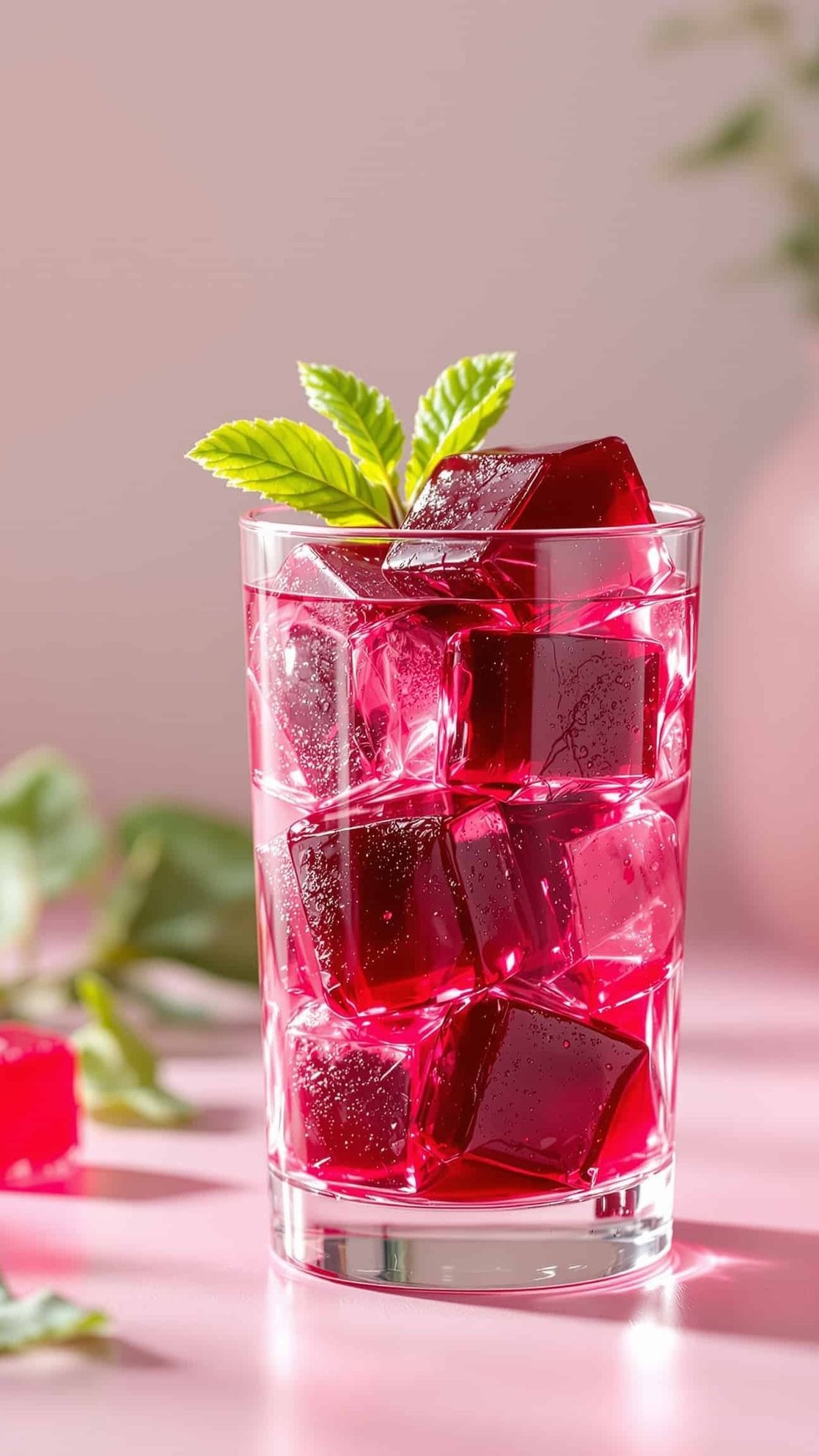
Discover the gelatin trick with beet juice! Learn how this simple, satisfying recipe can support your weight loss goals with honest, science-backed nutrition.
Let’s be honest: weight loss isn’t about magic pills or fad diets. It’s about understanding your body, making smarter food choices, and enjoying what you eat within a calorie deficit. Today, we’re diving into a simple yet satisfying recipe that can genuinely help you feel fuller for longer: the gelatin trick with beet juice. This isn’t some secret fat-burning concoction; it’s a clever way to add volume and a touch of protein to your diet without loading up on calories. We’ll break down why this works, what gelatin actually does, and how to whip up this vibrant, delicious treat.
| Prep Time | 15 minutes | Cook Time | 5 minutes |
| Servings | 6 | Calories | 60 kcal |
Ingredients
- 2 cups (480ml) 100% beet juice, unsweetened
- 1/2 cup (120ml) cold water
- 2 tablespoons (28g) unflavored gelatin powder
- 1/4 cup (60ml) water, boiling hot
- 1 tsp rouge-transparent natural food coloring (optional, for enhanced color)
Recommended Tools You’ll Need
| Tool | Why You Need It |
|---|---|
| Small Saucepan | For gently warming the beet juice without overheating, preserving its nutrients and preventing denaturing the gelatin. |
| Measuring Cups and Spoons | Precision is key for consistent gelatin setting and accurate nutritional tracking. |
| Whisk | Ensures thorough mixing of gelatin, preventing lumps and ensuring a smooth, uniform texture. |
| Glass Pan or Individual Serving Glasses | Ideal for chilling and serving, allowing for easy portion control and a beautiful presentation. |
Instructions
- In a small bowl, sprinkle the unflavored gelatin powder over the 1/2 cup of cold water. Let it sit for 5 minutes to ‘bloom’ or soften.
- In a medium saucepan, gently warm the 2 cups of beet juice over low heat until just warm, not boiling. Remove from heat.
- Pour the 1/4 cup of boiling hot water over the bloomed gelatin mixture. Stir continuously until the gelatin is completely dissolved and no granules remain. If using, stir in the rouge-transparent natural food coloring now.
- Add the dissolved gelatin mixture to the warm beet juice. Stir well to combine thoroughly.
- Carefully pour the mixture into a glass pan (8×8 inch is ideal) or individual serving glasses.
- Refrigerate for at least 4 hours, or until fully set and firm.
- Once set, cut into cubes if using a pan, or serve directly from individual glasses. Enjoy cold.
Calorie Reality
At just 60 calories per serving, this gelatin treat fits perfectly into most calorie-controlled diets, representing a small fraction (around 3-4%) of a typical 1500-2000 kcal daily budget. It’s an excellent choice for a low-calorie snack or dessert that won’t derail your progress, offering volume and satiety without the caloric density of many other sweet options.
About Your Daily Budget: Your Total Daily Energy Expenditure (TDEE) is the total number of calories your body burns in a day, including basal metabolic rate, activity, and digestion. To lose weight, you generally need to consume fewer calories than your TDEE.
Diet Compatibility
Compatible with: Low-Calorie Diets, High-Protein Diets (as a supplement), Gluten-Free Diets, Dairy-Free Diets
Not compatible with: Vegan Diets, Vegetarian Diets (due to gelatin), Keto Diets (due to natural sugars in beet juice), Paleo Diets (some interpretations exclude gelatin, check specific guidelines)
Warning: Mixing Diets: Attempting to combine fundamentally different dietary approaches (e.g., strict Keto with high-carb vegan) can be counterproductive and even unhealthy. Your body relies on a balanced intake of macronutrients. Drastic shifts or contradictions can confuse metabolic pathways, potentially leading to nutrient deficiencies or issues like increased lipogenesis (fat storage) if you’re not careful about overall calorie and macro balance. Pick an approach that resonates with you and stick to it consistently, rather than trying to cherry-pick conflicting elements.
Expert Tips
For optimal weight loss, consistency is paramount. Pair this low-calorie treat with whole, unprocessed foods throughout the day. Don’t fall into the trap of ‘saving calories’ by skipping meals, only to overeat later. Instead, integrate satisfying, high-volume, low-calorie options like this gelatin. You can also experiment with different natural sweeteners like a tiny bit of stevia or erythritol if you need more sweetness without adding calories. Always prioritize adequate sleep and stress management, as these significantly impact hunger hormones and weight regulation.
Macros Breakdown
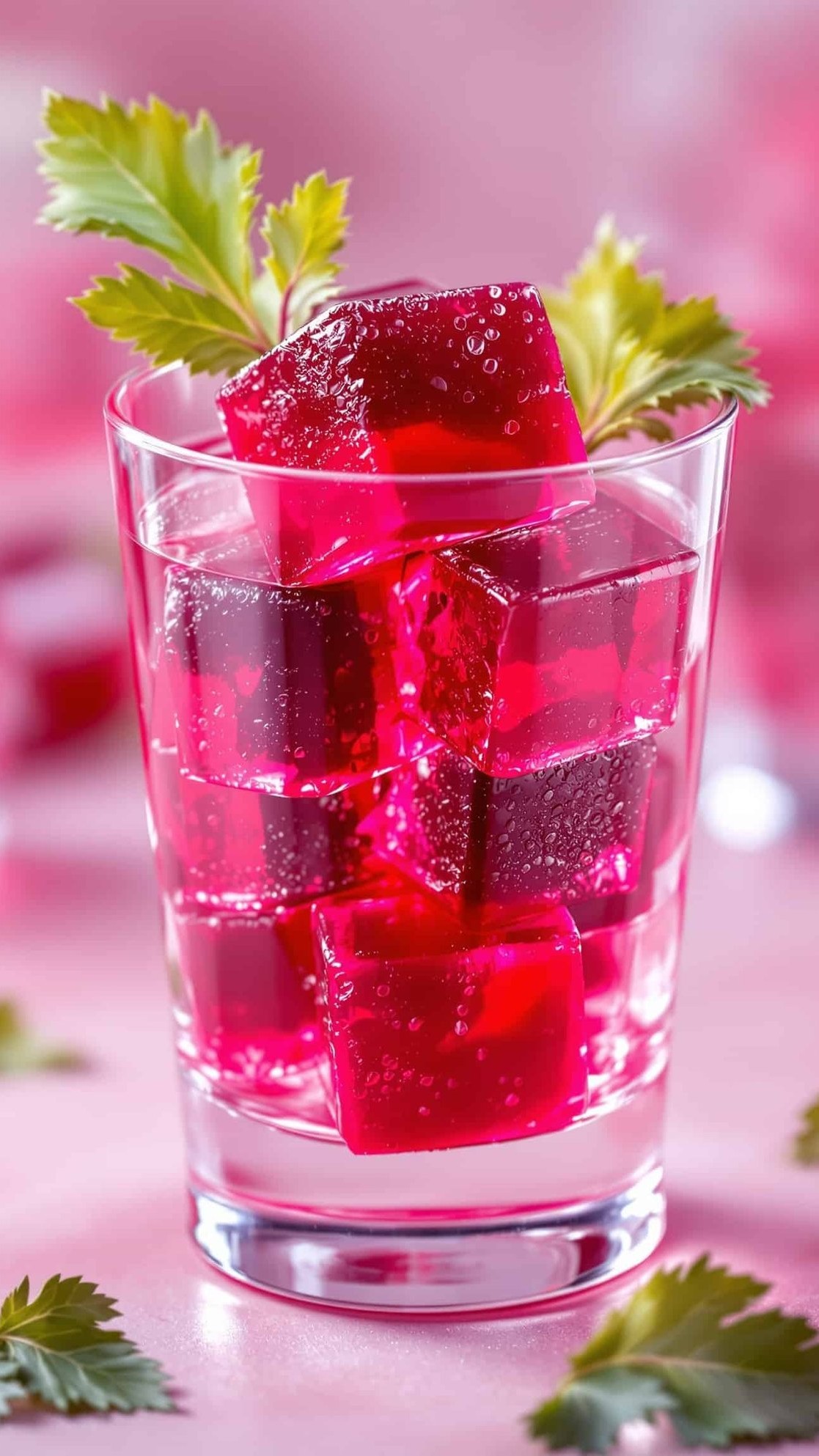
This recipe is primarily protein and carbohydrate, with virtually no fat or fiber. The protein comes from the gelatin, which is crucial for satiety, helping you feel full. While it’s not a complete protein, it contributes to your daily protein intake. The carbs are from the natural sugars in the beet juice. It’s a low-calorie way to satisfy a sweet craving and add some protein, which is key for weight management.
Nutrition Information (per serving)
| Calories | Protein | Carbs | Fat | Fiber |
|---|---|---|---|---|
| 60 kcal | 6g | 9g | -g | -g |
Key Terms Explained
| Term | Explanation | Why it matters here |
|---|---|---|
| Gelatin | A protein derived from animal collagen, gelatin forms a gel when dissolved in hot water and then cooled. It’s primarily composed of amino acids, especially glycine and proline. | Provides volume and protein with minimal calories, contributing to satiety and a feeling of fullness, which is beneficial for weight loss. |
| Satiety | The feeling of being full and satisfied after eating, which helps reduce the desire to eat more. Proteins and fiber are particularly good at promoting satiety. | The protein content in gelatin helps increase satiety, making this a smart snack choice to curb cravings between meals. |
| Calorie Deficit | Consuming fewer calories than your body expends. This is the fundamental principle for weight loss, as your body then uses stored energy (fat) for fuel. | This recipe is designed to be low in calories, making it an easy addition to a calorie-deficit eating plan without compromising taste or satisfaction. |
Gelatin Trick with Beet Juice
Discover the gelatin trick with beet juice! Learn how this simple, satisfying recipe can support your weight loss goals with honest, science-backed nutrition.
Ingredients
Instructions
- In a small bowl, sprinkle the unflavored gelatin powder over the 1/2 cup of cold water. Let it sit for 5 minutes to ‘bloom’ or soften.
- In a medium saucepan , gently warm the 2 cups of beet juice over low heat until just warm, not boiling. Remove from heat.
- Pour the 1/4 cup of boiling hot water over the bloomed gelatin mixture. Stir continuously until the gelatin is completely dissolved and no granules remain. If using, stir in the rouge-transparent natural food coloring now.
- Add the dissolved gelatin mixture to the warm beet juice. Stir well to combine thoroughly.
- Carefully pour the mixture into a glass pan (8×8 inch is ideal) or individual serving glasses.
- Refrigerate for at least 4 hours, or until fully set and firm.
- Once set, cut into cubes if using a pan, or serve directly from individual glasses. Enjoy cold.