Chocolate Protein Powder Recipes
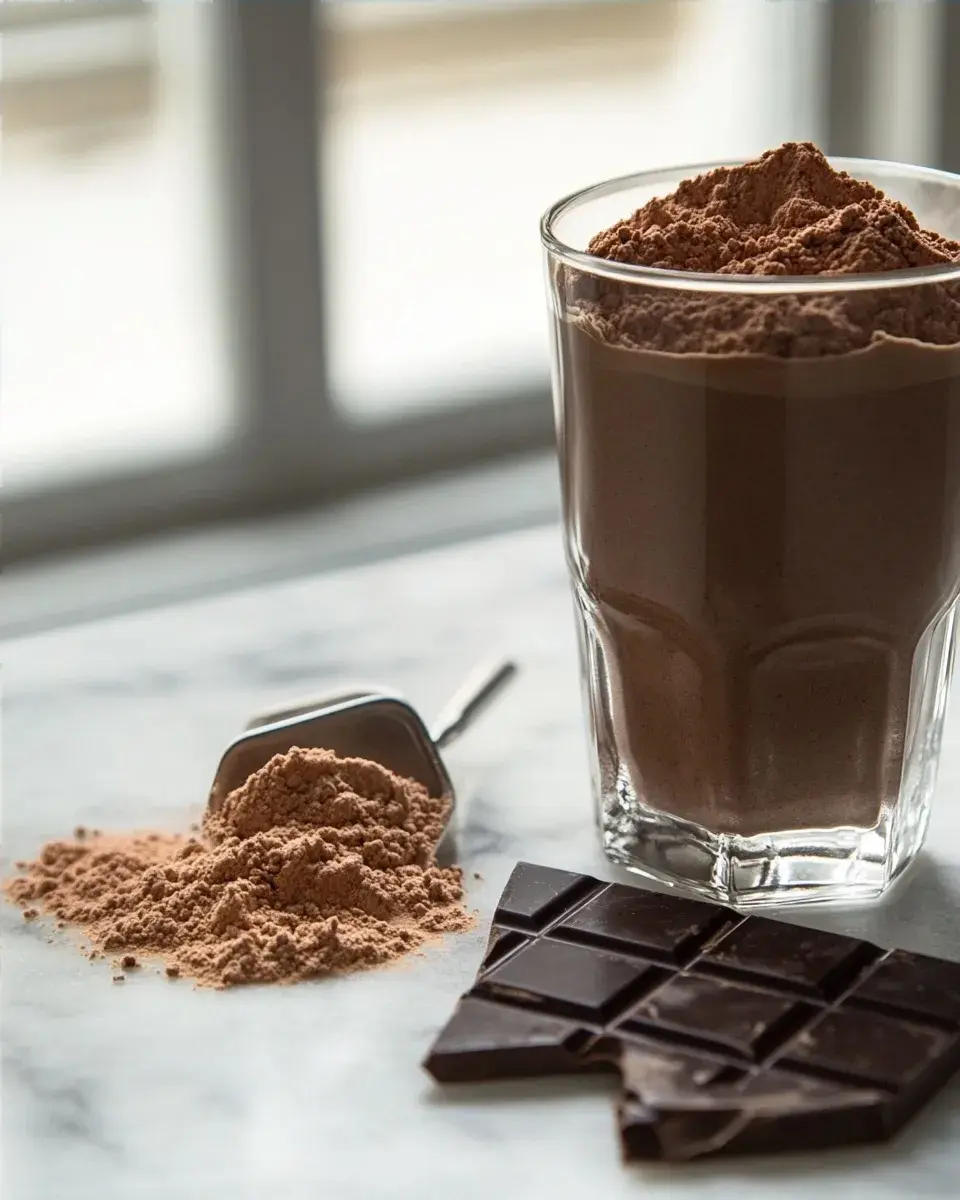
Craving chocolate? These 7 chocolate protein powder recipes are delicious and healthy. Fuel your body with protein and satisfy your sweet tooth!
Let’s be real: healthy eating shouldn’t feel like punishment. We all crave something sweet sometimes, and denying those cravings can backfire. These chocolate protein powder recipes are your secret weapon against derailing your goals. They’re designed to satisfy your sweet tooth while delivering a protein boost. Forget restrictive diets; these recipes integrate seamlessly into a balanced lifestyle, offering a delicious and guilt-free way to enjoy the benefits of chocolate protein powder.
| Prep Time | 10 | Cook Time | 15 |
| Servings | 1 | Calories | 320 kcal |
Ingredients
- 1 scoop (30g) chocolate protein powder
- 1/2 cup (120ml) unsweetened almond milk
- 1/4 cup (25g) rolled oats
- 1 tablespoon (15g) chia seeds
- 1 tablespoon (7g) unsweetened cocoa powder
- 1/4 teaspoon vanilla extract
- Optional: Stevia or erythritol to taste
Recommended Tools You’ll Need
| Tool | Why You Need It |
|---|---|
| Shaker Bottle | For quick and easy mixing, especially when you’re on the go. |
| Microwave-Safe Mug | Perfect for cooking the recipe quickly and conveniently. |
| Measuring Spoons | Ensures accurate ingredient measurements for consistent results. |
| Blender | Ideal for achieving an ultra-smooth texture. |
Calorie Reality
This recipe provides around 320 calories, which could be a significant portion of a calorie-controlled diet. If you’re aiming for weight loss, understanding your total daily calorie needs is crucial. Tracking your intake and adjusting portion sizes can help you stay within your calorie goals and achieve sustainable results.
About Your Daily Budget: Your TDEE, or Total Daily Energy Expenditure, is the amount of calories you burn each day. Factors like activity level, age, sex, and body composition influence this. Knowing your TDEE helps you estimate how much to eat to lose, maintain, or gain weight.
Diet Compatibility
Compatible with: Vegetarian, High-Protein Diets, Gluten-Free (ensure oats are certified gluten-free)
Not compatible with: Keto (as is)
Warning: Mixing Diets: Consuming a very large amount of protein in a single serving, along with a high amount of carbs and fats, *could* theoretically contribute to lipogenesis, especially if your overall calorie intake exceeds your expenditure. Lipogenesis is the process where excess carbohydrates are converted into fatty acids and stored as body fat. Moderation and balance are key!
Expert Tips
For a creamier texture, use a high-speed blender. Don’t overcook in the microwave, or it will become rubbery. For weight loss, consider reducing the oats slightly to lower the carb count. Pay attention to total daily calories for effective results.
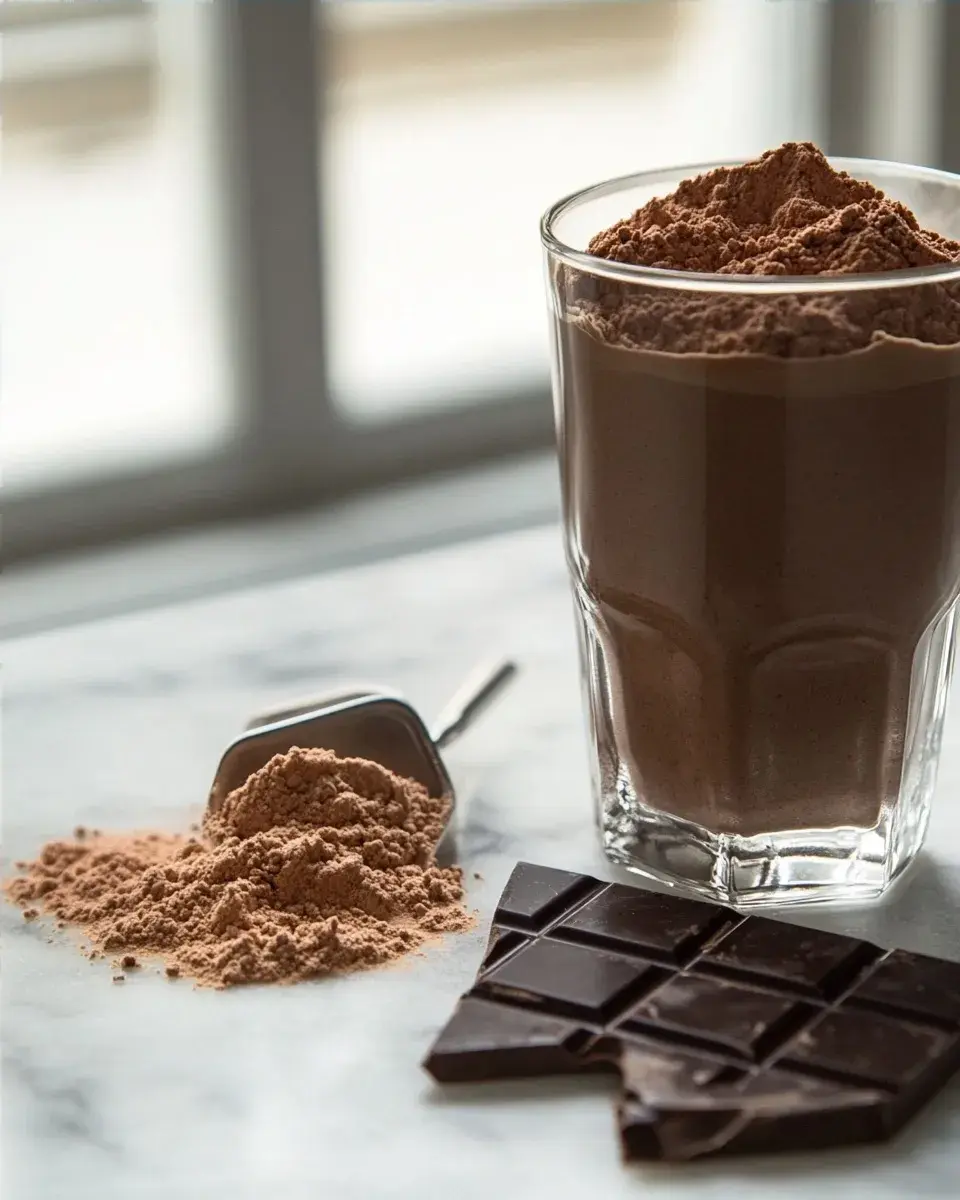
Macros Breakdown
This recipe boasts a good balance of macronutrients but is protein-heavy. Fiber from the oats and chia seeds aids digestion and promotes fullness. Be mindful of total fat intake throughout the day to maintain a healthy balance. Excess carbs can be stored as fat if not burned through activity.
Nutrition Information (per serving)
| Calories | Protein | Carbs | Fat | Fiber |
|---|---|---|---|---|
| 320 kcal | 28g | 35g | 12g | 10g |
Chocolate Protein Powder Recipes
Craving chocolate? These 7 chocolate protein powder recipes are delicious and healthy. Fuel your body with protein and satisfy your sweet tooth!
Ingredients
Instructions
- Combine all ingredients in a shaker bottle or blender.
- Shake or blend until smooth.
- Pour into a microwave-safe mug or bowl.
- Microwave on high for 60-90 seconds, or until cooked through.
- Let cool slightly before enjoying.