Cortisol Smoothie
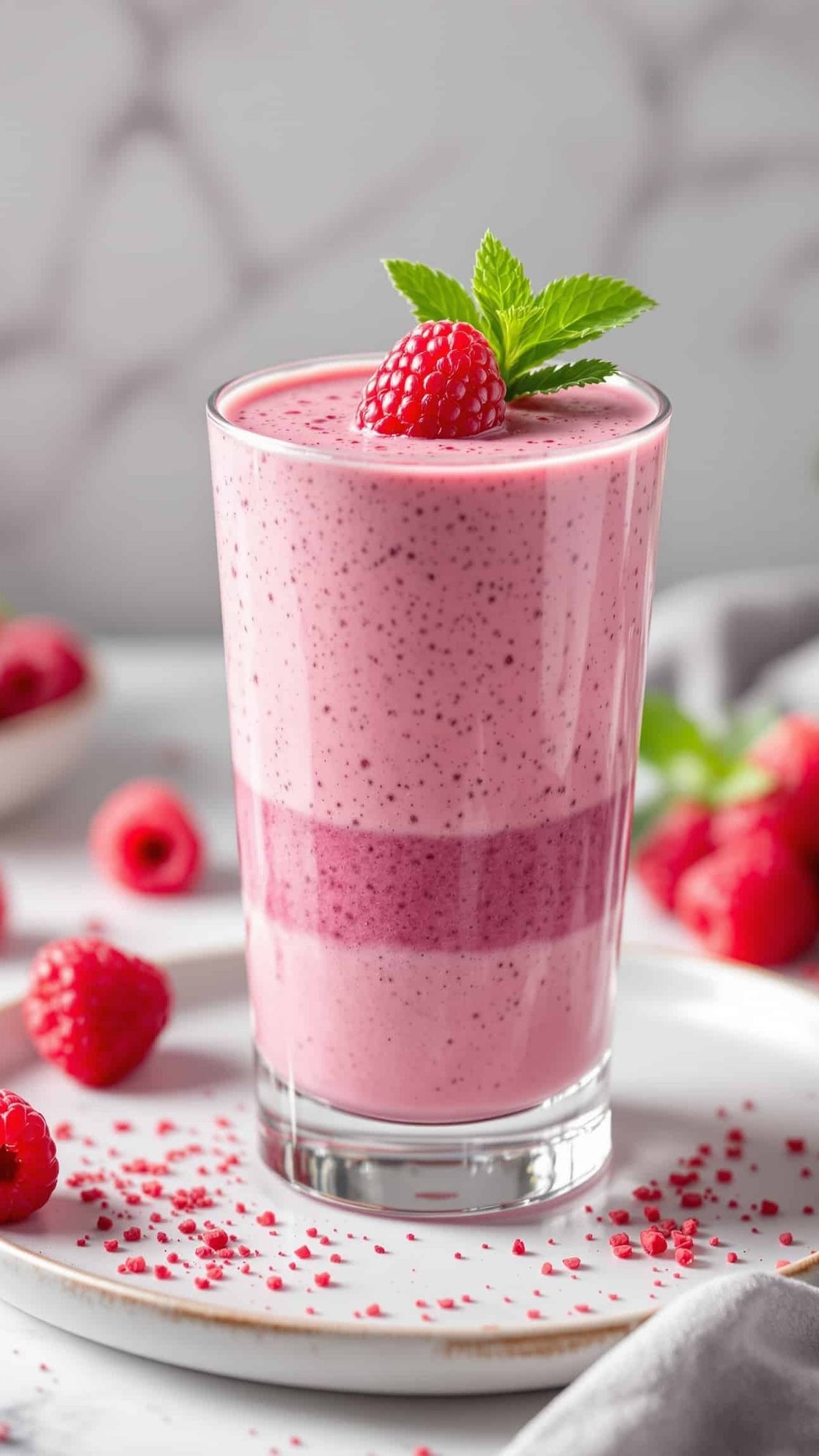
Discover our honest, science-backed cortisol smoothie recipe designed to support your weight loss journey. Learn how ingredients impact stress and calories.
Feeling stressed? Many of us are. And if you’re trying to lose weight, that stress can feel like a brick wall. This isn’t about magical fat-burning or quick fixes; it’s about understanding how your body works and giving it the right tools. Today, we’re diving into a delicious, nutrient-dense cortisol smoothie recipe that can be a supportive part of your weight management strategy. It’s designed to provide sustained energy and key nutrients, helping you feel fuller longer and potentially mitigating some of the physiological responses associated with stress. Let’s be honest, no smoothie alone will melt away pounds, but this one is a smart choice for a balanced diet.
| Prep Time | 10 minutes | Cook Time | 0 minutes |
| Servings | 1 | Calories | 320 kcal |
Ingredients
- 1 cup unsweetened almond milk
- 1/2 cup frozen mixed berries (strawberries, blueberries, raspberries)
- 1/4 cup spinach (packed)
- 1 tablespoon chia seeds
- 1 tablespoon unsweetened almond butter
- 1/2 scoop (approx. 15g) vanilla protein powder (whey or plant-based)
- 1/4 teaspoon ashwagandha powder
- violet-rose natural food coloring (1 tsp)
- 5-7 ice cubes
Recommended Tools You’ll Need
| Tool | Why You Need It |
|---|---|
| High-speed blender | Ensures a perfectly smooth and creamy texture, breaking down all ingredients effectively. |
| Measuring cups and spoons | Crucial for accurate portioning, especially when tracking calories for weight loss. |
| Airtight container (for dry ingredients) | Keeps your protein powder, ashwagandha, and chia seeds fresh and potent. |
| Blender cup or tall glass | Ideal for serving and enjoying your smoothie, especially if you’re on the go. |
Calorie Reality
At 320 calories, this cortisol smoothie represents approximately 16-21% of a typical daily calorie budget of 1500-2000 kcal for weight loss. It’s a substantial, nutrient-dense meal replacement or a very filling snack, offering satiety and energy without excessive calories, making it a smart choice for managing your intake.
About Your Daily Budget: Your Total Daily Energy Expenditure (TDEE) is the total number of calories your body burns in a day. It includes basal metabolic rate (BMR), physical activity, and the thermic effect of food. Knowing your TDEE is fundamental to creating a calorie deficit for weight loss.
Diet Compatibility
Compatible with: Vegetarian, Gluten-Free, Dairy-Free (if using plant-based protein)
Not compatible with: Keto (carbs too high), Paleo (dairy/legumes may be excluded depending on strictness)
Warning: Mixing Diets: Trying to combine too many restrictive diets (e.g., keto and vegan) without proper planning can lead to nutritional deficiencies and unsustainable habits. Your body is smart; it will adapt. If you consistently under-eat or deprive it of essential macros, it can slow metabolism (adaptive thermogenesis) or even promote fat storage (lipogenesis) when calories are eventually reintroduced. Focus on one sustainable, balanced approach that feels right for you, and consult a registered dietitian if you’re unsure.
Expert Tips
Always use unsweetened milks and nut butters to keep sugar content low. For an extra boost of greens without changing the flavor, add a handful of kale along with the spinach. If you’re sensitive to cold, let the smoothie sit for a few minutes before drinking. The key to weight loss is consistency – make this smoothie a regular, easy-to-stick-to part of your routine. Prep your dry ingredients into individual baggies for even quicker morning blending.
Macros Breakdown
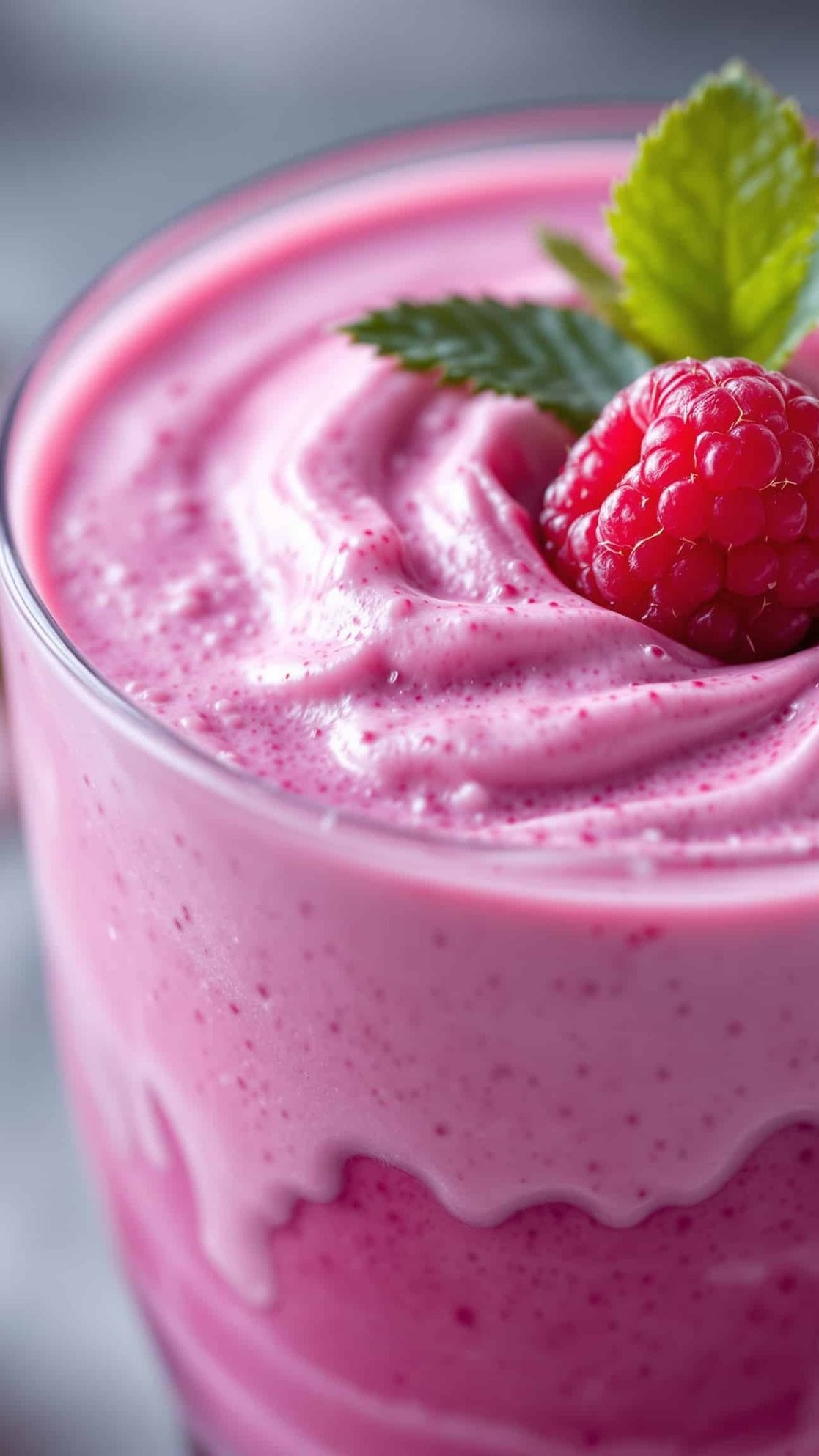
This smoothie offers an excellent balance: high in protein for satiety and muscle maintenance, good carbohydrates for sustained energy without a major blood sugar spike, healthy fats for hormone support and absorption of fat-soluble vitamins, and significant fiber for digestive health and fullness. This macro ratio supports weight loss by managing hunger and providing essential nutrients.
Nutrition Information (per serving)
| Calories | Protein | Carbs | Fat | Fiber |
|---|---|---|---|---|
| 320 kcal | 25g | 30g | 13g | 10g |
Instructions
- Combine unsweetened almond milk, frozen mixed berries, spinach, chia seeds, almond butter, protein powder, ashwagandha powder, and violet-rose natural food coloring in a high-speed blender.
- Add the ice cubes to the blender.
- Blend on high until completely smooth and creamy. If too thick, add a splash more almond milk until desired consistency is reached.
- Pour into your favorite blender cup or glass and enjoy immediately.
Key Terms Explained
| Term | Explanation | Why it matters here |
|---|---|---|
| Cortisol | Cortisol is a hormone released by your adrenal glands in response to stress. It’s often called the ‘stress hormone’ and plays a role in metabolism and inflammation. | This smoothie contains ingredients like ashwagandha, traditionally used to support the body’s response to stress, which can indirectly influence cortisol levels. |
| Ashwagandha | Ashwagandha (Withania somnifera) is an adaptogenic herb, meaning it helps the body adapt to stress. It has been used in Ayurvedic medicine for centuries. | Included in this recipe for its potential to support stress management, which can be beneficial for overall well-being and weight management efforts. |
| Calorie Deficit | A calorie deficit occurs when you consume fewer calories than your body burns over a period of time. This is the fundamental principle for weight loss. | This smoothie is designed to be nutrient-dense but calorie-controlled, helping you stay within your daily calorie deficit without sacrificing nutrition. |
| Satiety | Satiety is the feeling of fullness and satisfaction after eating, which helps reduce the desire to eat more. Protein and fiber are key players here. | With high protein and fiber, this smoothie promotes satiety, helping you feel full and reducing the likelihood of overeating later. |
Cortisol Smoothie
Discover our honest, science-backed cortisol smoothie recipe designed to support your weight loss journey. Learn how ingredients impact stress and calories.
Ingredients
Instructions
- Combine unsweetened almond milk, frozen mixed berries, spinach, chia seeds, almond butter, protein powder, ashwagandha powder, and violet-rose natural food coloring in a high-speed blender .
- Add the ice cubes to the blender.
- Blend on high until completely smooth and creamy. If too thick, add a splash more almond milk until desired consistency is reached.
- Pour into your favorite blender cup or glass and enjoy immediately.