Easy 3 Ingredient Gelatin Trick Recipe for Weight Loss
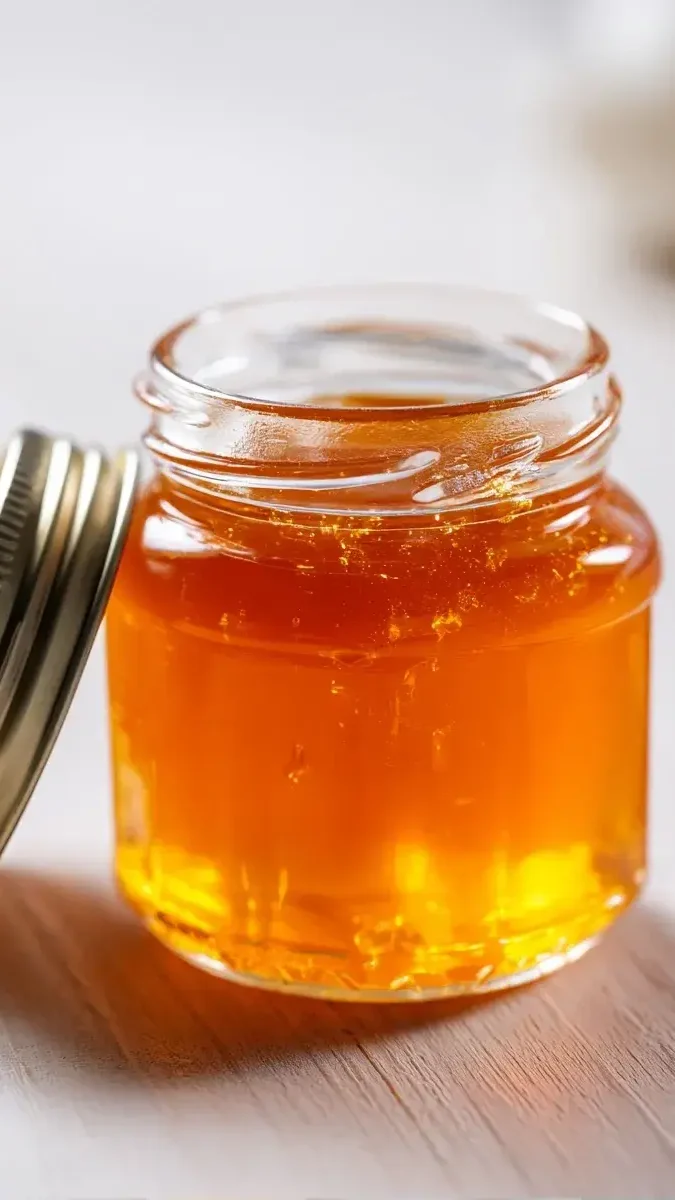
Try this easy 3 ingredient gelatin trick recipe for weight loss. A low-calorie, high-satiety snack. Learn the science and manage expectations for healthy habits.
Let’s cut through the noise. You’ve probably seen ‘magic’ gelatin tricks promising effortless weight loss. The truth? No single food melts fat. But, a simple, satisfying snack can be a powerful tool in your toolkit when you understand how it works. This recipe is that tool. It’s about creating a low-calorie, high-volume food that helps you feel full. The ‘trick’ isn’t magic; it’s science. Gelatin and liquid create a gel that slows digestion, promoting satiety. Pair that with the bright flavor of citrus, and you get a refreshing treat that can help you stick to your calorie goals without feeling deprived. This easy 3 ingredient gelatin trick recipe for weight loss is a perfect example of food hacking for satiety. It’s quick, requires zero cooking skills, and is a far better choice than reaching for a bag of chips. Remember, weight management is a marathon, not a sprint. This recipe is a supportive pit stop, not the finish line. Let’s make it.
| Prep Time | 10 minutes | Cook Time | 2 hours (chill time) |
| Servings | 4 | Calories | 70 kcal |
Ingredients
- 2 cups (480ml) 100% orange juice (no pulp, no added sugar)
- 2 tablespoons (about 15g) unflavored gelatin powder
- 1 tablespoon (15ml) fresh lemon juice
Essential Kitchen Tools
| Tool | Why You Need It |
|---|---|
| Fine-Mesh Sieve | To strain any pulp from fresh-squeezed juice for a crystal-clear gel. |
| Whisk | Ensures the gelatin dissolves completely without clumps for a smooth texture. |
| Glass Loaf Pan or Ramekins | Non-reactive material and clear sides let you see the beautiful, translucent set. |
| Instant-Read Thermometer | Takes the guesswork out of heating juice; too hot can damage gelatin’s setting power. |
The Real Calorie Picture
Seventy calories is about the same as a small apple. For context, an average adult’s daily calorie budget for weight loss is often between 1,500 and 2,000 calories. This snack uses less than 5% of that budget, leaving ample room for nutrient-dense meals. It’s a strategic choice: low energy density (few calories for its volume) which is a key principle for feeling full while managing intake. Think of it as a placeholder that satisfies a sweet craving without derailing your day.
About Your Daily Budget: Your Total Daily Energy Expenditure (TDEE) is the calories you burn just being alive, plus moving. To lose weight, you eat slightly less than that number consistently. This snack is a low-calorie ally in that effort.
Diet Pairing Guide
Compatible with: Low-calorie, High-protein, Gluten-free, Dairy-free, Paleo (if using specific gelatin)
Not compatible with: Keto (due to fruit juice sugar), Low-carb, Whole30 (contains added sugar in juice), Diabetic diets (without medical guidance)
Warning: Mixing Diets: Important: The sugars in the juice are fructose. In a significant calorie surplus, excess fructose can be converted to fat in the liver through a process called de novo lipogenesis. However, when this snack is consumed as part of a controlled calorie deficit—which is required for weight loss—this risk is minimized. The context of your total diet matters most.
Pro Tips for Better Results
For maximum satiety, eat this snack about 20-30 minutes before a main meal. The water and protein start signaling fullness early. For a clearer set, strain your juice twice. A weight loss tip: pair it with a glass of water. The combined volume fills your stomach more effectively. Always use 100% juice, not ‘juice cocktail’ or ‘drink’, to avoid hidden sugars and corn syrup.
Breaking Down the Macros
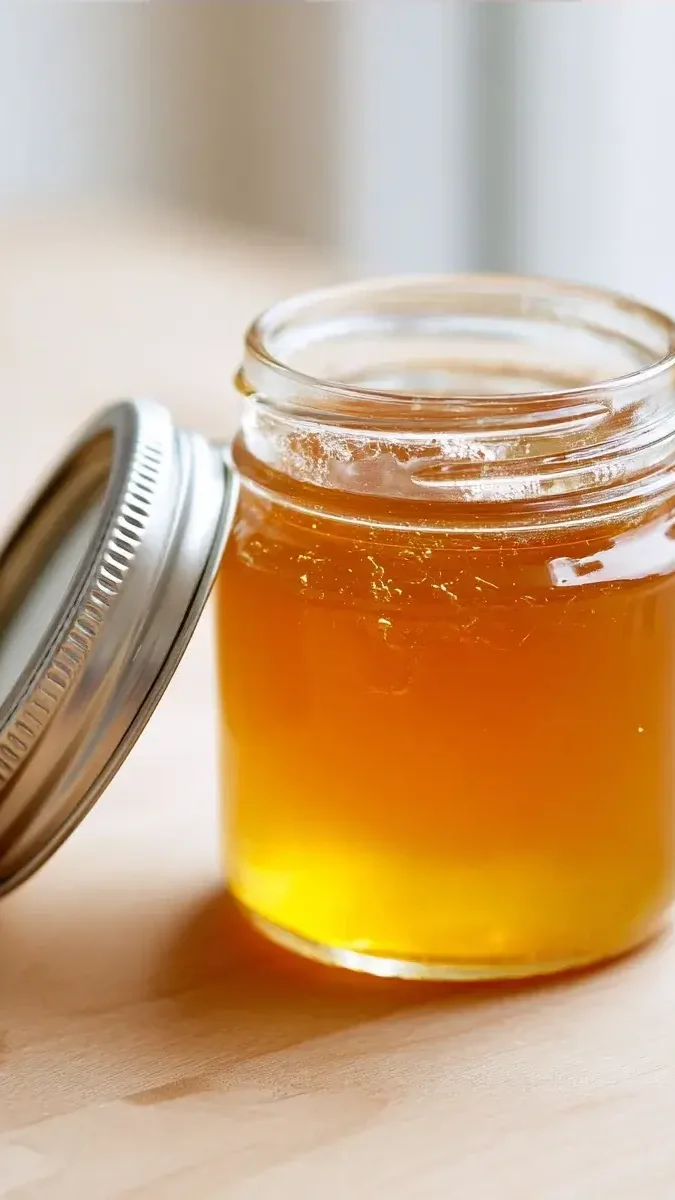
The 6g of protein is the star here, coming entirely from the gelatin. Protein is the most satiating macronutrient, signaling your brain that you’re full. The 12g of carbs are simple sugars from the orange juice, providing quick energy and flavor. Zero fat and fiber. This macro profile makes it an excellent pre- or post-workout snack or a mid-afternoon hunger tamer.
Nutrition Facts (per serving)
| Calories | Protein | Carbs | Fat | Fiber |
|---|---|---|---|---|
| 70 kcal | 6g | 12g | -g | -g |
Easy 3 Ingredient Gelatin Trick Recipe for Weight Loss
Try this easy 3 ingredient gelatin trick recipe for weight loss. A low-calorie, high-satiety snack. Learn the science and manage expectations for healthy habits.
Ingredients
Instructions
- Pour 1/2 cup of the orange juice into a small bowl. Sprinkle the gelatin powder evenly over the surface. Let it sit for 5 minutes to ‘bloom’—it will absorb the liquid and look wrinkled.
- Meanwhile, gently heat the remaining 1 1/2 cups of orange juice in a small saucepan over low heat until it’s just warm to the touch (do not boil).
- Pour the warm orange juice over the bloomed gelatin. Whisk continuously for 1-2 minutes until the gelatin is completely dissolved and the mixture is smooth.
- Stir in the fresh lemon juice. This brightens the flavor and adds a subtle tartness.
- Carefully pour the mixture into a loaf pan , small baking dish , or four individual ramekins.
- Refrigerate for at least 2 hours, or until fully set and firm to the touch.
- To serve, run a thin knife around the edges of the dish. For a clean slice, dip the knife in hot water between cuts. Garnish with a twist of orange zest if desired.