Mastering Fruit Jelly with Agar and Gelatin: Step-by-Step Instructions
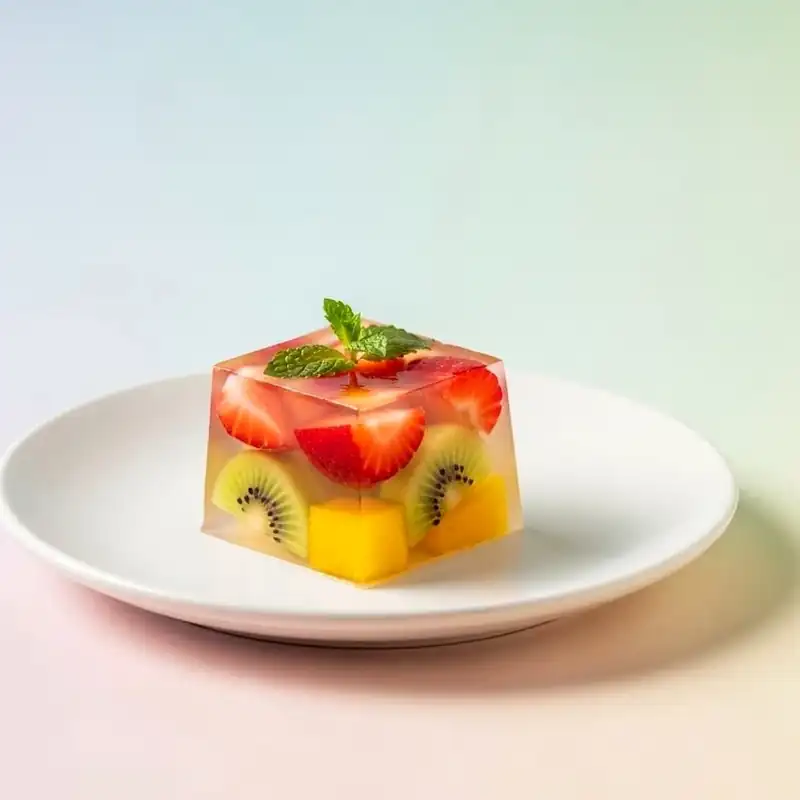
Essential Considerations for Success
Accuracy is vital when working with these materials. Because they react to heat in different ways, you must follow the specific processing requirements for each. Gelatin needs to be rehydrated, or bloomed, in cold liquid before it is gently warmed. It should never reach a rolling boil, as high heat will damage its ability to set properly.
Agar, conversely, demands heat. It must be brought to a full boil to activate its gelling properties, and it needs that brief, active simmer to ensure the powder is completely incorporated. If you skip this boiling stage, your dessert will likely remain a liquid. Paying attention to these subtle technical nuances will elevate your results from hit-or-miss to professional-grade every single time.
Pro Tips for Success
- If you want to experiment with different flavor profiles, try using infused herbal teas as your base liquid instead of standard fruit juice for a sophisticated, adult dessert.
- Always remember that some raw fruits contain enzymes that break down gelling agents; if you want to include pineapple or kiwi, be sure to cook the fruit thoroughly before adding it to your jelly mixture.
Easy Variations
- For a lighter version, replace the sugar with a small amount of liquid stevia or honey, adding it after you have removed the liquid from the heat to preserve its natural qualities.
- Add texture to your dessert by folding in small, fresh berries or chia seeds into the mixture just before you pour it into the molds for a more rustic, nutritious presentation.
Storage and Make-Ahead
To store your finished jellies, ensure they are kept in an airtight container within the refrigerator. They will maintain their best texture and flavor for up to three days, though I recommend consuming them within the first forty-eight hours to ensure they are at their peak quality.
Frequently Asked Questions
What is the primary difference between these two setting agents?
The main difference is their origin and composition. Gelatin is a protein derived from animal sources, while agar is a carbohydrate extracted from seaweed.
Can I swap them in a recipe using a simple one-to-one ratio?
No, they are not interchangeable at a one-to-one ratio. Agar is significantly more potent, typically requiring only half the volume of gelatin for the same amount of liquid.
Why is my gelatin-based dessert not setting properly?
The most likely culprit is either not allowing the gelatin to bloom sufficiently in cold water or boiling the liquid after the gelatin has been added, which destroys its structure.
Which agent should I choose if I need a dessert to hold its shape at room temperature?
Agar is the correct choice here. It has a much higher melting point than gelatin, allowing it to remain firm and stable even when sitting out on a warm day.
Does the preparation process change based on the agent I pick?
Yes, it changes significantly. Gelatin must be bloomed in cold water and never boiled, whereas agar must be boiled for several minutes to activate its gelling properties.
Final Thoughts
Mastering the art of fruit jelly is a rewarding journey that invites you to be both a scientist and an artist in your own kitchen. By understanding the distinct roles of agar and gelatin, you open up a world of potential for creating everything from elegant molded desserts to simple, refreshing snacks for your family. I invite you to try this recipe using both methods to truly grasp how their different textures can transform a simple glass of juice into something special. Happy cooking, and may your jellies always set perfectly.
Related recipes: Jello Pudding Pops Recipe, Simple Low-Carb Gelatin Dessert Delight, jelly lean gelatin recipe, Gelatin Trick Chamomile Sleep Recipe, Easy 3 Ingredient Gelatin Trick Recipe for Weight Loss.
Learn more: Mastering on Wikipedia · food storage & safety (FoodSafety.gov).
◆ ◆ ◆
← Back to Mastering Fruit Jelly with Agar and GelatinGet new recipes
One tasty homemade recipe in your inbox each week. No spam, unsubscribe anytime.


Comments