Classic Vanilla Bean Panna Cotta
↓ Jump to Recipe
Learn how to make panna cotta that is silky, creamy, and holds its shape perfectly. This classic panna cotta recipe uses high-quality ingredients.
Nothing says elegance quite like a perfectly set panna cotta dessert. This classic panna cotta recipe focuses on the balance of rich cream and real vanilla bean specks. You will learn the secrets to achieving that signature wobble without any stress. Mastering how to make panna cotta at home is surprisingly simple once you understand the blooming process. This smooth, chilled treat is the ideal finish to any meal, providing a refreshing and sophisticated experience. Follow these steps for a dessert that looks like it came straight from a fine dining restaurant.
Table of Contents
Table of Contents
Ingredients
- 2 1/4 tsp (7g) unflavored gelatin powder
- 3 tbsp (45ml) cold water for blooming
- 2 cups (480ml) heavy cream (36% fat)
- 1/2 cup (120ml) whole milk
- 1/3 cup (65g) granulated sugar
- 1 whole vanilla bean, split and scraped
- 1/4 tsp (1g) fine sea salt
- 1 cup (150g) fresh raspberries for coulis
- 2 tbsp (25g) granulated sugar for coulis
- 1 tsp (5ml) fresh lemon juice
To achieve the iconic silky mouthfeel of a high-quality dessert, precision is key. We rely on the synergy of fresh cream, Madagascar vanilla, and properly bloomed gelatin.
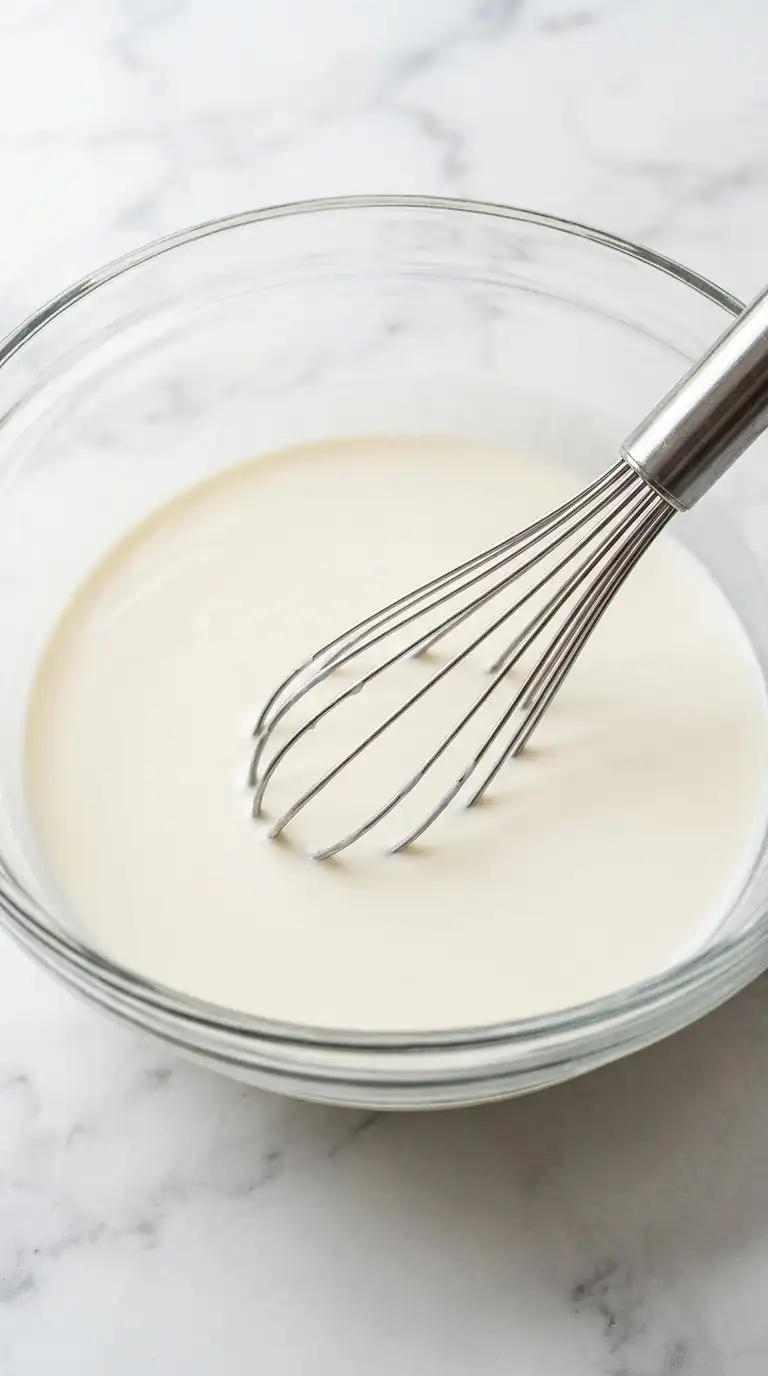
Essential Kitchen Tools
| Tool | Purpose |
|---|---|
| Fine-mesh sieve | Ensuring a silky, particle-free texture |
| Digital thermometer | Monitoring the 170F (77C) threshold |
| Silicone molds | Easy, clean unmolding every time |
Why This Recipe Works
The Science of the Wobble
The perfect panna cotta relies entirely on striking a precise equilibrium between butterfat and gelatin structure. A standard ratio that yields a velvety, self-supporting mold consists of 2.25 to 2.5 grams of unflavored powdered gelatin (roughly 1 teaspoon) per 1 cup (240ml) of liquid. Using a balance of two parts heavy cream containing 36% fat content to one part whole milk with 3.25% fat content provides enough viscosity to suspend flavorings while maintaining a silky mouthfeel that dissolves instantly upon contact with warm taste buds.
Temperature control during the heating phase is critical to preserving the fresh, clean profile of the dairy. Cream should be heated only to 170°F (77°C)—just until tiny bubbles form along the inner edge of the saucepan. Scalding the mixture above 180°F (82°C) breaks down fragile milk proteins, introducing a cooked flavor and weakening the overall gel strength. Once combined, the protein network needs time to form; chilling the mixture at 38°F–40°F (3°C–4°C) for a minimum of 4 to 6 hours allows the fibers to cross-link smoothly without trapping excess moisture.
- Fat ratio: A 2:1 heavy cream to whole milk balance prevents grease separation while providing a rich body.
- Hydration temperature: Heat dairy to exactly 170°F (77°C) to protect milk proteins and retain sweet, clean notes.
- Gel strength: Target a 0.8% to 1% gelatin saturation by weight for a distinct wobble that never turns rubbery.
Pro Tips for Better Results
Mastering the Bloom
Achieving a completely homogeneous texture requires proper blooming techniques. Always sprinkle dry gelatin granules evenly over cold liquid—such as cold water or cold milk—at a ratio of 1 tablespoon of cold liquid per teaspoon of powdered gelatin. Allow the granules to sit undisturbed for 5 to 10 minutes at room temperature. This rehydration process swells the protein granules so they dissolve seamlessly into warm dairy without forming stubborn, rubbery clumps.
To ensure a flawless finish, incorporate these crucial preparation steps before pouring the liquid into serving molds:
- Cool before pouring: Allow the heated mixture to cool to roughly 85°F (29°C) before filling ramekins. Pouring scalding liquid directly into cold molds can cause fat to separate into a top layer.
- Fine-mesh straining: Pass warm liquid through a fine wire strainer into a pouring pitcher to catch undissolved gelatin specks or stray vanilla bean fibers.
- Mold preparation: Lightly coat ramekins with a neutral-tasting vegetable oil using a paper towel. Wipe out excess oil so only an invisible film remains.
- Thermal unmolding: To turn out a chilled panna cotta, dip the base of the ramekin into a warm water bath at 110°F (43°C) for 5 to 8 seconds. Gently press the top edge of the set cream inward to break the vacuum seal before inverting onto a plate.
Avoid heating bloomed gelatin over direct high heat, as temperature spikes past 190°F (88°C) permanently degrade the protein strands, preventing a proper set.
Nutrition Facts (per serving)
| Nutrient | Amount |
|---|---|
| Calories | 285 kcal |
| Fat | 22g |
| Sugar | 18g |
| Protein | 4g |
Figures are estimates; you can check individual ingredients in USDA FoodData Central.
Instructions
- Sprinkle the gelatin evenly over the cold water in a small bowl to bloom for 5 to 10 minutes until it looks like thick applesauce, ensuring even hydration.
- In a medium saucepan, combine the heavy cream, milk, sugar, vanilla bean scrapings, and the empty pod, heating over medium-low heat to 170F (77C) to infuse the flavors.
- Remove the pod once the sugar has dissolved and the mixture is steaming, as this prevents the milk from curdling while keeping the vanilla flavor bright.
- Stir the bloomed gelatin into the warm cream mixture until fully dissolved, ensuring there are no hidden clumps that could affect the texture.
- Strain the mixture through a fine-mesh sieve into a pitcher to remove any stray vanilla bean debris or stubborn gelatin pieces for a flawless finish.
- Divide the cream evenly into six greased ramekins or silicone molds, tapping them gently on the counter to remove any trapped air bubbles that create gaps.
- Cover the molds with plastic wrap and chill in the coldest part of your refrigerator for at least 4 hours, or ideally overnight, for the most stable set.
- To unmold, dip each ramekin in warm water for 5 seconds and carefully invert onto a plate to reveal the beautiful, glossy dome.
- Blend the raspberries, sugar, and lemon juice into a smooth sauce and strain before drizzling over the panna cotta just before serving.
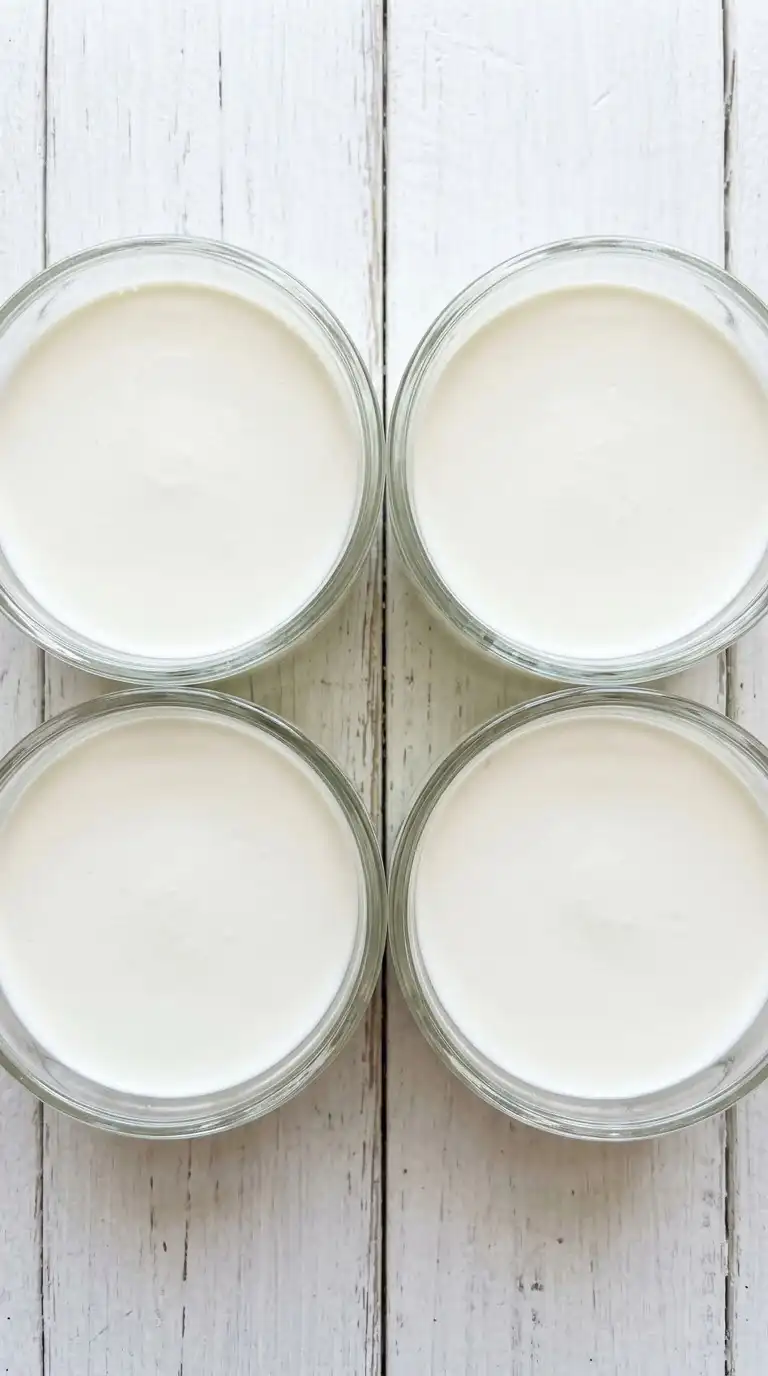
Recipe Variations
Flavor Profiles
While a classic vanilla bean provides a timeless foundation, the clean fat profile of cream makes panna cotta an exceptional vessel for botanical, warm-spice, and fruit infusions. Steeping whole spices or tea leaves directly into warm cream before adding hydrated gelatin allows complex aromatic oils to integrate smoothly into the fat without diluting the moisture balance of the recipe.
Explore these tested flavor adaptations to customize your dessert menu:
- Earl Grey & Citrus: Steep 2 loose-leaf Earl Grey tea bags in 170°F (77°C) cream for 15 minutes, then strain thoroughly. Top the set dessert with fresh orange segments or a light bergamot sugar syrup.
- Warm Cardamom & Honey: Crushing 4 whole green cardamom pods into the heating pot imparts a gentle, aromatic warmth. Substitute half of the white sugar with wildflower honey for a rounded floral sweetness.
- Passion Fruit Compote: Balance the rich dairy base with a vibrant passion fruit reduction. The bright acidity of passion fruit seeds cuts through the heavy cream fat, creating an invigorating contrast.
- Coconut Cream Swap: Replace half of the heavy cream with full-fat canned coconut milk for a tropical variation that maintains identical gelling properties.
Classic Vanilla Bean Panna Cotta
Learn how to make panna cotta that is silky, creamy, and holds its shape perfectly. This classic panna cotta recipe uses high-quality ingredients.
Ingredients
Instructions
- Sprinkle the gelatin evenly over the cold water in a small bowl to bloom for 5 to 10 minutes until it looks like thick applesauce, ensuring even hydration.
- In a medium saucepan, combine the heavy cream, milk, sugar, vanilla bean scrapings, and the empty pod, heating over medium-low heat to 170F (77C) to infuse the flavors.
- Remove the pod once the sugar has dissolved and the mixture is steaming, as this prevents the milk from curdling while keeping the vanilla flavor bright.
- Stir the bloomed gelatin into the warm cream mixture until fully dissolved, ensuring there are no hidden clumps that could affect the texture.
- Strain the mixture through a fine-mesh sieve into a pitcher to remove any stray vanilla bean debris or stubborn gelatin pieces for a flawless finish.
- Divide the cream evenly into six greased ramekins or silicone molds , tapping them gently on the counter to remove any trapped air bubbles that create gaps.
- Cover the molds with plastic wrap and chill in the coldest part of your refrigerator for at least 4 hours, or ideally overnight, for the most stable set.
- To unmold, dip each ramekin in warm water for 5 seconds and carefully invert onto a plate to reveal the beautiful, glossy dome.
- Blend the raspberries, sugar, and lemon juice into a smooth sauce and strain before drizzling over the panna cotta just before serving.