Classic Vanilla Bean Panna Cotta: Step-by-Step Instructions
When introducing fresh fruit toppers like pineapple, kiwi, or papaya, ensure the fruit is simmered into a cooked sauce first. Raw versions of these fruits contain active enzymes that break down gelatin proteins, leaving the cream permanently liquid.
Serving Ideas
Elegant Plating
The visual appeal of panna cotta is its greatest asset, requiring a thoughtful approach to plating to showcase its characteristic 'wobble.' For an upscale presentation, unmold the dessert directly onto chilled porcelain plates. Cold surfaces prevent premature melting and maintain the structural integrity of the delicate custard while you finish the final touches. To achieve a professional finish, place a fresh mint leaf or a single, clean edible pansy at the apex of the dome, creating a sharp contrast against the creamy white surface. Texture is equally vital for a sophisticated experience; introduce a light crunch to offset the velvety mouthfeel. Finely chopped toasted pistachios or thin, golden-brown almond shavings placed strategically at the base provide a necessary earthy profile and tactile variety. Avoid overwhelming the plate with heavy drizzles; instead, use a small spoon to drop precise beads of a concentrated fruit coulis, such as raspberry or passionfruit, around the perimeter. This negative space allows the elegant curves of the panna cotta to remain the focal point. For a cleaner look, use a squeeze bottle to apply fruit reductions, ensuring the colors remain vibrant and distinct. Always wait until the final moments before serving to add any garnishes, as the natural condensation on the cold custard can cause decorative elements to wilt or lose their aesthetic crispness, preserving the pristine, mirror-like finish of your dessert.
Keeping It Fresh
Storage Solutions
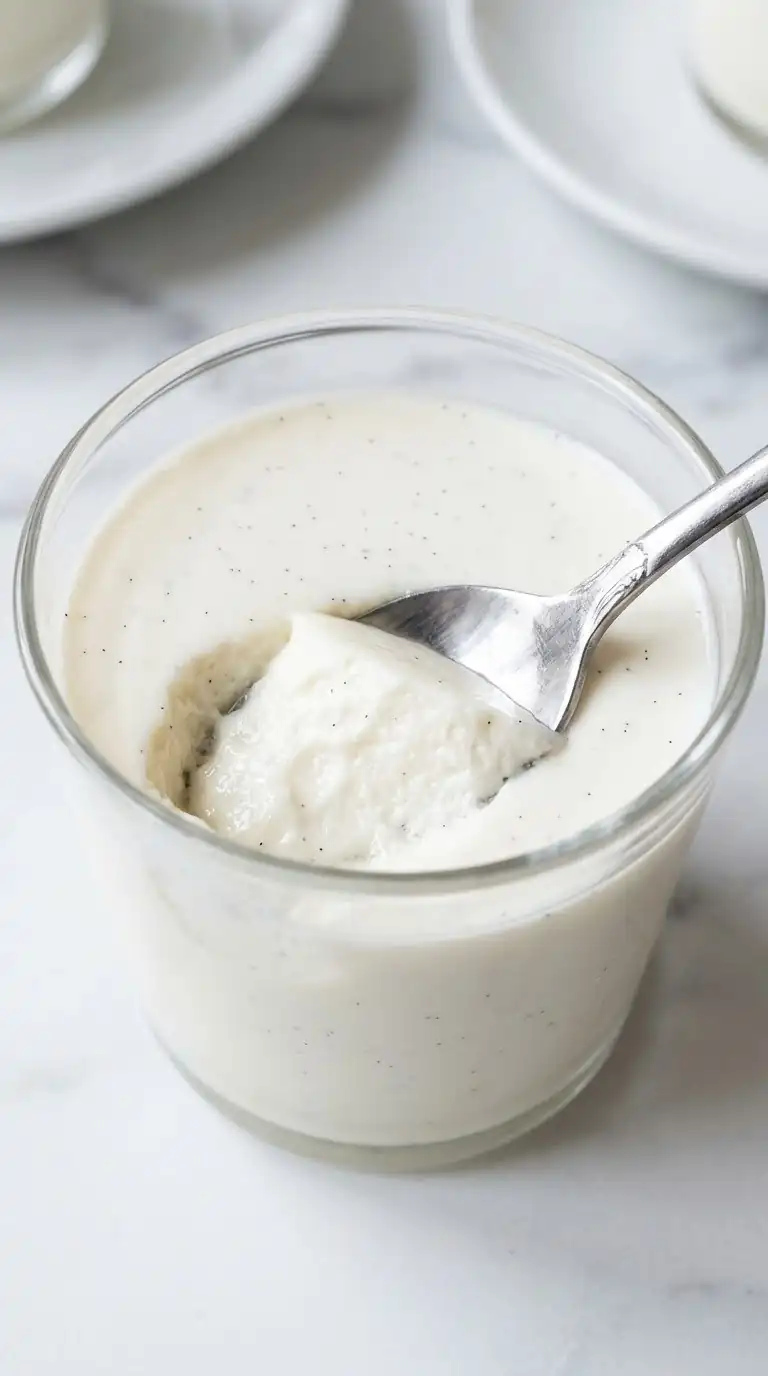
Maintaining the delicate structure of a perfectly set panna cotta requires strict adherence to temperature control and humidity regulation. Once the dessert has fully set in the refrigerator—ideally for at least six to eight hours—it should remain covered with a light film of plastic wrap to prevent the custard from absorbing any refrigerator odors or forming a dried-out, rubbery surface. Ideally, panna cotta should be consumed within 72 hours of preparation. While it is tempting to speed up the process, never attempt to freeze this dish. The cellular structure of the gelatin matrix is extremely sensitive to expansion; ice crystals that form during freezing will inevitably pierce the protein strands. Upon thawing, this leads to syneresis, where the liquid separates from the solids, resulting in a curdled, watery mess that completely destroys the desired silky texture. If you have prepared a fruit reduction or a berry compote, keep these components in a separate, airtight glass jar. Introducing moisture or acids from a topping too early can soften the base and accelerate degradation. Store the base and toppings at a constant temperature between 35°F and 40°F. If storing for a dinner party, keep the molds in the coldest part of the refrigerator, away from the door, to avoid temperature fluctuations that occur with frequent opening. By keeping the storage environment stable and airtight, you ensure that the texture remains smooth, consistent, and luxurious from the first bite to the last, providing a consistent experience for every guest.
For safe storage times, the USDA guidance on leftovers and food safety is a useful reference.
Reader Questions Answered
What is the secret to the best panna cotta texture?
The secret lies in the ratio of gelatin to liquid and not overheating the cream. Always bloom the panna cotta gelatin in cold water first to ensure it dissolves without leaving rubbery bits.
Is this panna cotta recipe dairy-free or laktosefri?
While this specific recipe uses heavy cream and milk, you can create a laktosefri panna cotta by substituting these with high-quality lactose-free cream and milk products. The ratios remain the same for the gelling process.
Can I serve panna cotta with blueberry instead of raspberry?
Absolutely, a panna cotta blueberry topping works beautifully as a substitute. You can prepare a panna cotta recipe blueberry compote by simmering fresh blueberries with a touch of sugar and lemon juice.
What is the easiest panna cotta recipe method for beginners?
The easiest way is to use a high-quality powdered gelatin and measure your ingredients by weight for accuracy. Avoid boiling the cream, as this can affect the setting power of the gelatin.
Is there a difference in panna cotta found in Rome or NYC?
Authentic versions in Rome are often served in simple glassware, while a panna cotta in a high-end NYC restaurant might be plated for visual drama. The base chemistry remains consistent regardless of the geography.
How do I know if my panna cotta has set correctly?
A perfectly set panna cotta should have a uniform, glossy jiggle when shaken gently. It should be firm enough to hold its shape once unmolded but feel creamy and melt-in-the-mouth upon eating.
More Gelatin Recipes to Try
Wrapping Up
Creating a beautiful panna cotta is a rewarding process that proves how simple ingredients—heavy cream, sugar, and gelatin—can yield professional results when treated with precision. The key to mastery lies in the technical balance of the gelatin bloom; using a ratio of approximately 7 to 9 grams of gelatin powder per 500 milliliters of cream ensures a soft, spoonable texture that holds its shape without becoming rubbery. Always bloom your gelatin in cold water for five minutes before folding it into a warm—not boiling—mixture, typically at a temperature of around 140°F, to ensure smooth incorporation without clumps. A common mistake is overheating the cream; once the mixture reaches a gentle simmer, remove it from the heat immediately to avoid curdling. After whisking in the gelatin, allow the liquid to cool to room temperature before pouring it into your molds; this prevents the gelatin from settling unevenly. Respecting the full setting time in the refrigerator is non-negotiable, as the protein network requires consistent cold to reorganize and stabilize. If you find the dessert is difficult to unmold, a quick five-second dip of the mold into warm water will release the vacuum seal, allowing it to slide onto the plate with ease. By following these rigorous cooling stages and respecting the delicate chemistry of the ingredients, you are well on your way to mastering this timeless Italian classic. With patience and attention to these fine details, you will consistently produce a dessert that is light, aromatic, and perfectly set, providing a silky, professional-grade treat in your own home.
Related recipes: Classic Layered Strawberry and Cream Jello Cake, Classic Strawberry Jello Cups for Easy Entertaining, Refreshing Buko Pandan Jelly Dessert Philippines Style, Mastering Gelatin Substitutes for Perfect Desserts, The Truth About Gelatin: A Practical Guide to Healthy Jello.
Learn more: Classic on Wikipedia · food storage & safety (FoodSafety.gov).
◆ ◆ ◆
← Back to Classic Vanilla Bean Panna CottaGet new recipes
One tasty homemade recipe in your inbox each week. No spam, unsubscribe anytime.


Comments