Classic Strawberry Jello Cups for Easy Entertaining: Step-by-Step Instructions
Serving Ideas
Presentation Matters
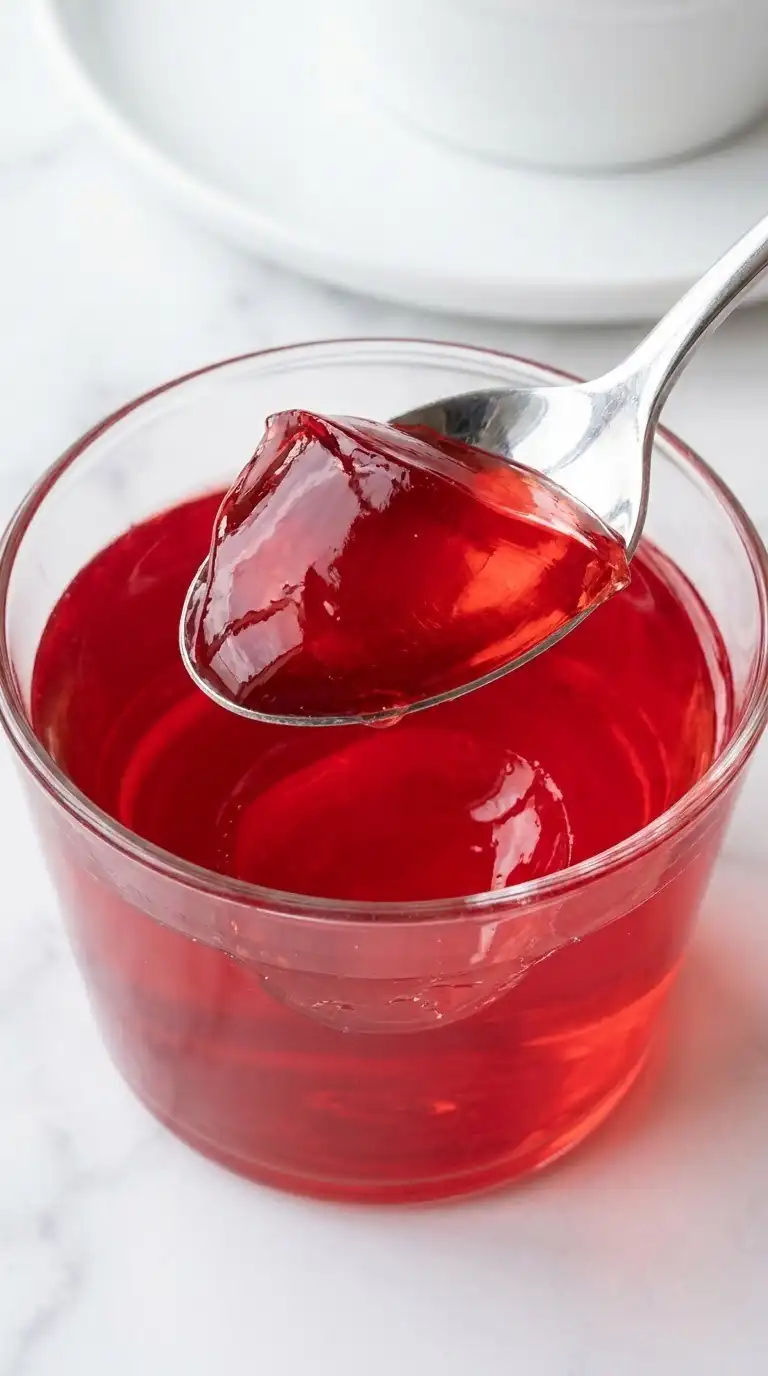
Serving jello cups effectively transforms a simple snack into a sophisticated dessert experience. To maintain the structural integrity of your gelatin, consider serving them on a chilled marble platter or a metallic tray; the cold surface prevents the bottom of the cups from sweating or losing firmness if left out at room temperature. A sharp, clean texture is key to a premium experience, so prioritize clarity and perfect edges.
A dollop of house-made whipped cream serves as the perfect textural contrast to the smooth, jiggly nature of the jelly. Avoid overloading the cups; a single, small dollop placed off-center creates an elegant visual asymmetry. Enhance the vibrant hues of strawberry, lime, or berry-based flavors with fresh garnishes that mirror the internal ingredients. A crisp, micro-mint leaf or a tiny sliver of citrus zest provides a refreshing, aromatic bite that cuts through the sweetness.
For layered creations, serve in clear, thin-walled glass vessels to showcase the distinct color bands. If you are serving at a party, arrange the cups in a shallow bed of crushed ice to keep them stable and cold for hours. Do not overlook the power of the vessel itself; using tempered glass or high-quality clear polycarbonate ensures the light reflects beautifully through the dessert, making the jewel-toned colors pop. Always ensure your garnishes are added just moments before service; if added too early, acidic fruits may cause the surface of the gelatin to weep or break down prematurely, leading to a cloudy appearance that distracts from the visual appeal.
Keeping It Fresh
Storage Guidance
Proper storage is essential to maintain the delicate moisture balance of gelatin desserts. These cups are at their peak quality within 3 to 4 days of preparation. Beyond this window, the gelatin begins to undergo syneresis, a process where the protein matrix contracts and releases trapped water, resulting in pools of liquid forming on the surface. To maximize shelf life, store your cups in the coldest part of your refrigerator, ideally toward the back, where the temperature remains stable.
Always cover your containers tightly. Gelatin acts like a sponge, readily absorbing the scents of other ingredients in your refrigerator, such as onions, garlic, or sharp cheeses. Using airtight silicone lids or high-quality plastic wrap pressed directly against the surface of the gelatin—if there is no fruit topping—can prevent the formation of a rubbery, dried-out skin. If you are layering ingredients, ensure each layer has fully set at a temperature of 40°F (4°C) for at least four hours before adding the next; a partially set layer will integrate with the new one, destroying the visual distinction.
Avoid placing your jello cups in the freezer. While it may seem like a shortcut to speed up the setting process, freezing disrupts the crystalline structure of the protein network. Upon thawing, the jello will lose its snap and transition into a mushy, weeping mess that is unappealing to the palate. If you find the surface has become slightly dull, a quick, light mist of water can restore the glossy finish before you present them to guests, provided they are consumed immediately after this step.
For safe storage times, the USDA guidance on leftovers and food safety is a useful reference.
Reader Questions Answered
Can I use gelatin cups with lids for storing these?
Yes, using individual containers with lids is a great way to keep your jello fresh and portable. Ensure the jello is fully set before securing the lids to prevent moisture buildup.
Are there options for kosher jello cups?
Yes, you can substitute standard beef-based gelatin with kosher-certified gelatin derived from fish or plant-based agar agar. Simply adjust the ratio according to the package instructions for your specific brand.
What is the secret to the perfect jello jiggler ratio?
For the perfect 'jiggler' consistency, you want a slightly higher concentration of gelatin than a standard dessert. Aim for about 2.5 tablespoons of gelatin for every 3 cups of total liquid.
Can I use gelatin as an egg substitute?
Gelatin can be used as a binding agent in some baked goods, but it is not a direct substitute for eggs in airy cakes. It is best used for puddings and thickening applications.
How do I incorporate fruit into these?
If you want to add fruit inside, wait until the mixture has reached a syrupy, cooled consistency before adding the pieces. This prevents the fruit from floating to the top or sinking to the bottom.
Do these work with jello fluff cup recipes?
You can definitely fold in whipped cream or Greek yogurt once the jello has started to set but isn't solid yet. This creates a creamy, mousse-like texture popular in fluff-style desserts.
More Gelatin Recipes to Try
Wrapping Up
Enjoy Your Creation
Mastering the art of the jello cup requires attention to the fundamental science of gelatin blooming and protein hydration. Achieving the perfect "snap" versus a "wobble" is entirely dependent on your hydration ratio. For a standard firm set that holds its shape when unmolded, use a ratio of 1 tablespoon of high-quality unflavored gelatin powder to 2 cups of liquid. Always bloom the granules in a small amount of cold liquid for at least five minutes before introducing heat; this prevents clumping and ensures a uniform, crystal-clear distribution of the protein network.
Temperature control is the most critical mistake to avoid during preparation. Never allow your gelatin mixture to reach a rolling boil, as excessive heat will degrade the protein chains, resulting in a weak, liquid mess that fails to set. Aim to dissolve the granules in a base liquid heated to approximately 160°F (71°C). Once dissolved, incorporate your flavorings or fruit juices, but ensure they are not acidic enough to break the structure—if using high-acid fruits like pineapple or kiwi, you must lightly simmer the fruit first to neutralize the enzymes that would otherwise prevent the gelatin from setting entirely.
Making your own gelatin dessert cups is a deeply rewarding process that yields a superior texture, clearer color, and more natural flavor compared to store-bought versions. By controlling the ingredient quality, you ensure a clean aftertaste without the artificial chemical notes often found in mass-produced gelatin. We hope this guide helps you create a refreshing, beautiful dessert that your family and guests will thoroughly enjoy. Happy cooking!
Related recipes: Classic Layered Strawberry and Cream Jello Cake, Classic Vanilla Bean Panna Cotta, Refreshing Buko Pandan Jelly Dessert Philippines Style, Mastering Gelatin Substitutes for Perfect Desserts, The Truth About Gelatin: A Practical Guide to Healthy Jello.
Learn more: Entertaining on Wikipedia · food storage & safety (FoodSafety.gov).
◆ ◆ ◆
← Back to Classic Strawberry Jello Cups for Easy EntertainingGet new recipes
One tasty homemade recipe in your inbox each week. No spam, unsubscribe anytime.


Comments