The Truth About Gelatin: A Practical Guide to Healthy Jello: Step-by-Step Instructions
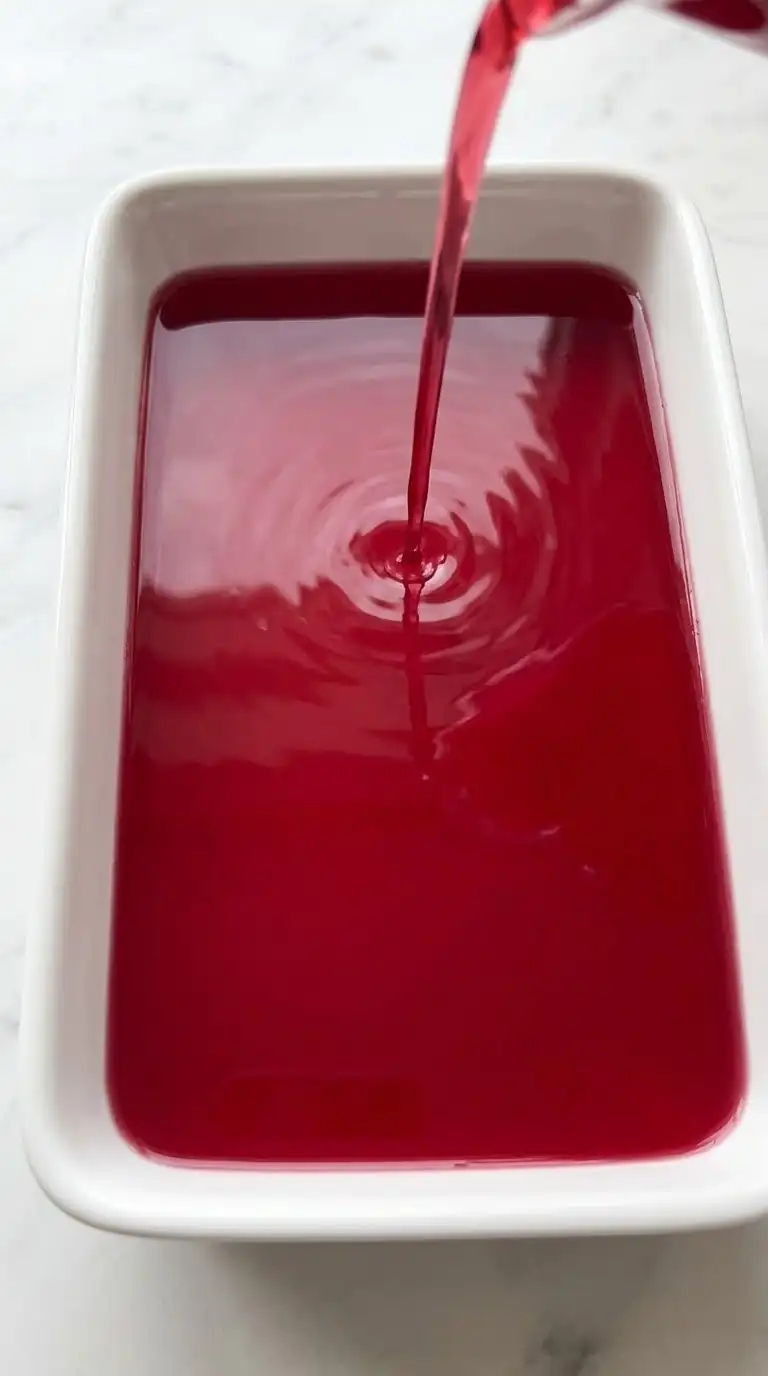
Temperature and Setting Times
Mastering Temperatures and Texture
Managing temperatures is the difference between a wobbly, light dessert and a tough, rubbery block. Never boil your gelatin directly; high heat can compromise the structural protein chains, leading to a weak set. Aim for a gentle heat, around 150°F to 160°F, to dissolve the gelatin effectively. The process begins with 'blooming,' where you sprinkle gelatin over cold water and let it stand for five to ten minutes until it absorbs the liquid and looks like applesauce. This step is non-negotiable for smooth, lump-free results. Once bloomed, stir it into your warm (but not boiling) liquid base. Patience is your greatest tool when setting—always allow the dessert to chill fully in the refrigerator, ideally for at least four to six hours, though overnight is preferred for complex molds.
- Maintain a ratio of approximately 1 tablespoon of high-quality, unflavored gelatin per 2 cups of liquid for a standard, sliceable set.
- Avoid the freezer; speed-chilling often leads to ice crystals and uneven, murky textures that ruin that signature ruby-red clarity.
- Use a thermometer to ensure your liquid base never exceeds 170°F, as excessive heat breaks down the bonds that provide the characteristic wobble.
- If you need to unmold your dish, briefly dip the bottom of the mold in a shallow bath of warm water for exactly ten seconds to loosen the edges without melting the interior.
Precision in your heat management ensures the texture remains elegant, consistent, and perfectly clear, preventing the common pitfalls of cloudiness or premature weeping.
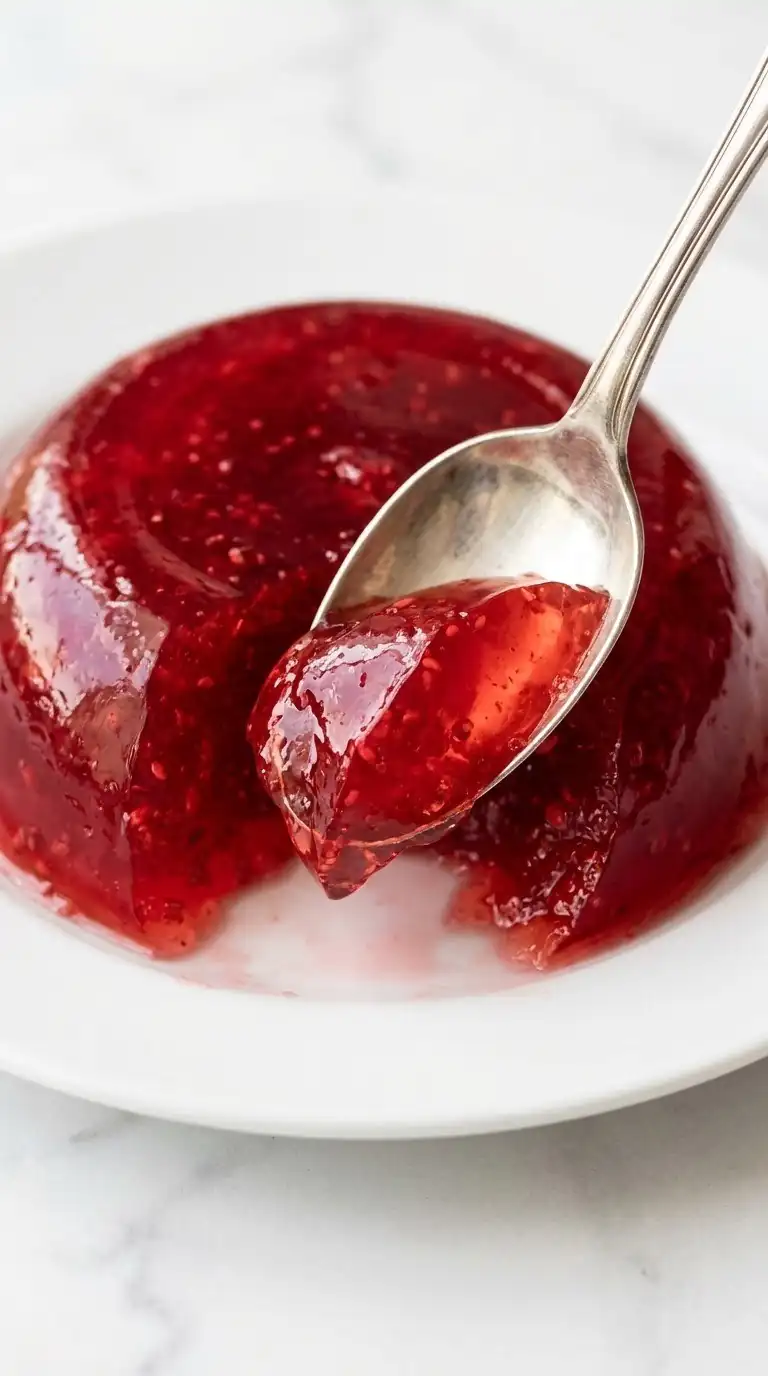
Optimal Storage for Freshness
Proper Storage for Fresh Gelatin Creations
Because these desserts lack the heavy preservatives found in commercial products, they should be treated like fresh food. Store your gelatin creations in an airtight container in the coldest part of your refrigerator, away from strong-smelling foods like onions or garlic, as gelatin easily absorbs odors. They are best enjoyed within 3 to 5 days, as the structural integrity of the protein matrix gradually weakens over time, leading to 'weeping' or syneresis, where the liquid begins to leak out. If you find your gummies are sweating or becoming sticky after a few days, it is a sign that they have absorbed ambient moisture or were stored in a humid environment. Keeping them covered ensures the surface remains glossy and the texture stays firm.
- For molded salads, store the creation in the original mold covered with plastic wrap to maintain the shape.
- If you are storing individual gummies, toss them lightly in a small amount of cornstarch or arrowroot powder to prevent them from sticking together.
- Always inspect the surface for signs of spoilage; if the texture becomes slimy or the color changes, discard immediately.
- For the longest shelf life, ensure your refrigerator temperature is consistently set to 40°F or below.
Treating your gelatin creations with the same care as high-end pastry ensures they remain firm, vibrant, and delicious. By managing moisture levels and protecting the gelatin from temperature fluctuations, you preserve the precise texture you worked so hard to achieve during the cooling process.
More Gelatin Recipes to Try
Reader Questions Answered
Is beef or bovine gelatin considered a healthy ingredient?
Bovine gelatin, sourced from the hides or bones of grass-fed cattle, is a natural protein-rich ingredient frequently used to provide structural integrity to desserts and savory aspics.
Can gelatin gummies be part of a balanced diet?
Homemade gummies allow you to choose high-quality fruit juices and natural sweeteners, making them a more transparent alternative to mass-produced candy.
Are grass-fed gelatin products superior for home cooking?
Choosing grass-fed gelatin often ensures a product free from growth hormones and antibiotics, which many home cooks prefer for the integrity of their final dishes.
What is the best way to substitute gelatin?
While agar-agar is a common plant-based substitute, it creates a firmer, more brittle set compared to the signature bounce and elasticity of bovine-derived gelatin.
Is a traditional jello salad considered healthy?
A traditional jello salad's nutritional profile depends entirely on the ingredients used; by swapping canned fruits in heavy syrup for fresh seasonal produce and reduced-sugar bases, you can customize the dish to your liking.
How can I ensure my homemade gummies are consistently successful?
Success lies in the bloom—the process of hydrating the gelatin in cold liquid before heating it gently—to ensure a lump-free, perfectly firm texture.
Embracing the Craft
The Art of the Perfect Wobble
At the end of the day, working with gelatin is about understanding the balance between liquids and solids to achieve that perfect, light wobble. Whether you are whipping up a simple batch of fruit gummies for a quick treat or composing an elegant molded salad for a dinner party, the focus remains on the quality of your ingredients and the care you put into the blooming process. Keep experimenting with natural flavors, fresh fruit purees, and even herbal infusions to make each dish uniquely your own. With practice, you will find that the process becomes second nature, allowing you to create beautiful, translucent desserts that are as pleasing to the eye as they are to the palate.
- Document your successes; note the exact ratios of liquid to gelatin when you achieve the perfect texture for specific ingredients.
- Focus on clarity; the secret to high-end results is patience during the straining and cooling stages.
- Cleanliness is critical; ensure all molds are perfectly dry and free of residue before pouring to avoid premature setting or sticking.
- Consider the acidity of your ingredients; higher acidity levels may require a slightly higher gelatin ratio to compensate for the breakdown of proteins.
As you refine your technique, you will discover that gelatin is a versatile medium that bridges the gap between science and art. By respecting the chemical requirements of the ingredients, you open the door to endless creative possibilities, transforming simple, whole-food ingredients into sophisticated culinary experiences that delight guests and family alike.
Related recipes: Classic Layered Strawberry and Cream Jello Cake, Classic Vanilla Bean Panna Cotta, Classic Strawberry Jello Cups for Easy Entertaining, Refreshing Buko Pandan Jelly Dessert Philippines Style, Mastering Gelatin Substitutes for Perfect Desserts.
Learn more: Practical on Wikipedia · food storage & safety (FoodSafety.gov).
◆ ◆ ◆
← Back to The Truth About Gelatin: A Practical Guide to Healthy JelloGet new recipes
One tasty homemade recipe in your inbox each week. No spam, unsubscribe anytime.


Comments