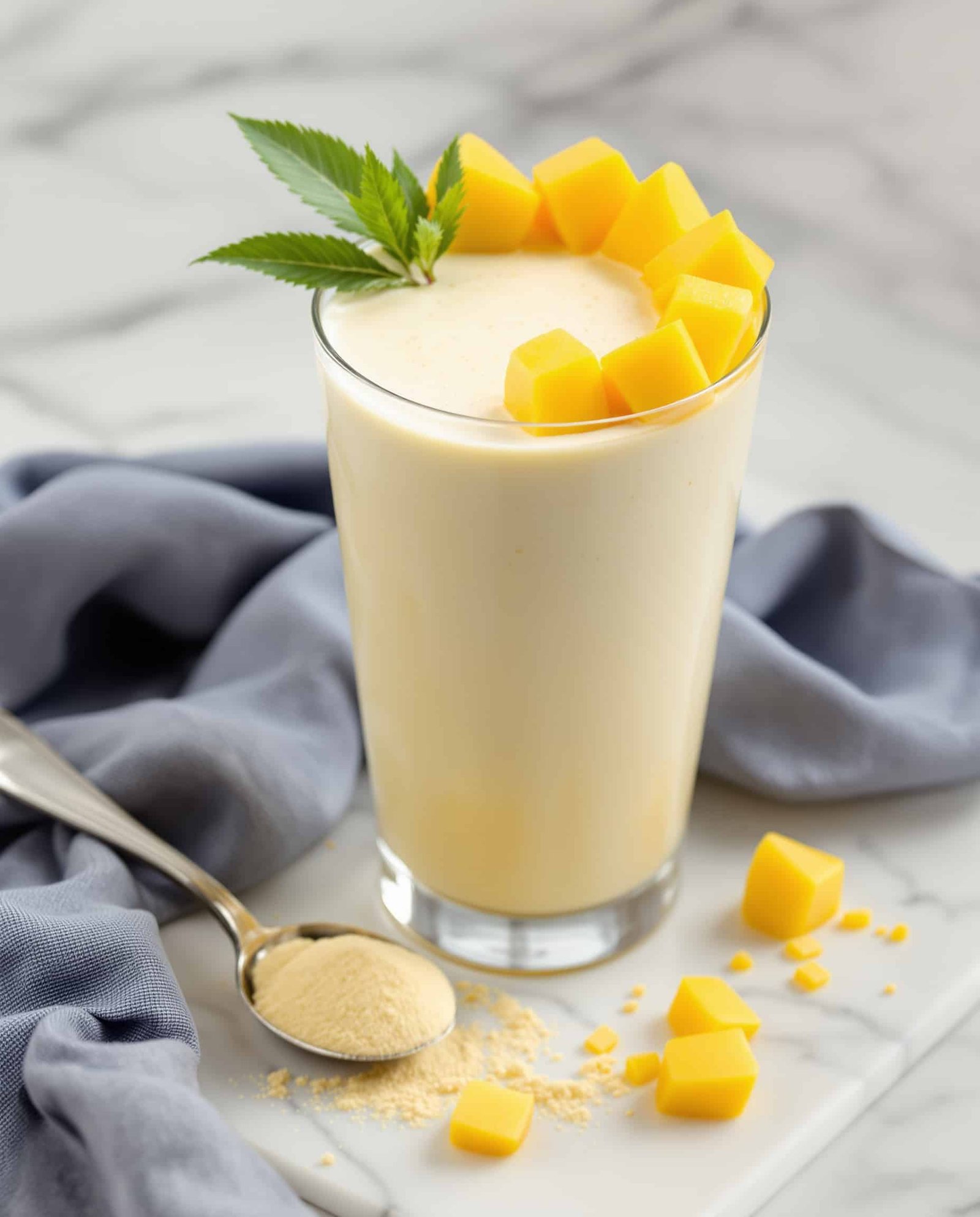
Let’s be honest: navigating the world of weight loss can feel like a minefield of conflicting advice and unrealistic promises. You’re constantly bombarded with ‘quick fixes’ that often leave you feeling frustrated and hungry. The truth is, sustainable weight loss comes down to understanding your body and making informed choices. This mango collagen smoothie isn’t a magic bullet, but it’s a strategic, delicious way to increase your protein and fiber intake, which are key players in feeling full and managing your calorie intake. We’re going to look at how this simple recipe can fit into your larger weight loss goals, backed by actual science, not just hype.
| Prep Time | 5 minutes | Cook Time | 0 minutes |
| Servings | 1 | Calories | 220 kcal |
Ingredients
- 1 cup (240ml) unsweetened almond milk
- 1/2 cup (80g) frozen mango chunks
- 1 scoop (10-12g) unflavored collagen powder
- 1 tbsp (15g) chia seeds
- 1/2 tsp vanilla extract
- 1 tsp blanc natural food coloring
- Ice cubes (optional, for thicker consistency)
Recommended Tools You’ll Need
| Tool | Why You Need It |
|---|---|
| High-Speed Blender | Ensures a perfectly smooth, lump-free consistency, especially important for frozen fruit and chia seeds. |
| Measuring Cups and Spoons | Crucial for accurate ingredient portions, which is key for consistent nutrition and calorie tracking. |
| Airtight Container (for powder) | Keeps your collagen powder fresh and protected from moisture, preserving its efficacy. |
| Smoothie Glass | Makes the experience more enjoyable, and having a designated vessel can encourage regular consumption. |
Calorie Reality
At 220 calories, this mango collagen smoothie represents about 11-15% of a typical daily calorie budget for weight loss (which often ranges from 1500-2000 kcal). It’s a significant, satisfying snack or a light meal, not just a ‘drink.’ Understanding its caloric contribution helps you fit it strategically into your day without inadvertently overeating.
About Your Daily Budget: TDEE, or Total Daily Energy Expenditure, is the total number of calories your body burns in a day. It includes basal metabolic rate, activity, and digestion. To lose weight, you need to consistently consume fewer calories than your TDEE.
Diet Compatibility
Compatible with: Gluten-Free, Dairy-Free, Paleo (check collagen source), Whole30 (check collagen source and add-ins)
Not compatible with: Keto, Low-Carb (due to mango)
Warning: Mixing Diets: Mixing and matching diet approaches without understanding their core principles can lead to frustration and, in some cases, hinder progress. For example, combining a high-fat keto approach with a high-carb, low-fat diet can lead to excess calorie intake and potential lipogenesis (fat storage) if your body isn’t efficiently using either fuel source. Stick to one well-understood, science-backed approach at a time, or consult a registered dietitian to help tailor a plan that works for you. I’m not a doctor, but I do read the science.
Expert Tips
Weight loss isn’t just about what you eat, but how you eat it. Enjoy this smoothie slowly, savoring each sip. Mindful eating can significantly impact how satisfied you feel. Pair it with a handful of nuts or a hard-boiled egg if you need more staying power. Don’t view this as a ‘diet food,’ but rather a smart, delicious component of an overall healthy lifestyle. Consistency, not perfection, is the real secret to long-term success.
Macros Breakdown
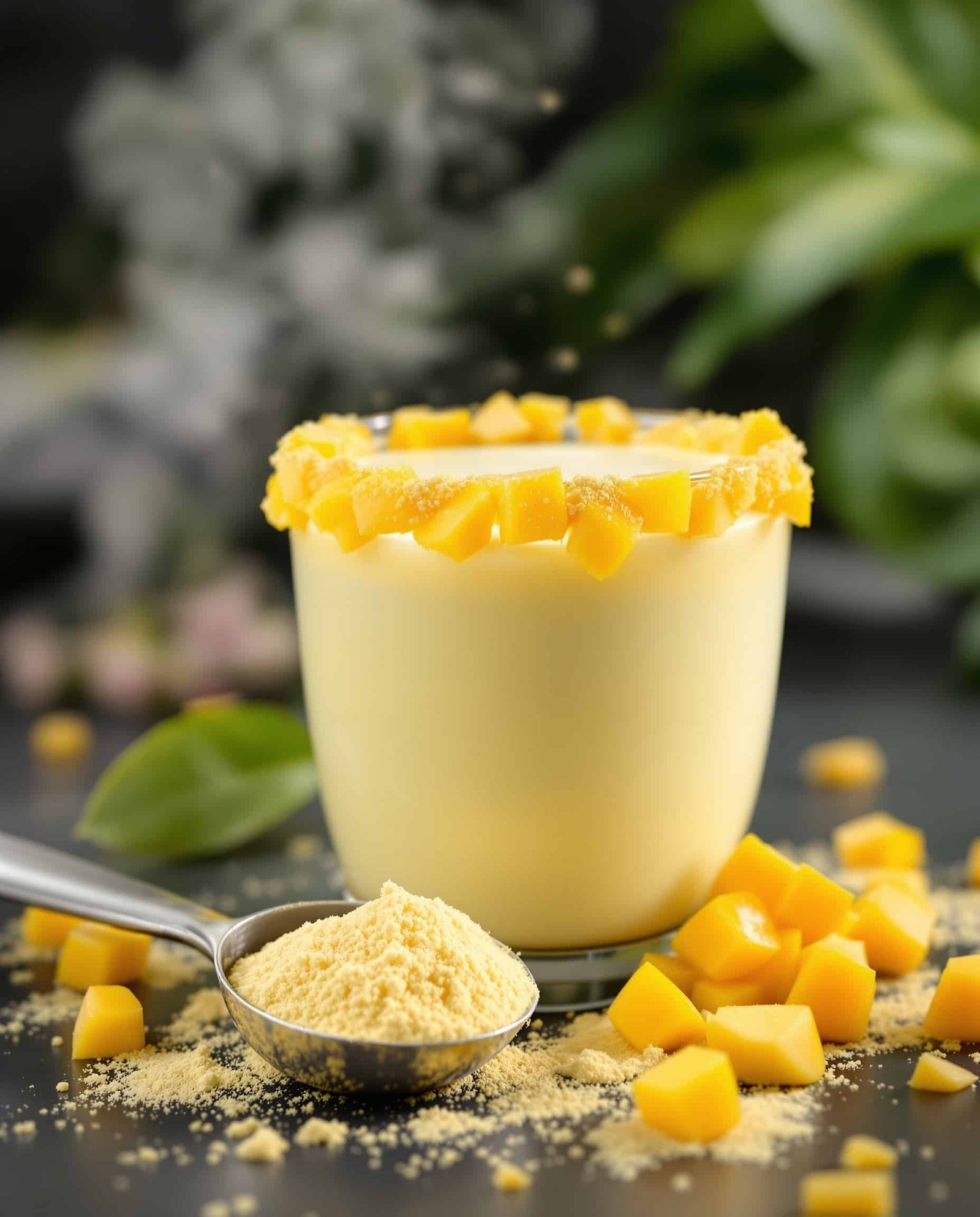
This smoothie delivers a solid 18g of protein and 7g of fiber, which are critical for satiety. Protein helps maintain muscle mass during weight loss, and fiber slows digestion, keeping you feeling full longer. The carbs come primarily from fruit and a small amount from chia seeds, offering sustained energy without a huge sugar spike, while healthy fats from chia seeds contribute to absorption and satisfaction.
Nutrition Information (per serving)
| Calories | Protein | Carbs | Fat | Fiber |
|---|---|---|---|---|
| 220 kcal | 18g | 28g | 6g | 7g |