Refreshing Buko Pandan Jelly Dessert Philippines Style: Step-by-Step Instructions
Serving Ideas
Elevating Your Presentation
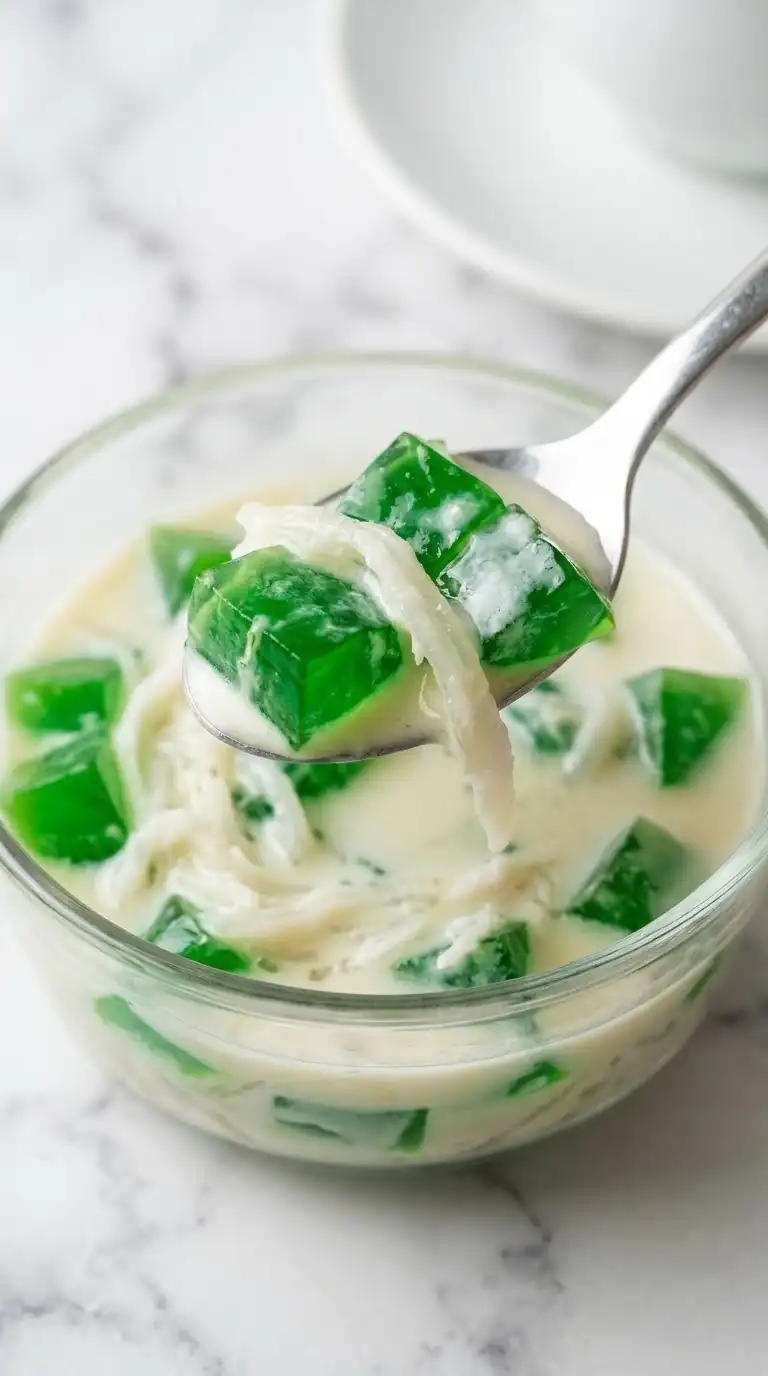
When serving traditional Filipino jelly desserts, the visual experience is just as vital as the flavor profile. For an elegant aesthetic, utilize individual clear glass coupes or stemmed dessert bowls, which beautifully showcase the vibrant layers or suspended fruit pieces often found in these treats. Placing the dessert in transparent vessels allows the light to refract through the translucent medium, highlighting the clarity of the agar-based structure. To introduce a sophisticated olfactory element, garnish each serving with a small, freshly tied pandan leaf knot. This simple addition not only signals the authentic, grassy-sweet aromatic profile inherent to Filipino sweets but also creates a professional finish.
Texture and Temperature Balance
For the optimal sensory experience, ensure your jelly is served chilled, ideally between 4°C and 7°C. A common mistake is serving the dessert at room temperature, which can make the texture feel limp. To achieve the perfect 'snap' or bite, use a standard ratio of 10 grams of high-quality agar-agar powder to 1 liter of liquid. If you are incorporating coconut milk, aim to simmer the base mixture at exactly 85°C before pouring to ensure the proteins stabilize properly without curdling. Avoid over-mixing once the gelling agent is added, as this introduces air bubbles that compromise the smooth, glass-like finish. By maintaining a steady setting time of four hours in the refrigerator, you ensure a consistent density throughout, preventing a watery bottom layer and ensuring that your fruit or sweet corn inclusions remain perfectly suspended in the center of the mold rather than sinking to the base.
Keeping It Fresh
Storage and Preservation Techniques
Preserving the integrity of Filipino gulaman requires strict adherence to temperature control and humidity regulation. Store any leftover portions in a high-quality, airtight glass container; plastic containers can sometimes absorb the aromatic essence of pandan or coconut, which may taint future batches. When properly sealed, the dessert will maintain its structural composition for up to three days. It is critical to store the container in the coldest part of your refrigerator, typically the back shelf away from the door, to prevent the frequent temperature fluctuations caused by opening and closing the fridge. These fluctuations can lead to 'syneresis,' where the jelly begins to weep or release liquid, significantly compromising its texture.
Managing Texture Changes
Be aware that the texture of gulaman, especially versions infused with dairy or coconut milk, will inevitably soften slightly over the course of 72 hours. This occurs because the starches and sugars in the dairy components interact with the agar-agar, gradually pulling moisture from the gel matrix. To mitigate this softening, avoid incorporating fresh, high-moisture fruits like watermelon or sliced citrus directly into the mixture if you plan on storing the dessert for more than one day; these fruits will bleed juices and create a mushy consistency. Instead, serve fresh fruit as a topping immediately before consumption. If the jelly feels too soft upon removal from the fridge, a quick 10-minute blast in the coldest zone can sometimes firm up the surface, but never attempt to re-boil or re-set the dessert, as this will destroy the crystalline structure of the agar-agar, leading to a grainy, unpleasant mouthfeel that cannot be rectified.
For safe storage times, the USDA guidance on leftovers and food safety is a useful reference.
Reader Questions Answered
Is there a difference between gelatine and gulaman?
Yes, they are different! Gelatine is animal-based and sets at lower temperatures, while gulaman is a Filipino term for agar-agar, derived from seaweed, which sets firmer and at room temperature.
Can I use gelatin sheets instead of powder?
While you can use gelatin sheets in many recipes, for a traditional jelly dessert in Philippines, gulaman powder is preferred because it provides the specific firm, snappy texture required for this dessert.
How do I unmold a jelly cake properly?
To unmold a jelly cake, run a thin, warm knife around the edges of the mold. Gently tilt the container and tap the bottom to break the vacuum seal before inverting it onto a plate.
What is the difference between agar agar and china grass?
Actually, they are the same thing! Agar agar is often sold in the form of thin, translucent strips called china grass, which perform exactly like the powder version once soaked and boiled.
Are there specific agar agar recipes for a Filipino style dessert?
Yes, many agar agar ingredients Filipino style rely on coconut milk or pandan infusion. The key is to dissolve the powder thoroughly in liquid before adding your creamy components to ensure a smooth set.
What is a traditional gelatin salad recipe in Philippines?
A gelatin salad recipe in Philippines often involves mixing set jelly cubes with canned fruit cocktail, cream, and condensed milk. It is a staple at birthdays and holiday feasts.
More Gelatin Recipes to Try
- Gelatin vs agar, pectin & collagen: differences
- How long jello takes to set (and how to set it faster)
- Agar agar
- Jelly dessert japanese
- Unflavored gelatin
Wrapping Up
Reflecting on Culinary Heritage
Mastering the art of Filipino jelly desserts is more than just a kitchen project; it is a rewarding journey that honors a rich culinary heritage. These desserts, often referred to as 'gulaman,' represent a unique intersection of tropical ingredients and precise chemical techniques. By understanding the specific interaction between heat, agitation, and setting agents, you move beyond simple recipes to gain an intuitive sense of how to manipulate texture and sweetness. The process of boiling the agar, straining for clarity, and waiting for the delicate 'set' is a meditative practice that reflects the patience often found in traditional island cooking. When you successfully craft a perfectly layered, translucent, and aromatic dessert, you are preserving the very methods that families across the Philippines have cherished and refined for generations.
Embracing Tropical Flavors
With a foundation in these authentic techniques, you are now fully equipped to bring a genuine touch of the tropics to your dining table. Whether you are experimenting with young coconut strips, sweetened palm fruit, or the deep, earthy notes of pandan, the versatility of these gelatin-based sweets is unmatched. The key to success lies in your attention to detail—specifically the ratio of seaweed-derived thickeners to liquid and the patience required for proper setting. As you continue to refine your craft, remember that the most authentic results come from respecting the simple, high-quality ingredients that define this cuisine. By sharing these desserts, you provide your guests with a refreshing, light, and sophisticated conclusion to any meal, successfully bridging the gap between historical tradition and contemporary culinary appreciation in your own kitchen.
Related recipes: Classic Layered Strawberry and Cream Jello Cake, Classic Vanilla Bean Panna Cotta, Classic Strawberry Jello Cups for Easy Entertaining, Mastering Gelatin Substitutes for Perfect Desserts, The Truth About Gelatin: A Practical Guide to Healthy Jello.
Learn more: Philippines on Wikipedia · food storage & safety (FoodSafety.gov).
◆ ◆ ◆
← Back to Refreshing Buko Pandan Jelly Dessert Philippines StyleGet new recipes
One tasty homemade recipe in your inbox each week. No spam, unsubscribe anytime.


Comments