Why Your Jello Won't Set: Troubleshooting and Fixes: Step-by-Step Instructions
The Solution: Denaturation Through Heat
The key to using these fruits successfully lies in understanding how to disable their enzymatic activity. Proteolytic enzymes are proteins themselves, and they are highly sensitive to thermal energy. When pineapple is commercially canned, it undergoes a pasteurization process that reaches temperatures sufficient to denature the bromelain. Denaturation is the process where the complex structure of the enzyme is unfolded and permanently deactivated; it can no longer function or "cut" the gelatin chains. Consequently, canned pineapple is perfectly safe to use in any gelatin-based dessert. If you prefer to use fresh fruit, you can achieve the same result by poaching the fruit in simmering water for a few minutes before incorporating it into your recipe. This brief heat treatment neutralizes the enzymes, ensuring your dessert sets with a clean, firm, and stable texture every single time.
Correcting Your Ingredient Ratios
If you find that your gelatin is consistently too soft, you may be adding too much liquid or failing to account for the water content inside your fruits. Always measure your liquids with precision.
| Ingredient Type | Ratio of Liquid | Adjustment Needed |
|---|---|---|
| Water/Juice | 1:1 | Standard base |
| Pureed Fruit | 0.5:1 | Reduces structure |
| Heavy Cream | 0.8:1 | Increases stability |
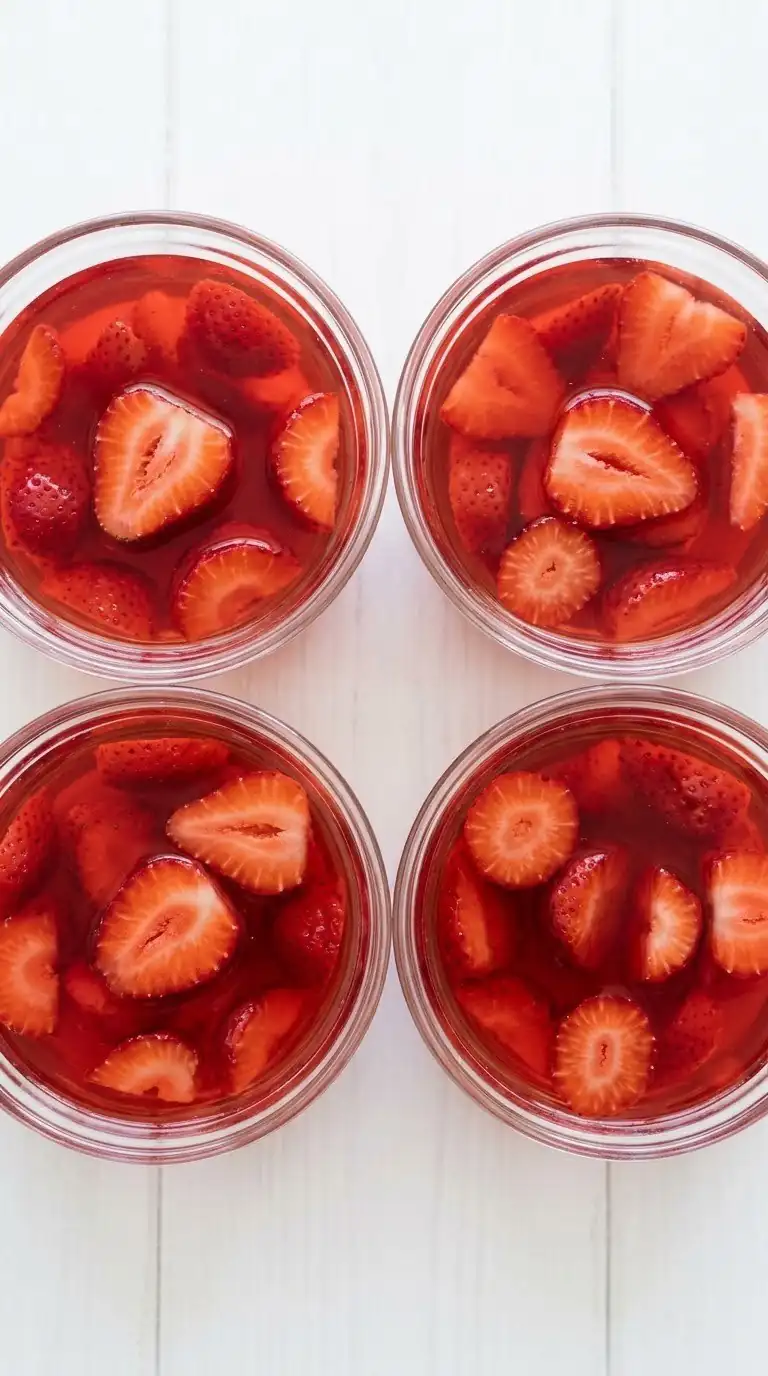
How to Save a Soft Batch
Do not throw away your un-set gelatin! You can easily salvage it by adding extra gelling power. Follow these steps:
- Pour the soft gelatin into a saucepan and heat it gently until it turns back into a liquid.
- Prepare a small amount of extra gelatin powder according to the package instructions using a minimal amount of water.
- Whisk the new gelatin mixture into your original, warm liquid.
- Re-refrigerate in a new mold or container until firm.
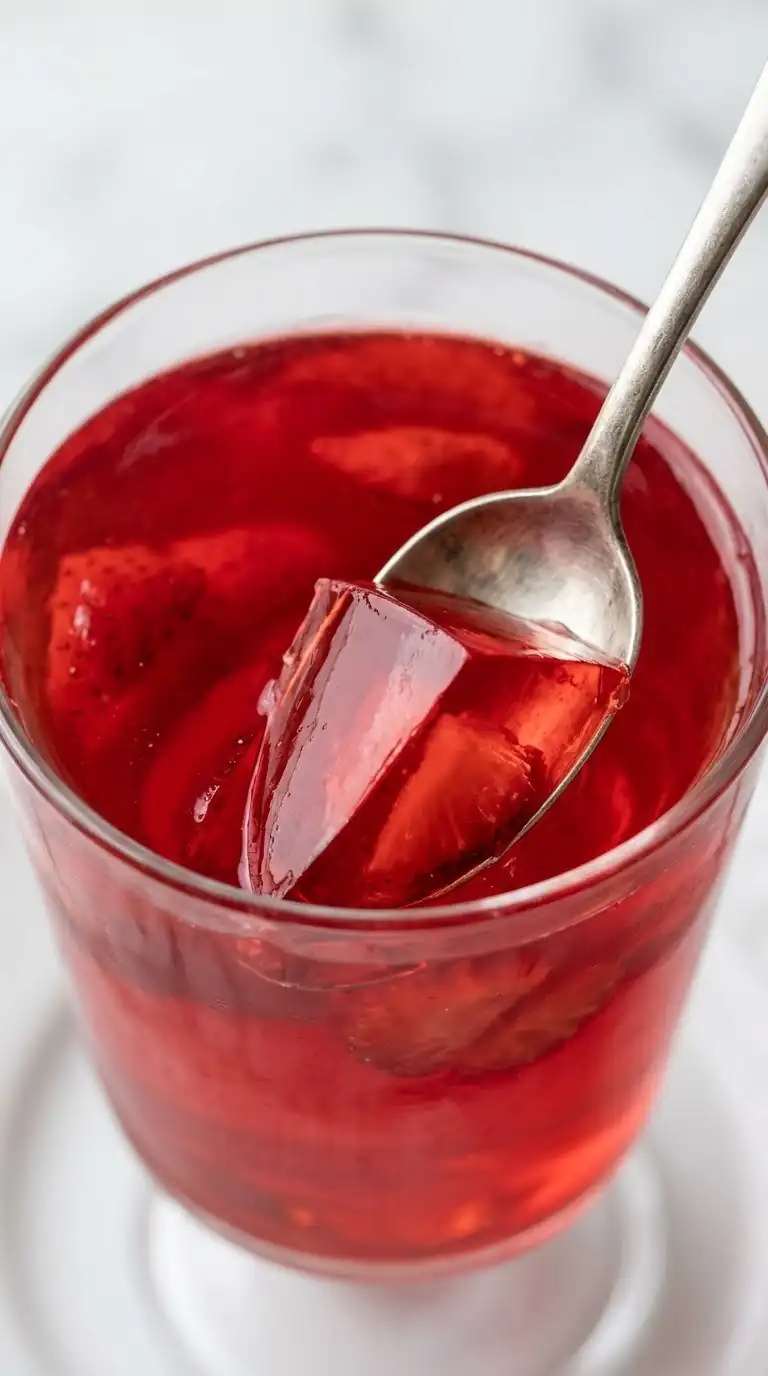
Ensuring a Perfect Foundation
The number one reason for a poor set is improper dissolving. Gelatin granules often hide in corners or stick to the bottom of the bowl. Always use boiling water and stir continuously for at least two minutes. If you see granules or grainy textures, the gelatin hasn't reached its full hydration potential. Ensuring complete dissolution is the secret to the glass-like transparency of a professional dessert.
More Gelatin Recipes to Try
- Gelatin vs agar, pectin & collagen: differences
- How to unmold jello & use gelatin molds
- Types of gelatin: beef, fish, kosher, grass-fed & more
- Sugar free jello
- Unflavored gelatin
Reader Questions Answered
Why is my jello not setting?
Your gelatin likely failed to set because the powder was not fully dissolved, the liquid ratio was too high, or you added an ingredient that interferes with the protein structure.
Why is my jello not setting in the fridge?
If the fridge is too crowded, cold air circulation is blocked, keeping the gelatin warmer than the required setting temperature of 40 degrees Fahrenheit or lower.
Will jello set with fresh pineapple?
No, fresh pineapple contains an enzyme called bromelain that breaks down protein chains, preventing the gelatin from forming a solid structure.
Can I use canned pineapple in my jello?
Yes, canned pineapple is safe because the canning process involves high heat, which neutralizes the bromelain enzymes that would otherwise stop the setting.
What is the secret to a perfect pineapple gelatin dessert?
Always use pineapple that has been heat-treated or canned, and drain the liquid thoroughly to ensure your final gelatin ratio remains perfectly balanced.
How can I fix a batch of jello that won't set?
You can dissolve additional unflavored gelatin in boiling water and slowly whisk it into your liquid mixture before chilling it again.
Final Thoughts on Consistency
Creating the perfect gelatin dessert is part science and part culinary art. By respecting the chemical limitations of ingredients like pineapple and maintaining a strict adherence to temperature guidelines, you can ensure that your molds are as firm and beautiful as they look in photos. Remember to always use canned fruits where enzymes are concerned and keep a close eye on your refrigerator temperature. With these practical strategies, you will be creating flawless, shimmering gelatin desserts with absolute confidence every single time you step into the kitchen.
Related recipes: Mastering Gelatin Substitutes for Perfect Desserts, Gelatin Ratio & Conversion Guide: Powder vs Sheets, Classic Layered Strawberry and Cream Jello Cake, Classic Vanilla Bean Panna Cotta, Classic Strawberry Jello Cups for Easy Entertaining.
Learn more: Troubleshooting on Wikipedia · food storage & safety (FoodSafety.gov).
◆ ◆ ◆
← Back to Why Your Jello Won't Set: Troubleshooting and FixesGet new recipes
One tasty homemade recipe in your inbox each week. No spam, unsubscribe anytime.


Comments